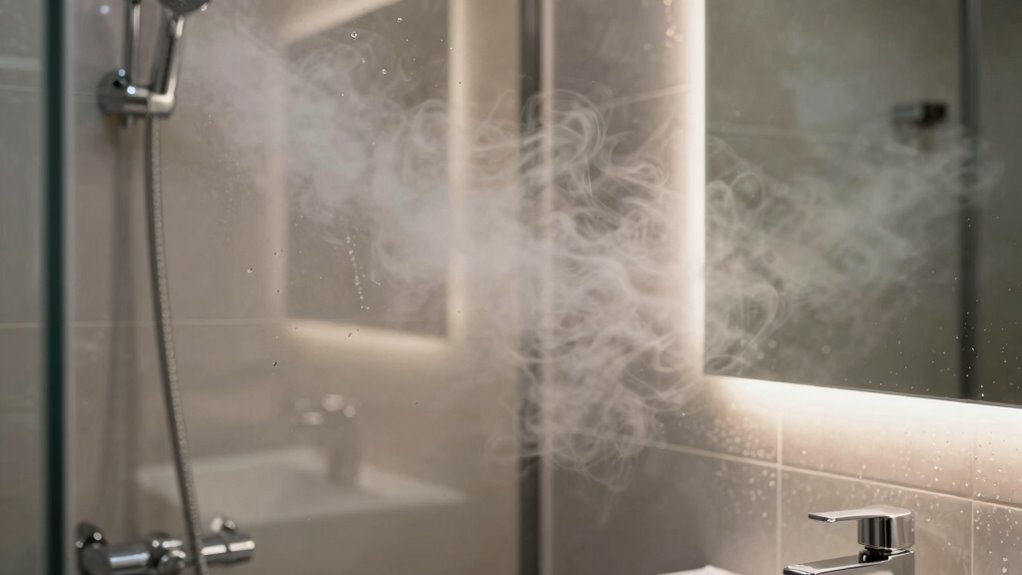

Your bathroom can affect your bedroom air more than you realize because poor ventilation traps moisture and pollutants, which then spread into nearby spaces. Steam from hot showers easily migrates into the bedroom, increasing humidity and creating a damp, uncomfortable environment. If ventilation isn’t addressed, this moisture promotes mold growth, damages your belongings, and hampers sleep quality. By understanding how these two spaces connect, you can learn simple ways to improve airflow and keep your bedroom healthier.

Get garden gear delivered free with Prime
- Fast, free delivery on millions of items
- Prime Video, Amazon Music and more included
- Member-only deals all year
Key Takeaways
- Steam from showers easily migrates into bedrooms, increasing humidity and moisture levels.
- Poor bathroom ventilation traps moisture, causing it to transfer to adjacent rooms, including bedrooms.
- Elevated humidity from bathrooms promotes mold growth and dust mites in nearby sleeping areas.
- Insufficient airflow in bathrooms allows stale, humid air to seep into bedrooms, disrupting air quality.
- Improving bathroom ventilation reduces moisture transfer, enhancing bedroom air quality and sleep comfort.
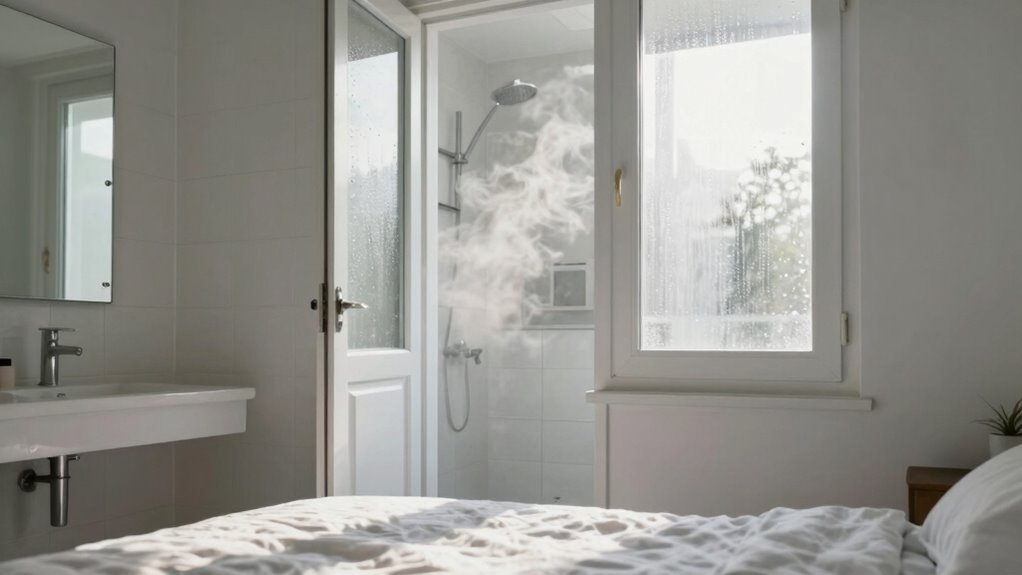
Bathrooms and bedrooms often have the least airflow in your home, which can cause indoor air quality issues. When air isn’t circulating well, pollutants and moisture can build up, impacting your comfort and health. One key factor here is ventilation efficiency. If your bathroom lacks proper exhaust fans or windows, it becomes a trap for humidity and stale air. That poor ventilation means moisture from showers and baths doesn’t escape effectively, leading to increased humidity impact inside your bedroom. This excess moisture doesn’t stay confined to the bathroom; it often migrates into adjacent rooms, especially bedrooms, where you spend a lot of your time. Improving ventilation systems can help prevent this moisture transfer and enhance overall airflow.
Poor bathroom ventilation can lead to increased humidity and indoor air quality issues affecting your bedroom.
The humidity impact is more considerable than you might realize. High humidity levels can foster mold growth and dust mites, both of which can affect your respiratory health. When you sleep in a room with elevated moisture, you might wake up feeling stuffy or congested. Additionally, excessive humidity can cause paint to peel, wood to warp, and even damage personal belongings. Because bedrooms are usually sealed for comfort and privacy, they tend to trap this moist air, making it harder for the humidity to dissipate naturally. Without adequate ventilation, these issues compound over time, creating a cycle of poor air quality.
You might not notice it at first, but the connection between bathroom air and bedroom air is stronger than it appears. When you take a hot shower, steam rises and can spread into nearby spaces if there’s insufficient airflow. This steam increases the humidity inside your bedroom, especially if your ventilation system isn’t designed to handle rapid moisture removal. Even a small amount of humidity impact can make your sleeping environment uncomfortably damp, which disrupts your sleep and can lead to health issues like allergies or asthma flare-ups. Improving ventilation efficiency in your bathroom can significantly help reduce these problems. Installing or upgrading exhaust fans, ensuring they vent outdoors properly, and opening windows when possible can help. These steps allow moisture-laden air to escape quickly, preventing humidity from lingering in your bedroom. Proper air circulation is essential for maintaining a healthy environment and avoiding moisture buildup. When you prioritize good ventilation, you’re not just removing unpleasant odors—you’re also controlling humidity impact, which leads to better air quality and a healthier sleeping environment. In the end, paying attention to how your bathroom’s airflow affects your bedroom can make a perceptible difference in your comfort and well-being.
bathroom exhaust fan with outdoor vent
As an affiliate, we earn on qualifying purchases.
As an affiliate, we earn on qualifying purchases.
Frequently Asked Questions
Can Bathroom Mold Spores Travel Into the Bedroom Air?
Yes, bathroom mold spores can travel into your bedroom air. When you use the bathroom, odors and mold spores can become airborne, especially if there’s poor ventilation. These spores can spread through the air, moving beyond the bathroom and into your bedroom, potentially affecting indoor air quality. To minimize this, keep the bathroom well-ventilated and clean regularly to prevent mold spore spread and reduce lingering odors.
What Are the Best Ventilation Options for Bathroom-To-Bedroom Air Flow?
Ever imagine your bathroom’s air sneaking into your bedroom? To prevent this, install effective ventilation systems like exhaust fans or ducted vents that direct moist air outside. Pair these with air quality sensors to monitor humidity and pollutants, ensuring *best* airflow. These options help maintain fresh air in your bedroom, reducing mold spores and odors, and keeping your indoor environment healthy and comfortable.
Do Bathroom Cleaning Products Impact Bedroom Air Quality?
Bathroom cleaning products can impact your bedroom air quality, especially if you don’t follow a consistent cleaning schedule. Many contain chemicals that release fumes, which can linger and affect indoor air. To minimize this, use air purification methods like ventilating during and after cleaning, and opt for natural or less volatile products. Regular cleaning and proper ventilation help keep your bedroom air fresh and healthy.
How Long Do Bathroom Odors Linger in Bedrooms?
Think of bathroom odors as whispers that cling to the air, lingering in your bedroom. They can stay for hours or even days, especially when bathroom humidity is high, helping odors absorb into fabrics and walls. To clear the air, ventilate thoroughly and reduce humidity, preventing odors from settling in. This way, the scent of your bathroom stays only a fleeting memory, not a persistent presence.
Are There Specific Plants That Help Improve Airflow Between Bathrooms and Bedrooms?
Yes, certain plants can help improve airflow between bathrooms and bedrooms. Plants like snake plants, peace lilies, and pothos are great choices because they thrive in indoor humidity and can filter airborne pollutants. Place them near bathroom doors or vents to maximize airflow and air quality. Proper plant placement, combined with good ventilation, can reduce odors and humidity, creating a fresher, healthier bedroom environment.
Conclusion
Remember, your bathroom isn’t just a private space; it’s a silent influencer of your bedroom’s air quality. Think of it as a hidden gateway, where unseen forces drift from one room to another, shaping your comfort and health. By paying attention to ventilation and odors, you’re fundamentally opening a window to fresher, healthier air. Keep these spaces in harmony, and you’ll find your bedroom breathes easier—like a quiet forest after a gentle rain.
Fall yard work Picks
leaf blowers
As an affiliate, we earn on qualifying purchases.