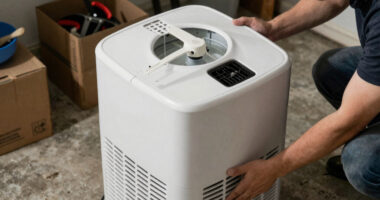
For cold climates, the Daikin Aurora 24,000 BTU is the strongest overall pick in this lineup because it is specifically identified as a low ambient heat pump. The DELLA Vario 12,000 BTU suits a smaller space, while the Upstreman two-zone system offers a way to heat two rooms with one outdoor unit. The main tradeoffs are cold-weather heating capability, capacity matched to the home, and the added complexity of multi-zone equipment. Several products list efficiency figures, but those figures alone do not show how much heat a unit can deliver in severe cold. Read on for the full comparison and guidance on matching a system to your climate and layout.

Get garden gear delivered free — and shop member deals
- Fast, free delivery on millions of items
- Access to Prime Big Deal Days deals on October 6–7
- Prime Video, Amazon Music and more included
Complete the kit


Key Takeaways
- Daikin Aurora is the clearest cold-climate choice: its listing specifically identifies low ambient heating, a distinction not stated for most of the other models.
- Capacity should follow the space: the 9,000 and 12,000 BTU DELLA options suit smaller zones, while 18,000 and 24,000 BTU models target larger heating loads.
- Two zones add coverage and complexity: Upstreman’s 12K+12K configuration can serve separate rooms, but requires planning for line routing and zone use.
- Efficiency numbers are not a cold-weather performance ranking: SEER2 describes cooling efficiency; compare low-temperature heating capacity and operating limits before choosing.
- Wi-Fi and voice controls are secondary to installation fit: several DELLA models offer connected controls, but correct sizing, placement, and cold-climate specifications matter more for dependable heat.
| DELLA Vario Series 12,000 BTU Mini Split Air Conditioner and Heat Pump |  | Best for Smaller Rooms | Cooling capacity: 12,000 BTU/h | Efficiency: 23 SEER2 | Heating efficiency: 9.5 HSPF | VIEW ON AMAZON | See Our Full Breakdown |
| Senville LETO 24,000 BTU Mini Split Air Conditioner and Heat Pump |  | Best for Larger Spaces in Milder Winters | Cooling capacity: 24,000 BTU | System type: Ductless split system | Operating modes: Cooling, heating, dehumidifying, fan | VIEW ON AMAZON | See Our Full Breakdown |
| Daikin Aurora 24,000 BTU Low Ambient Heat Pump Mini-Split Air Conditioner |  | Best for Cold-Climate Heating | Cooling capacity: 22,400 BTU (7,000–26,400 BTU) | Heating capacity: 24,000 BTU (6,200–32,000 BTU) | Heating operation: -13°F to 64.4°F | VIEW ON AMAZON | See Our Full Breakdown |
| DELLA 12,000 BTU Mini Split Air Conditioner and Heat Pump, 25 SEER2, Wi-Fi, 230V |  | Best for Small Rooms in Severe Cold | Cooling capacity: 12,000 BTU | Heating capacity: 12,000 BTU/h | Coverage: Up to 550 sq. ft. | VIEW ON AMAZON | See Our Full Breakdown |
| Upstreman 2 Zone Mini Split with Heat Pump, 12K+12K BTU, 23 SEER2, 230V |  | Best for Two-Zone Comfort | Indoor unit capacity: 12,000 BTU per unit | Total capacity: 20,000 BTU across two zones | Efficiency: 23 SEER2 | VIEW ON AMAZON | See Our Full Breakdown |
| DELLA Serena 18,000 BTU 22 SEER2 Smart Wi-Fi Mini Split Heat Pump |  | Best for Larger Rooms | Cooling capacity: 18,000 BTU/h | Efficiency: 22 SEER2 | Coverage area: Up to 1,000 sq. ft. | VIEW ON AMAZON | See Our Full Breakdown |
| TOSOT 12,000 BTU Mini Split AC Heating Pump, 19 SEER2 230V, Cosmo Series |  | Best for Cold-Weather Small Rooms | BTU capacity: 12,000 | Efficiency: 19 SEER2 in title; up to 22 SEER2 in description | Voltage: 230V | VIEW ON AMAZON | See Our Full Breakdown |
| DELLA Optima Series 9,000 BTU Mini Split Heat Pump, 24 SEER2, 230V, Wi-Fi and Alexa |  | Best Compact Cold-Climate Pick | Cooling capacity: 9,000 BTU | Coverage: Up to 400 sq. ft. | Efficiency: 24 SEER2 | VIEW ON AMAZON | See Our Full Breakdown |
| minisplit heat pumps for cold climate | Efficiency | Noise level | Voltage | Cooling capacity |
|---|---|---|---|---|
| DELLA Vario Series 12,000 BTU | 23 SEER2 | 28 dBA | 208–230V | 12,000 BTU/h |
| Senville LETO 24,000 BTU Mini | — | 34 dB | 220V | 24,000 BTU |
| Daikin Aurora 24,000 BTU Low A | 21 SEER2; 9.6 HSPF2; 12 EER2 | 34 dB | 208–230V, 1-phase, 60Hz | 22,400 BTU (7,000–26,400 BTU) |
| DELLA 12,000 BTU Mini Split Ai | 25 SEER2; 10.5 HSPF2 | 30 dB in Mute Mode | — | 12,000 BTU |
| Upstreman 2 Zone Mini Split wi | 23 SEER2 | 28 dB in mute mode | 230V | — |
| DELLA Serena 18,000 BTU 22 SEE | 22 SEER2 | 22 dBa in mute mode | 208–230V | 18,000 BTU/h |
| TOSOT 12,000 BTU Mini Split AC | 19 SEER2 in title; up to 22 SEER2 in description | 22–36 dB | 230V | — |
| DELLA Optima Series 9,000 BTU | 24 SEER2 | — | 208/230V | 9,000 BTU |
More Details on Our Top Picks
DELLA Vario Series 12,000 BTU Mini Split Air Conditioner and Heat Pump
The DELLA Vario suits a single room where quiet operation and basic cold-weather heating matter more than extreme low-temperature performance. Its 12,000 BTU capacity is sized for spaces up to 550 square feet, and its 28 dBA rating makes it a quieter pick than the larger Senville LETO, listed at 34 dB. The tradeoff shows up in winter: the Vario is rated to heat down to -4°F, while the Daikin Aurora reaches -13°F and the newer DELLA 12,000 BTU model reaches -22°F. Its 9.5 HSPF rating is also less compelling than the newer DELLA’s 10.5 HSPF2. I’d choose it for a mild-to-moderate cold climate and a modest room, but not as my first choice for prolonged subzero weather. Professional installation and refrigerant adjustment for a changed line-set length add planning requirements.
Pros:- Heating and cooling in one ductless system
- 28 dBA listed noise level suits quieter rooms
- Remote temperature sensing, sleep mode, and 24-hour timer
- Includes a 16.4-foot installation kit
Cons:- Heating operation is rated only down to -4°F, warmer than the Daikin Aurora and newer DELLA model
- Professional installation and line-set vacuuming are required
- Changing the line-set length requires refrigerant adjustment
Best for: Homeowners heating and cooling one bedroom, office, or other room up to 550 square feet in a climate with occasional rather than sustained subzero temperatures.
Not ideal for: Buyers in regions with prolonged temperatures below -4°F, or anyone seeking a multi-room system or an installation that avoids professional refrigerant work.
- Cooling capacity:12,000 BTU/h
- Efficiency:23 SEER2
- Heating efficiency:9.5 HSPF
- Coverage:Up to 550 sq. ft.
- Heating operation:Down to -4°F (-20°C)
- Noise level:28 dBA
- Voltage:208–230V
- Installation kit:16.4 ft.
Our verdict“Choose the Vario for a quiet, single-room system in a moderately cold climate, but favor the Daikin Aurora or newer DELLA for colder winters.”
Senville LETO 24,000 BTU Mini Split Air Conditioner and Heat Pump
The Senville LETO brings 24,000 BTU capacity and four operating modes to buyers who need to condition a larger area than the 12,000 BTU DELLA Vario is designed for. App and Alexa control add convenience, while the included 16-foot line set and charge for up to 25 feet give an installer some flexibility. Its cold-climate fit is limited, though: the listed heating range reaches 5°F, warmer than the Daikin Aurora’s -13°F or the newer DELLA’s -22°F. That makes this a better match for a spacious, well-insulated area in a milder winter region than for primary heat in a cold climate. The 34 dB noise rating is also higher than the smaller DELLA models, and its five-year parts and compressor warranty excludes labor.
Pros:- 24,000 BTU capacity for larger spaces
- Cooling, heating, dehumidifying, and fan modes
- App and Alexa control alongside a remote
- Includes a 16-foot line set and charge for up to 25 feet
Cons:- Heating operation is rated down to only 5°F, limiting use in cold climates
- 34 dB listed noise level is higher than the DELLA Vario and newer DELLA
- Five-year parts and compressor warranty does not cover labor
Best for: Owners of a larger, open living area in a region where winter temperatures generally stay above 5°F who want app or Alexa control.
Not ideal for: Buyers relying on a mini split for heat during freezing or subzero spells, or those seeking quieter operation or warranty coverage for labor.
- Cooling capacity:24,000 BTU
- System type:Ductless split system
- Operating modes:Cooling, heating, dehumidifying, fan
- Heating operation:Down to 5°F (-15°C)
- Refrigerant:R-454B
- Voltage:220V
- Noise level:34 dB
- Warranty:5 years on parts and compressor; labor not included
Our verdict“Pick the LETO for a larger space and smart controls in a mild-winter region, but choose the Daikin Aurora or newer DELLA for colder-weather heating.”
Daikin Aurora 24,000 BTU Low Ambient Heat Pump Mini-Split Air Conditioner
The Daikin Aurora is the clearest fit here for buyers who need a higher-capacity system designed to keep heating through colder weather. Its listed heating range extends to -13°F, giving it more cold-weather reach than the Senville LETO, which is rated down to 5°F, and the DELLA Vario, rated to -4°F. The Aurora also offers a variable heating capacity from 6,200 to 32,000 BTU, which can help it adapt to changing loads rather than relying on one fixed output. Built-in Wi-Fi, an air-purifying filter, and a 12-year manufacturer warranty with certified installation round out the package. The newer DELLA reaches a lower stated temperature of -22°F, so I’d compare that option for harsher winters. This is still a split-system installation, and its 34 dB noise rating is not the quietest in this group.
Pros:- Heating operation rated down to -13°F
- Variable heating capacity from 6,200 to 32,000 BTU
- Built-in Wi-Fi and titanium apatite air-purifying filter
- 12-year manufacturer warranty with certified installation
Cons:- The newer DELLA model is rated to operate in heating mode at a lower temperature
- Requires split-system installation and a new outdoor unit
- 34 dB listed noise level is higher than the quietest options in this lineup
Best for: Homeowners who need a 24,000 BTU class system for a ductless space and expect winter temperatures to fall well below freezing.
Not ideal for: Buyers in areas that regularly drop below -13°F, those conditioning only a small room, or anyone unable to arrange certified split-system installation.
- Cooling capacity:22,400 BTU (7,000–26,400 BTU)
- Heating capacity:24,000 BTU (6,200–32,000 BTU)
- Heating operation:-13°F to 64.4°F
- Efficiency:21 SEER2; 9.6 HSPF2; 12 EER2
- Refrigerant:R-32
- Voltage:208–230V, 1-phase, 60Hz
- Noise level:34 dB
- Warranty:12 years
Our verdict“Choose the Aurora for a larger ductless area and substantial cold-weather heating range, unless your winters routinely fall below its -13°F operating limit.”
DELLA 12,000 BTU Mini Split Air Conditioner and Heat Pump, 25 SEER2, Wi-Fi, 230V
For a room-sized system with the lowest stated heating limit in this batch, the newer DELLA 12,000 BTU stands apart: its listed heating operation reaches -22°F, below the Daikin Aurora’s -13°F and the Vario’s -4°F. That range makes it the strongest match here for a small, well-insulated space in a severe winter climate. It also pairs 25 SEER2 and 10.5 HSPF2 with app, voice, and remote control, plus soft indirect airflow for day-to-day comfort. Capacity is the constraint: at up to 550 square feet, it cannot serve the larger areas targeted by the 24,000 BTU Aurora or Senville LETO. Installation calls for vacuuming and a 20A fuse, so the included pre-flared line set does not make this a plug-in project. I’d favor it over the Vario when low-temperature heating is the priority.
Pros:- Heating operation rated down to -22°F
- 25 SEER2 and 10.5 HSPF2 efficiency ratings
- App, voice, and remote controls
- Soft indirect airflow and 30 dB Mute Mode
Cons:- Capacity is limited to spaces up to 550 square feet
- Installation requires vacuuming and a 20A fuse
- Lower capacity than the 24,000 BTU Daikin Aurora and Senville LETO
Best for: Homeowners heating one room or compact open area up to 550 square feet in a region with severe winter cold who can arrange split-system installation.
Not ideal for: Buyers needing heat for a large open plan or multiple rooms, or those seeking an installation without electrical and refrigerant work.
- Cooling capacity:12,000 BTU
- Heating capacity:12,000 BTU/h
- Coverage:Up to 550 sq. ft.
- Efficiency:25 SEER2; 10.5 HSPF2
- Heating operation:Down to -22°F
- Noise level:30 dB in Mute Mode
- Voltage and fuse:230V; 20A fuse
- Line set:16.4 ft. pre-flared copper lines
Our verdict“Choose this DELLA for low-temperature heating in a single compact space, and choose a 24,000 BTU system if you need to serve a larger area.”
Upstreman 2 Zone Mini Split with Heat Pump, 12K+12K BTU, 23 SEER2, 230V
The Upstreman two-zone system is the only option in this batch built to give two rooms separate temperature and fan settings, which can be more useful than a single powerful head when bedrooms or work spaces have different needs. Its stated total capacity is 20,000 BTU across two 12,000 BTU indoor units, so the two zones share capacity rather than each delivering 12,000 BTU at once. That distinction matters beside the 24,000 BTU Daikin Aurora, which is a stronger single-area option. The Upstreman lists 23 SEER2, Wi-Fi control, washable filters, and 28 dB mute operation, but the supplied data gives no minimum heating temperature. I would not choose it as my sole cold-climate heat source without confirming its low-ambient performance. Its 18-month warranty is shorter than the Senville and Daikin warranties.
Pros:- Two indoor units provide separate room controls
- 23 SEER2 efficiency rating
- Wi-Fi app and remote control
- Washable mesh filters and self-cleaning function
Cons:- The supplied specifications do not state a minimum heating temperature
- 20,000 BTU total capacity is shared across two indoor units
- 18-month limited warranty is shorter than the Senville and Daikin warranties
Best for: Owners who want independent temperature control in two nearby rooms and can verify the system’s heating performance for their local winter lows.
Not ideal for: Buyers who need documented subzero heating performance, a longer warranty, or full 24,000 BTU output in one room.
- Indoor unit capacity:12,000 BTU per unit
- Total capacity:20,000 BTU across two zones
- Efficiency:23 SEER2
- Voltage:230V
- Refrigerant:R-32
- Noise level:28 dB in mute mode
- Controls:App and remote control
- Warranty:18-month limited warranty
Our verdict“Choose Upstreman for independent control of two rooms only after confirming its low-temperature heating range for your climate.”
DELLA Serena 18,000 BTU 22 SEER2 Smart Wi-Fi Mini Split Heat Pump
The DELLA Serena suits buyers heating or cooling a larger open room, with 18,000 BTU capacity listed for spaces up to 1,000 square feet. Its stated heating limit is 5°F, so it is a better fit for climates with milder winter lows than the TOSOT Cosmo, which is listed to heat down to -13°F. The Serena adds app, Alexa, and Google Home controls, plus a quiet 22 dBa mute mode; those conveniences matter when the unit serves a frequently used living area. The tradeoff is its cold-weather ceiling: buyers facing prolonged subzero conditions should favor a model with a lower stated heating limit. Professional installation is required, and changing the included line-set length calls for refrigerant adjustment.
Pros:- 18,000 BTU capacity is suited to spaces listed up to 1,000 square feet
- 22 SEER2 efficiency rating
- App, Alexa, and Google Home controls
- 22 dBa mute mode and reusable filters
Cons:- Heating operation is listed only down to 5°F, limiting its fit for harsher winters
- Professional installation and line-set vacuuming are required
- Changing line-set length requires refrigerant adjustment
Best for: Owners of larger living rooms or open-plan spaces in regions where winter temperatures generally stay above 5°F
Not ideal for: Households in areas with frequent temperatures below 5°F, since its stated heating range does not extend as low as the TOSOT Cosmo or DELLA Optima
- Cooling capacity:18,000 BTU/h
- Efficiency:22 SEER2
- Coverage area:Up to 1,000 sq. ft.
- Heating operation:Down to 5°F (-15°C)
- Voltage:208–230V
- Refrigerant:R-32
- Noise level:22 dBa in mute mode
- Installation kit:16.4 ft line set
Our verdict“Choose the Serena for a larger room and smart controls if your winter lows usually remain above 5°F.”
TOSOT 12,000 BTU Mini Split AC Heating Pump, 19 SEER2 230V, Cosmo Series
For a bedroom, office, or other modest space in a colder region, the TOSOT Cosmo has a useful advantage over the larger DELLA Serena: its stated heating range reaches -13°F. That lower limit makes it the stronger cold-climate candidate of those two, while its 12,000 BTU capacity is more appropriate for a smaller zone than the Serena’s 18,000 BTU unit. The Cosmo also offers Gree+ app control, voice-command support, and operation listed at 22–36 dB. Its product description gives an efficiency rating of up to 22 SEER2, while the title specifies 19 SEER2, so buyers should confirm the rating for the exact configuration. Package shipments may arrive separately, and the provided data does not specify coverage area or installation requirements.
Pros:- Stated heating operation down to -13°F
- 12,000 BTU capacity for a smaller heating and cooling zone
- Gree+ app and voice-assistant controls
- Listed noise range of 22–36 dB
Cons:- Efficiency is inconsistent across the provided product data: title says 19 SEER2 and description says up to 22
- Packages may arrive at different times
- Coverage area and installation requirements are not specified in the provided data
Best for: Homeowners seeking a 12,000 BTU zone for a bedroom or office where winter temperatures can fall well below zero
Not ideal for: Buyers who need a clearly stated room-coverage figure or want confirmed installation details before choosing a system
- BTU capacity:12,000
- Efficiency:19 SEER2 in title; up to 22 SEER2 in description
- Voltage:230V
- Heating temperature range:Down to -13°F
- Cooling temperature range:Up to 122°F
- Noise level:22–36 dB
- Controls:Gree+ app and voice-command support
Our verdict“Pick the Cosmo for a smaller room that needs a lower stated heating limit than the DELLA Serena offers.”
DELLA Optima Series 9,000 BTU Mini Split Heat Pump, 24 SEER2, 230V, Wi-Fi and Alexa
The DELLA Optima is the compact choice here for a room listed up to 400 square feet, with a stated heating range down to -13°F. That gives it a lower listed heating limit than the larger DELLA Serena, while its 9,000 BTU capacity better matches a small bedroom or enclosed office. Its 24 SEER2 rating, Wi-Fi app control, Alexa support, and washable filters round out a practical feature set for a dedicated zone. The smaller capacity is also the main constraint: it is not a substitute for the Serena when one unit must serve a broad open area. Installation requires a professional and line-set vacuuming, so buyers should account for that setup requirement. The provided data lists a 16.4-foot line set, which may limit placement flexibility.
Pros:- 9,000 BTU capacity for spaces listed up to 400 square feet
- Heating operation down to -13°F
- 24 SEER2 rating
- Wi-Fi, Alexa, washable filters, and a 16.4-foot line set
Cons:- Smaller capacity is not suited to the Serena’s larger-room use case
- Professional installation and line-set vacuuming are required
- The included 16.4-foot line set can constrain equipment placement
Best for: Owners of small bedrooms, studios, or enclosed offices who need heat pump operation down to -13°F
Not ideal for: Buyers heating a large open-plan area or needing a longer line set for their installation layout
- Cooling capacity:9,000 BTU
- Coverage:Up to 400 sq. ft.
- Efficiency:24 SEER2
- Heating efficiency:10 HSPF2
- Operating temperature:Down to -13°F (-25°C)
- Voltage:208/230V
- Line set length:16.4 ft.
- Certifications:Energy Star, ETL listed, AHRI certified
Our verdict“Choose the Optima for a small room in a cold region when its 9,000 BTU capacity and included line-set length fit the installation.”

How We Picked
I ranked these models by how directly their stated features address heating in cold weather, then considered capacity, zone flexibility, efficiency information, and controls. The Daikin Aurora leads because it is the only listed model explicitly described as a low ambient heat pump. That label makes it the clearest starting point for buyers who expect sustained freezing conditions, though buyers still need to check its operating limits and heating output at local design temperatures.
Other products earn their places through a better fit for particular homes: the Upstreman serves two zones, while DELLA’s range spans compact 9,000 BTU equipment through larger capacities and connected controls. I treated SEER2 figures as useful cooling-efficiency information, not proof of winter heating strength. The supplied product details do not provide comparable low-temperature capacity charts, minimum operating temperatures, or full installation requirements, so I avoid claiming that a model will maintain a particular output in a specific climate.
| minisplit heat pumps for cold climate | Heating operation | Refrigerant |
|---|---|---|
| DELLA Vario Series 12,000 BTU | Down to -4°F (-20°C) | — |
| Senville LETO 24,000 BTU Mini | Down to 5°F (-15°C) | R-454B |
| Daikin Aurora 24,000 BTU Low A | -13°F to 64.4°F | R-32 |
| DELLA 12,000 BTU Mini Split Ai | Down to -22°F | — |
| Upstreman 2 Zone Mini Split wi | — | R-32 |
| DELLA Serena 18,000 BTU 22 SEE | Down to 5°F (-15°C) | R-32 |
| TOSOT 12,000 BTU Mini Split AC | — | — |
| DELLA Optima Series 9,000 BTU | — | — |
Factors to Consider When Choosing Minisplit Heat Pumps For Cold Climates
Choosing a mini split for a cold region takes more than comparing capacity labels or efficiency figures. I would start with the home’s heating load and local winter conditions, then check the manufacturer’s cold-weather performance data and installation requirements. These broader checks can prevent a system that looks suitable on paper from falling short when temperatures drop.
Match Capacity to a Heat-Loss Calculation
BTU ratings describe nominal capacity, but they do not tell you whether a unit can cover your home’s heating load on the coldest days. Ask an HVAC professional for a room-by-room load calculation that accounts for insulation, windows, air leakage, ceiling height, and local winter design temperature. A unit chosen by square footage alone may be too small during cold snaps or oversized for mild days. Oversizing can lead to less comfortable cycling and poorer humidity control during cooling season. Compare the calculated load with the model’s heating output at low outdoor temperatures, not just its headline capacity. This step matters especially when comparing a 9,000 BTU unit with the 18,000 or 24,000 BTU options in this roundup.
Check Heating Output at Your Winter Temperatures
A low ambient label is a useful clue, but it does not replace the manufacturer’s performance tables. Look for the minimum operating temperature and heating capacity at temperatures relevant to your location, including the capacity the system retains as outdoor air gets colder. Some equipment can keep running while delivering less heat than the home needs. Ask whether the published figures account for defrost cycles, which temporarily affect heat delivery as frost is cleared from the outdoor coil. If your area has severe or extended cold, compare these figures with your calculated heat loss and plan for any supplemental heat the design requires. The listing detail for Daikin Aurora makes it a strong candidate to investigate first, but the same verification applies before purchase.
Decide Whether One Zone or Several Makes Sense
A single-zone system is often easier to plan when one room or an open area needs heating. A multi-zone system can serve separate rooms from one outdoor unit, as with the Upstreman 12K+12K, but each indoor head needs a sensible location and a route for refrigerant lines and condensate drainage. Zones do not automatically heat evenly: closed doors, distant rooms, and different sun exposure can change how much comfort each head provides. Ask whether the outdoor unit can deliver enough combined heat when several zones call at once, especially in cold weather. Multi-zone equipment may also limit future changes if one room’s needs shift. Choose it for a layout that benefits from room-by-room control, not simply to avoid thinking through placement.
Compare Winter Efficiency and Backup Heat Needs
SEER2 figures describe seasonal cooling efficiency, so they should not be used by themselves to rank winter heating performance. For heating, look for HSPF2 or equivalent seasonal data alongside low-temperature capacity and operating limits. A high seasonal figure can help describe efficiency across a range of conditions, but your climate and electricity rates affect real running costs. In a cold region, a modest amount of backup heat may be sensible for unusually cold weather, outages, or maintenance periods. Compare the cost and practicality of that backup with the extra capability of equipment designed for low ambient operation. Avoid assuming that a model’s efficiency label guarantees low bills under every winter condition.
Plan for Installation, Drainage, and Service
Even a suitable heat pump depends on correct installation, including refrigerant-line length, electrical supply, indoor head placement, and outdoor-unit clearance. In winter, the outdoor unit needs room for airflow and for meltwater from defrost cycles to drain without freezing into a blockage. Snow depth and drifting can bury a unit or restrict airflow, so the mounting height and location deserve attention before installation. Confirm who will handle commissioning and future service, since specialized equipment may need a qualified technician. Check the warranty terms and whether they depend on professional installation or registration. These practical details can matter as much to winter reliability as the model name on the equipment.
Treat Smart Controls as a Convenience
Wi-Fi, Alexa compatibility, and app scheduling can make daily adjustments easier, but they do not increase a heat pump’s low-temperature capacity. Before paying extra for connected features, check that the controls support the schedules and temperature settings you will actually use. Consider whether the system remains usable through its handheld remote if your home network is down. For multiple indoor heads, confirm whether each zone can be controlled independently and whether the app handles those zones clearly. A beginner may value simple scheduling, while a technically minded owner may prefer more detailed control. In either case, place cold-weather performance and proper sizing ahead of smart features.
Frequently Asked Questions
Can I use a mini split as my only heat source in a cold climate?
That depends on the heat pump’s low-temperature output and your home’s heat loss, not just its advertised BTU rating. Compare manufacturer capacity data at your area’s winter design temperature with a professional load calculation. Also consider how often temperatures fall below the unit’s operating range and what backup heat would cover those periods. The Daikin Aurora is the clearest candidate in this group to investigate because it is identified as a low ambient model. Do not assume the listing alone confirms it can serve as your sole heat source.
Is a 24,000 BTU model automatically better for a larger or colder home?
No. A larger capacity can help where the calculated heating load calls for it, but a headline rating does not show how much output remains in severe cold. Homes with similar floor areas can have different heat losses due to insulation, air leakage, windows, and layout. Ask for a load calculation and compare low-temperature capacity before settling on a model. If the equipment is oversized for the actual load, comfort and cooling-season operation may suffer.
Should I choose a two-zone system instead of installing separate single-zone units?
A two-zone system can be a good fit when two rooms need independent temperature control and the outdoor unit can meet their combined heating demand. Separate single-zone systems may offer more flexibility if rooms have very different loads or if one zone is likely to be used much more than the other. Compare installation routes, service access, and low-temperature capacity when multiple zones call for heat together. The Upstreman’s 12K+12K configuration is worth examining for two-room layouts, but the room arrangement and manufacturer data should drive the decision. Get an installer to confirm that the chosen arrangement can distribute heat as intended.
What cold-weather specifications should I ask an installer to show me?
Ask for the minimum outdoor operating temperature and heating capacity at several low outdoor temperatures, especially your local winter design point. Request the product’s performance tables and check whether they describe delivered heat during defrost operation. Compare those figures with the home’s calculated heat loss rather than relying on a model’s nominal BTU capacity. Also confirm outdoor-unit placement, snow clearance, condensate drainage, and any required backup heat. These details make it possible to judge the system against the conditions it will actually face.
Do SEER2 and Wi-Fi features tell me how well a mini split heats during winter?
SEER2 is a cooling-efficiency measure, so it does not establish how much heat a unit can deliver in freezing weather. Wi-Fi and voice controls affect convenience and scheduling, not the heat pump’s operating range. For winter selection, prioritize low-temperature heating capacity, operating limits, and heating efficiency data such as HSPF2 where available. Connected controls can still be useful if you want remote adjustments or schedules, but they belong later in the comparison. The models in this roundup vary in listed smart features, while comparable cold-weather performance data is not provided for most of them.
Conclusion
Best overall: Daikin Aurora 24,000 BTU, the clearest fit for cold-weather buyers because its listing specifically identifies low ambient heating. Best for two-room coverage: Upstreman 12K+12K, provided its combined output and layout suit your load. For smaller spaces, compare DELLA Optima 9,000 BTU with the 12,000 BTU DELLA options after sizing the room; the listed details do not establish a best-value winner by price, so value depends on fit and installation. Best for connected controls: DELLA Serena 18,000 BTU for buyers who want smart Wi-Fi features, while best for beginners is a properly sized single-zone system selected with an installer’s help. For any specific need, verify low-temperature output and operating limits before choosing: the supplied product information does not support a confident premium pick or a definitive winter-performance ranking beyond the Aurora’s low ambient designation.
Fall yard work Picks
leaf blowers
As an affiliate, we earn on qualifying purchases.