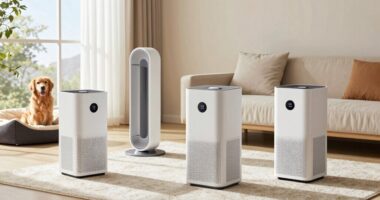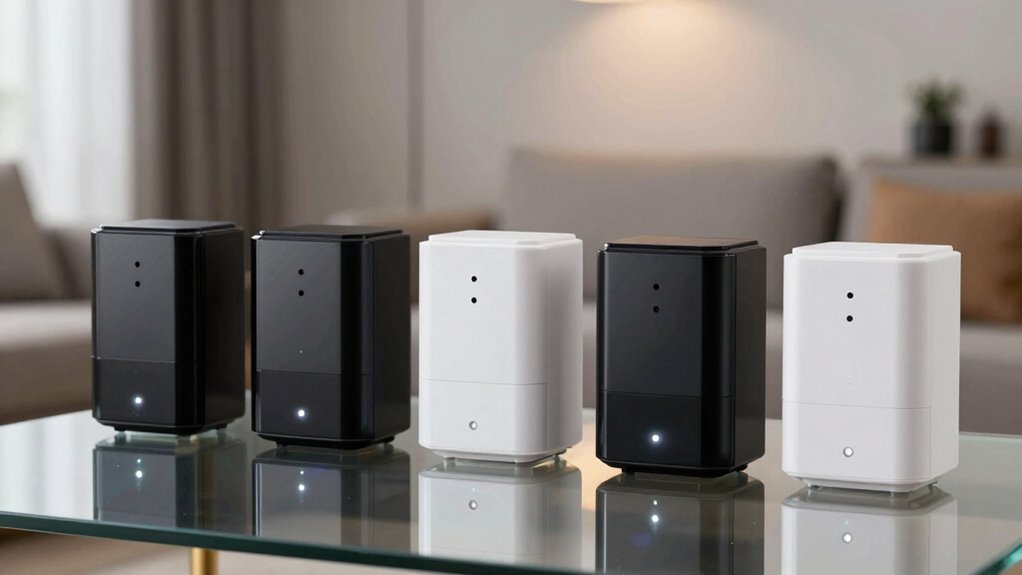

Choosing the right PM sensor for home automation in 2026 means balancing accuracy, smart home compatibility, ease of use, and integration options. The GoveeLife Smart Air Quality Monitor stands out for its high accuracy and fast refresh rate, making it perfect for those who want real-time data and integration with Govee smart devices. Meanwhile, the SONOFF SAWF-07P offers broad ecosystem support with Matter compatibility, ideal for users seeking seamless smart home integration. For those prioritizing comprehensive air quality insights, the AprilAire ZAWTHCPV provides a 5-in-1 measurement system, though it requires additional AprilAire products for full functionality. Each of these choices involves tradeoffs: wired power vs. portability, simplicity vs. customization, and broad feature sets vs. niche integrations. This guide breaks down these options to help you find the best fit for your home automation setup.

Get garden gear delivered free with Prime
- Fast, free delivery on millions of items
- Prime Video, Amazon Music and more included
- Member-only deals all year
Complete the kit


Key Takeaways
- High accuracy and fast refresh rates are vital for real-time indoor air quality monitoring.
- Ecosystem compatibility (like Matter or Alexa) greatly simplifies integration with existing smart home systems.
- Additional features like VOC, CO2, and humidity monitoring enhance overall air quality management.
- Wired power sources can limit placement flexibility, but often provide more stable operation.
- Choosing between standalone displays and app-based monitors depends on whether you prefer immediate visual feedback or detailed data analysis.
| GoveeLife Smart Air Quality Monitor with PM2.5, Temperature & Humidity, LED Display, Wired, Indoor Use |  | Best Overall for Accuracy and Integration | PM2.5 accuracy: ±15 µg/m³ | Temperature accuracy: ±0.54°F | Humidity accuracy: ±3%RH | VIEW ON AMAZON | See Our Full Breakdown |
| SONOFF SAWF-07P Smart Indoor Air Quality Monitor with PM2.5, PM10, Temperature & Humidity Sensor, 3.73-inch Display, WiFi, Matter Compatibility |  | Best for Ecosystem Compatibility and Flexibility | PM2.5 accuracy: ±10μg/m³ (0-100μg/m³), ±10% (100-500μg/m³) | Temperature accuracy: ±1°F | Humidity accuracy: ±3%RH | VIEW ON AMAZON | See Our Full Breakdown |
| AprilAire ZAWTHCPV Smart Indoor 5-in-1 Wi-Fi Air Quality Monitor |  | Best for Comprehensive Air Quality Monitoring | Measurements: PM2.5, VOC, CO2, humidity, temperature | Connectivity: Wi-Fi | App: AprilAire Healthy Air App | VIEW ON AMAZON | See Our Full Breakdown |
| Breathe Airmonitor Plus Indoor Air Quality Monitor with CO₂, PM, and App |  | Best for Professional-Grade Monitoring | Sensors: NDIR for CO₂, particle sensors for PM1, PM2.5, PM10, TVOC, Formaldehyde | Connectivity: Wi-Fi via Breathe Tech app | Features: Real-time alerts, 30-day history, CSV export | VIEW ON AMAZON | See Our Full Breakdown |
| Amazon Smart Air Quality Monitor |  | Best for Alexa Ecosystem Users | Key factors monitored: PM2.5, VOCs, CO, humidity, temperature | Connectivity: Works with Alexa | Setup: Plug in and connect via Alexa app | VIEW ON AMAZON | See Our Full Breakdown |
| pm sensor for home automation | Connectivity |
|---|---|
| GoveeLife Smart Air Quality Mo | 2.4G Wi-Fi |
| SONOFF SAWF-07P Smart Indoor A | 2.4GHz WiFi |
| AprilAire ZAWTHCPV Smart Indoo | Wi-Fi |
| Breathe Airmonitor Plus Indoor | Wi-Fi via Breathe Tech app |
| Amazon Smart Air Quality Monit | Works with Alexa |
More Details on Our Top Picks
GoveeLife Smart Air Quality Monitor with PM2.5, Temperature & Humidity, LED Display, Wired, Indoor Use
This device excels in providing high-precision PM2.5 readings with a rapid 2-second refresh rate, making it ideal for real-time indoor air monitoring. Its wired power source ensures steady operation, though it limits placement flexibility. The switchable LED display offers immediate visual feedback, and integration with Govee’s smart home ecosystem allows for automated responses based on air quality data. Compared with others, it’s more accurate and responsive but requires a constant power connection, which might be inconvenient for some users. Its focus on indoor, wired operation makes it less portable but highly reliable for fixed placements in dedicated spaces.
Pros:- High accuracy and fast data refresh
- Seamless integration with Govee smart devices
- Remote monitoring and data export options
- Switchable display modes for convenience
Cons:- Requires wired power, limiting placement options
- Wi-Fi needed for full features
- Indoor only
Best for: Users seeking high accuracy and reliable real-time data with smart home integration.
Not ideal for: Homeowners looking for a portable, battery-operated monitor or those who prefer standalone displays.
- PM2.5 accuracy:±15 µg/m³
- Temperature accuracy:±0.54°F
- Humidity accuracy:±3%RH
- Refresh rate:2 seconds
- Display:LED with clock & PM2.5
- Connectivity:2.4G Wi-Fi
Our verdict“A top choice for accuracy-focused users who want integrated smart home control in fixed locations.”
SONOFF SAWF-07P Smart Indoor Air Quality Monitor with PM2.5, PM10, Temperature & Humidity Sensor, 3.73-inch Display, WiFi, Matter Compatibility
The SONOFF SAWF-07P combines high-accuracy measurements with broad smart home compatibility, supporting Matter, Apple Home, Alexa, Google, and SmartThings. Its sizable 3.73-inch display makes real-time data accessible at a glance, while its seamless ecosystem integration simplifies automation. Compared to the Govee device, it offers a more versatile smart home interface but involves a steeper setup process, especially for non-technical users. Its support for Matter ensures future-proof compatibility, making it an excellent pick for those invested in a diverse ecosystem. However, continuous power is necessary, and its advanced features may overwhelm beginners.
Pros:- Supports Matter, Apple Home, Alexa, Google, SmartThings
- High accuracy and fast response
- Large, clear display
- Customizable notifications
Cons:- Requires continuous power supply
- Potential complexity for setup
- Indoor use only
Best for: Homeowners seeking flexible, ecosystem-agnostic smart home integration with accurate air quality data.
Not ideal for: Users who want a simple, plug-and-play device or prefer standalone monitors without extensive setup.
- PM2.5 accuracy:±10μg/m³ (0-100μg/m³), ±10% (100-500μg/m³)
- Temperature accuracy:±1°F
- Humidity accuracy:±3%RH
- Display size:3.73 inches
- Connectivity:2.4GHz WiFi
- Compatibility:Matter, Apple Home, Alexa, Google
Our verdict“Ideal for tech-savvy users who want broad ecosystem support and accurate data in a flexible setup.”
AprilAire ZAWTHCPV Smart Indoor 5-in-1 Wi-Fi Air Quality Monitor
This monitor offers a broad spectrum of measurements, including PM2.5, VOCs, CO2, humidity, and temperature, making it ideal for users who want a complete picture of indoor air health. Its integration with the AprilAire app enables real-time alerts and actionable insights, especially useful when used with compatible filtration and ventilation systems. Compared to single-parameter monitors, it provides more detailed data but depends heavily on the AprilAire platform and additional products for full functionality. It’s best suited for homes where comprehensive air management is a priority and users are comfortable with app-based controls.
Pros:- Provides 5-in-1 air quality data
- Real-time alerts and insights via app
- Supports integration with AprilAire filtration and ventilation
- Clear color indicators
Cons:- Requires AprilAire app for full use
- Additional products needed for full system integration
- No standalone display
Best for: Homeowners seeking detailed, multi-parameter indoor air quality data with system integration.
Not ideal for: Those wanting a simple, standalone device or a device with a dedicated display.
- Measurements:PM2.5, VOC, CO2, humidity, temperature
- Connectivity:Wi-Fi
- App:AprilAire Healthy Air App
- Light options:Default, always on, always off
- Integration:Works with AprilAire systems
Our verdict“Best suited for users aiming for a comprehensive indoor air quality overview with system integration, at the cost of additional equipment.”
Breathe Airmonitor Plus Indoor Air Quality Monitor with CO₂, PM, and App
The Breathe Airmonitor Plus offers a professional-grade approach, tracking CO₂, PM1, PM2.5, PM10, VOCs, formaldehyde, humidity, and temperature. Its advanced NDIR sensors and smart app provide detailed real-time data, alerts, and historical trends, making it suitable for serious indoor air health management. Compared with consumer-focused monitors, it offers a richer parameter set and calibration features, though it comes at a higher price and complexity. This device is well-suited for environments like offices or homes with heightened air quality concerns, but it may be overkill for casual users.
Pros:- Accurately monitors multiple parameters including CO₂ and VOCs
- Provides detailed historical data and alerts
- Easy calibration and setup
- Compact and modern design
Cons:- Requires smartphone app for full functionality
- More expensive than basic monitors
- Indoor use only
Best for: Users needing detailed, professional-level air quality data with calibration and historical tracking.
Not ideal for: Casual users seeking simple, plug-and-play solutions or those on a tight budget.
- Sensors:NDIR for CO₂, particle sensors for PM1, PM2.5, PM10, TVOC, Formaldehyde
- Connectivity:Wi-Fi via Breathe Tech app
- Features:Real-time alerts, 30-day history, CSV export
- Design:Compact, modern
- Calibration:Easy to perform
Our verdict“A strong choice for those requiring in-depth air quality data and professional monitoring features.”
Amazon Smart Air Quality Monitor
This monitor offers a straightforward way to keep an eye on key air quality factors like PM2.5, VOCs, CO, humidity, and temperature. Its simple setup with Alexa routines allows for easy automation, making it a good choice for those deeply integrated into the Alexa ecosystem. While it provides real-time alerts and automation options, it lacks standalone display or detailed historical data, which limits its use for those wanting in-depth analysis. Its focus on Alexa makes it convenient but less versatile outside that ecosystem, especially for users seeking broader compatibility or more detailed reporting.
Pros:- Easy setup, works seamlessly with Alexa
- Supports multiple indoor air quality parameters
- Provides real-time alerts and routines automation
Cons:- Limited to indoor air quality monitoring
- No standalone display or detailed history
- Requires Alexa-compatible devices
Best for: Alexa-enthusiasts who want easy setup and basic automation for indoor air quality.
Not ideal for: Users seeking extensive data logs or multi-parameter monitoring outside the Alexa ecosystem.
- Key factors monitored:PM2.5, VOCs, CO, humidity, temperature
- Connectivity:Works with Alexa
- Setup:Plug in and connect via Alexa app
- Smart features:Real-time alerts, routines
Our verdict“A practical choice for Alexa users wanting simple, automated air quality management without extra complexity.”

How We Picked
My selection process focused on accuracy, smart home compatibility, ease of use, and versatility. I prioritized products that are widely compatible with popular home automation systems like Alexa, Google Home, and Matter, ensuring seamless integration. I also looked for high sensor accuracy, fast response times, and features that support proactive air quality management. Cost, ease of installation, and additional functionalities such as data export or alerts shaped my choices. I aimed to include options for different user needs—from beginners to tech-savvy homeowners—while ensuring each product offers a meaningful tradeoff in terms of features versus complexity or price.
Factors to Consider When Choosing Pm Sensor For Home Automation
Choosing the right PM sensor for home automation hinges on understanding your specific needs—whether you prioritize accuracy, ecosystem compatibility, or comprehensive data. Factors like sensor precision, integration options, display features, and power sources can significantly influence your experience. This guide highlights key considerations to help you match a device with your home setup and air quality goals.Sensor Accuracy and Response Time
Accurate, real-time data is essential for effective indoor air quality management. Sensors with high precision and fast refresh rates enable you to react promptly to changes, especially in environments with variable air quality. When comparing options, look for models with proven accuracy and quick response times, which often come at a higher price but provide reliable insights.
Smart Home Ecosystem Compatibility
Integration with your existing smart home system is key for automation. Devices supporting popular platforms like Alexa, Google Home, or Matter can be automated to trigger ventilation or alerts automatically. Consider whether you want a device that works with your current ecosystem or one that offers broader compatibility for future expansion.
Display and Data Access
Some monitors feature standalone displays for instant visual feedback, while others rely solely on mobile apps. Think about how you prefer to access data—do you want a quick glance at a device’s screen or detailed historical insights in an app? Your choice influences where you place the device and how you interact with it daily.
Power Source and Placement
Wired monitors offer stable operation but limit placement options, while battery-powered or portable options provide flexibility but may require frequent charging or battery replacement. Consider your installation environment and whether wired connectivity is feasible for your ideal location.
Frequently Asked Questions
How accurate are PM sensors for home use?
Most modern PM sensors for home automation offer a good balance between accuracy and affordability. Devices like the GoveeLife and SONOFF models provide measurements with errors typically within ±10-15 µg/m³, which is sufficient for general indoor air quality monitoring. For critical environments, professional-grade sensors like the Breathe Airmonitor Plus offer higher precision but at a higher cost.
Can I use these sensors outdoors?
While some PM sensors are designed specifically for indoor use, most are not weatherproof and should not be used outdoors without proper housing. Indoor monitors like the AprilAire or Amazon Smart Air Quality Monitor are optimized for stable indoor conditions and may not withstand exposure to rain, wind, or extreme temperatures.
Do I need a smart home ecosystem to use these sensors?
Not necessarily. Some sensors, like the Amazon Smart Air Quality Monitor, work well standalone for basic alerts, but integrating with a smart home ecosystem like Alexa or Google Home enhances automation capabilities. Devices supporting standards like Matter or Zigbee can connect more easily with existing systems, offering greater flexibility.
What parameters should I look for in an indoor air quality monitor?
Key parameters include PM2.5, VOCs, CO2, humidity, and temperature. Monitors that measure multiple factors provide a fuller picture of indoor air health, helping you identify sources of pollution and take appropriate action. Decide which parameters matter most for your environment and select a device accordingly.
Are these devices easy to set up and use?
Most modern PM sensors are designed for user-friendly setup, often requiring only a few steps via mobile apps or voice assistants. However, more advanced models with extensive features or ecosystem support may involve a learning curve. Consider your comfort with technology and whether you prefer plug-and-play devices or more configurable options.
Conclusion
If you want the highest accuracy and seamless integration with your existing smart home ecosystem, the GoveeLife or SONOFF options are excellent choices. For comprehensive air quality insights and system integration, the AprilAire provides extensive data, though with additional setup. Casual users or those primarily invested in Alexa should consider the Amazon Smart Air Quality Monitor for ease of use. Carefully weigh your priorities—accuracy, ecosystem compatibility, data depth, and budget—to find the sensor that best fits your home automation needs in 2026.