
If you live near a highway, the best times to ventilate are during mid-morning or late at night when traffic is lighter, and pollutant levels are lower. Avoid opening windows during rush hours in the morning and evening, as air quality and noise pollution are at their peak. Windier days help disperse pollutants, so ventilate on days with good weather. To learn more tips for safe ventilation near highways, keep exploring these strategies.
Key Takeaways
- Ventilate during mid-morning or late at night when traffic and pollution levels are lower.
- Avoid opening windows during peak rush hours, typically early mornings and late afternoons.
- Check weather conditions; choose windy days to help disperse pollutants before ventilating.
- Post-evening rush hour (around 8-9 p.m.) offers safer outdoor air quality for ventilation.
- Use sound barriers or plants to reduce noise during ventilation, especially when traffic is still moderately high.

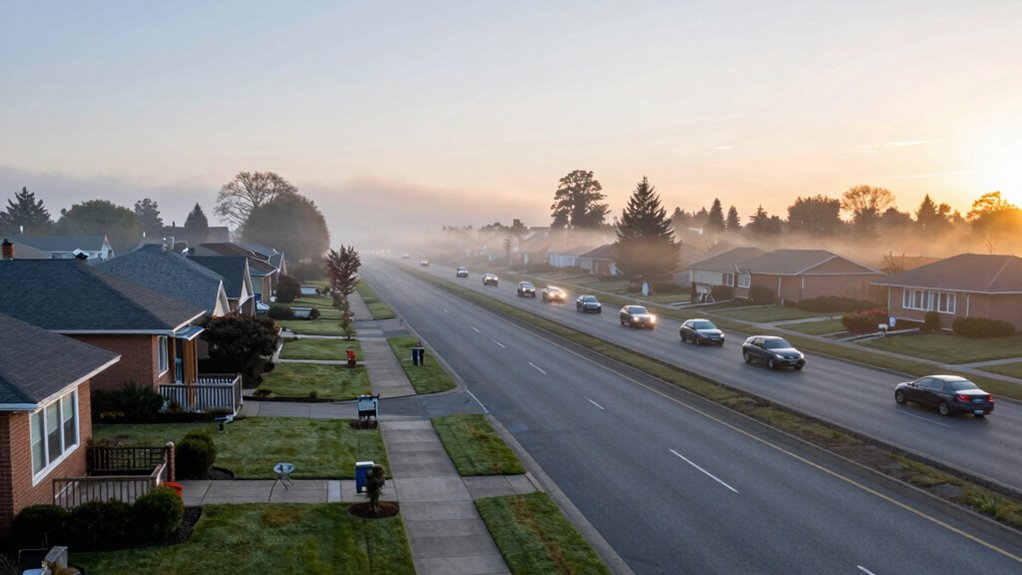
Living near a highway means you’re constantly exposed to vehicle emissions, which can impact your health and the environment. One of the biggest concerns is air quality, as traffic fumes contain pollutants like nitrogen dioxide, particulate matter, and volatile organic compounds. These pollutants can cause respiratory issues, aggravate asthma, and even increase the risk of cardiovascular disease over time. Along with poor air quality, noise pollution from passing vehicles can also become a daily nuisance, disrupting sleep, increasing stress levels, and affecting your overall well-being. Knowing the best times to ventilate your home can minimize your exposure to these hazards and help maintain a healthier indoor environment.
Living near a highway exposes you to pollutants and noise that affect your health and well-being.
Typically, traffic patterns follow predictable schedules, with peak hours in the mornings and evenings. During these times, air quality tends to be worse because of higher vehicle emissions. If you’re aiming to improve indoor air quality, it’s best to avoid opening windows or running exhaust fans during these busy periods. Instead, consider ventilating your home when traffic is lighter, such as mid-morning or late at night. Often, traffic decreases after the evening rush hour around 8 or 9 p.m., providing a window where outdoor air is less contaminated and noise pollution is lower. This helps you bring fresh air inside without introducing excessive pollutants or noise.
In addition to timing, pay attention to weather conditions. Wind speed and direction greatly influence air quality near highways. On windy days, pollutants tend to disperse more quickly, making it safer to ventilate. Conversely, on days with little wind or in conditions where air stagnates, pollutants can linger, so it’s better to wait until the outdoor air clears. Temperature inversions, which trap pollutants close to the ground, are another factor—these are more common in early mornings and during cold weather, so avoid ventilating during those times. Recognizing air quality fluctuations can help you plan better ventilation schedules and protect your health.
If you want to reduce noise pollution while ventilating, consider using window filters or creating a buffer with plants or barriers that absorb sound. Timing your ventilation during off-peak hours not only improves air quality but also minimizes the impact of noise pollution, helping you enjoy a more peaceful indoor environment. By being mindful of traffic patterns, weather conditions, and noise levels, you can choose the best times to ventilate near a highway, protecting your health and maintaining a comfortable home.
Frequently Asked Questions
How Does Traffic Volume Affect Air Quality Indoors?
Traffic volume directly impacts air quality indoors by increasing outdoor pollutants that enter your home. Higher traffic means more outdoor pollutant sources, which can lower your indoor air quality if your air exchange rates are low. To reduce exposure, you should ventilate during times of lighter traffic, when outdoor pollutants are minimal. Proper ventilation helps dilute indoor pollutants and improves overall air quality, especially when traffic volume is high outside.
Can Air Purifiers Replace Proper Ventilation Near Highways?
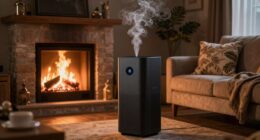
Air purifiers can’t fully replace proper ventilation near highways. While they help filter pollutants, they don’t bring in fresh air like vents do. Think of indoor plants and air purifier comparison—they both improve air quality, but plants add natural benefits, while purifiers target specific pollutants. For the best results, combine ventilation with high-quality air purifiers and indoor plants to reduce pollutants effectively and maintain a healthy indoor environment.
What Health Risks Are Associated With Long-Term Highway Proximity?
Living near a highway exposes you to health risks like respiratory issues, heart problems, and stress from constant traffic noise. You might also experience visual pollution, which can affect mental well-being. Long-term exposure increases these risks, so it’s vital to take protective measures such as proper ventilation, using air purifiers, and creating barriers to reduce noise and visual distractions, safeguarding your health over time.
How Do Seasonal Changes Impact Pollution Levels Near Highways?
Seasonal changes dramatically impact pollution levels near highways, making your environment feel like a rollercoaster of toxins. Weather variations, like winter inversions or summer heat, can trap pollutants, skyrocketing pollution during certain seasons. In winter, cold air traps emissions, while summer heat causes smog buildup. You should stay alert during these times, ventilate wisely, and avoid outdoor activities when pollution peaks to protect your health from these seasonal pollution surges.
Are There Specific Ventilation Strategies for Different Types of Homes?
You should tailor your ventilation strategies based on your home’s type. For example, use your HVAC system efficiently, ensuring proper filtration to reduce pollutants. Good building insulation helps maintain indoor air quality by preventing outdoor pollutants from seeping in, especially during high traffic times. Regularly check and upgrade your HVAC filters, and consider ventilation systems that balance fresh air intake with pollutant reduction for maximum protection.
Conclusion
Ultimately, understanding the ideal times to ventilate near highways helps you breathe better and beat the buildup of pollutants. By wisely waiting for quieter, cleaner hours, you can minimize your exposure and maximize fresh airflow. Remember, timing truly transforms your space into a safer sanctuary. Stay savvy, stay safe, and strategically ventilate during those serene, scentless moments to safeguard your health and serenity. Prioritize planning, patience, and peace for a healthier habit.