
Cigarette smoke is a multi-layer indoor problem because it pollutes the air, settles on surfaces, and leaves residues that can become airborne again. It causes health issues like respiratory and heart problems, especially for vulnerable groups. Simple solutions like filtration help, but they won’t fully fix the damage. To truly improve indoor air quality, you need to understand how smoke penetrates everything and how to address both the air and contaminated surfaces. Keep exploring to learn more.
Key Takeaways
- Cigarette smoke releases chemicals that linger on surfaces and in the air, affecting indoor air quality long after smoking stops.
- Residues stain walls, furniture, and fabrics, contributing to ongoing indoor pollution and persistent odors.
- Particles and chemicals from smoke can become airborne again when contaminated surfaces are disturbed.
- Secondhand smoke poses health risks to vulnerable populations, including children and pregnant women.
- Effective mitigation requires source control, proper ventilation, and high-quality air filtration, making it a multi-layer challenge.
Indoor cigarette smoke remains a serious health concern because it poisons the air you breathe, even when you’re indoors. The particles and chemicals released from tobacco smoke linger in the air long after the last puff, making it a persistent hazard. This smoke isn’t just a nuisance; it’s a detailed mixture of toxins that can cause a wide range of health risks, from respiratory problems to heart disease. When you’re exposed to secondhand smoke indoors, you’re at risk of inhaling these harmful substances, which can settle in your lungs and bloodstream, leading to long-term health issues.
Indoor cigarette smoke lingers, posing serious health risks from respiratory issues to heart disease.
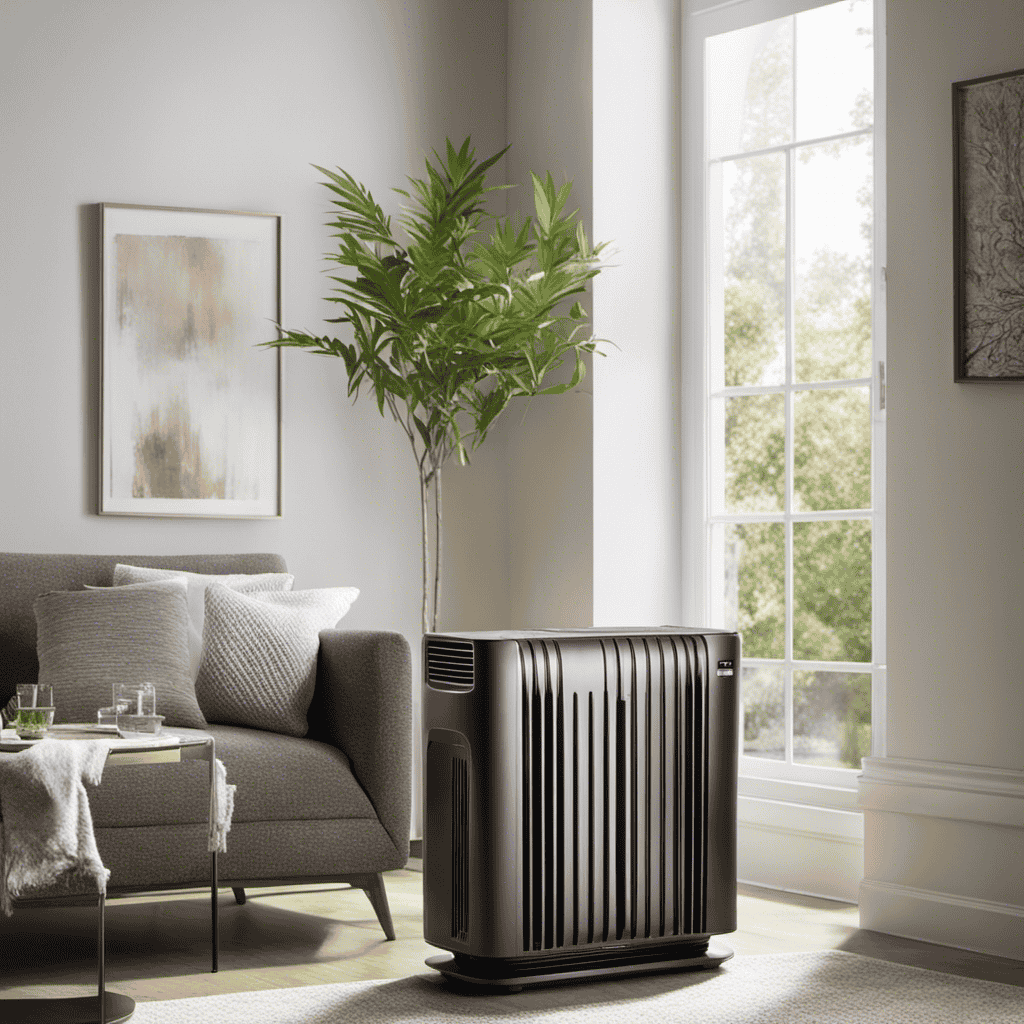
One of the most effective ways to combat indoor cigarette smoke is through proper air filtration. Good air filtration systems can help remove many of the particles and chemicals floating in the air, reducing your exposure and minimizing health risks. HEPA filters, for example, are capable of trapping fine particles, including the tiny carcinogens found in cigarette smoke. However, relying solely on air filtration isn’t enough. It’s important to control the source of smoke itself—limiting or eliminating indoor smoking is the most direct way to improve air quality.
The health risks associated with secondhand smoke are well-documented. Even brief exposure can cause immediate health effects, such as eye irritation, coughing, and shortness of breath. Over time, it increases your risk of developing chronic respiratory conditions, including asthma and bronchitis. The chemicals in cigarette smoke are also linked to cardiovascular issues, such as increased blood pressure and clogged arteries, which can lead to heart attacks. Children and pregnant women are especially vulnerable, with exposure potentially causing developmental problems and increased susceptibility to illnesses.
Beyond the health risks, cigarette smoke creates a layered problem that affects your indoor environment in multiple ways. It stains walls, furniture, and fabrics, leaving a persistent odor that’s difficult to eliminate. This odor is composed of volatile compounds that seep into porous surfaces, making even well-ventilated spaces smell stale and smoky. Additionally, smoke particles can settle on surfaces and become airborne again when disturbed, creating a cycle that sustains indoor pollution. Recognizing how smoke penetrates porous surfaces and becomes trapped can guide effective cleaning and remediation strategies. This is why understanding the multi-layered nature of this problem is crucial to addressing it comprehensively. Furthermore, the presence of smoke residues can also contribute to ongoing indoor air quality issues even after smoking has stopped.
Understanding how cigarette smoke can contaminate indoor environments emphasizes the importance of comprehensive measures for effective mitigation. Addressing this issue requires more than just air filtration; it calls for an all-encompassing approach. You need to reduce or eliminate indoor smoking, improve ventilation, and use high-quality air purifiers designed for smoke removal. By understanding how cigarette smoke infiltrates your indoor environment and recognizing its layered health risks, you can take meaningful steps to protect yourself and those around you. The key is to act decisively—clean the air, control the source, and create a healthier indoor space.

2 Pack Air Purifier for Home Bedroom with H13 True HEPA Filter for Smoke, Smokers, Dust, Odors, Pollen, Pet Dander | Quiet 99.9% Removal to 0.1 Microns | White Available for California
- Filter Type: 4-in-1 HEPA and activated carbon
- Particle Removal: 99% of 0.1 micron particles
- Odor Control: Removes household and pet odors
As an affiliate, we earn on qualifying purchases.
As an affiliate, we earn on qualifying purchases.
Frequently Asked Questions
How Long Does Cigarette Smoke Linger in Indoor Air?
Cigarette smoke can linger in indoor air for hours or even days, depending on ventilation and space size. Secondhand exposure is a concern because smoke particles and toxins stay airborne and cling to surfaces, causing a residual odor that’s hard to eliminate. You should air out the space, use air purifiers, and clean surfaces thoroughly to reduce lingering smoke and minimize health risks.
Can Cigarette Smoke Affect Indoor Air Quality in Non-Smoking Areas?
Yes, cigarette smoke can affect indoor air quality in non-smoking areas through secondhand exposure. When someone smokes nearby, the smoke particles and toxic chemicals disperse into the air, impacting everyone present. This reduces air quality, making it unhealthy for non-smokers, especially in enclosed spaces. Even if smoking isn’t allowed in certain areas, smoke can still linger and drift in, creating a persistent air quality impact.
What Are the Health Risks of Long-Term Cigarette Smoke Exposure Indoors?
Long-term indoor cigarette smoke exposure puts you at risk of health issues like respiratory problems, heart disease, and lung cancer. You inhale cigarette residue and secondhand toxins that settle on surfaces and linger in the air, even after smoking stops. These harmful substances can cause ongoing health damage, especially with frequent exposure. Protect yourself by avoiding smoky environments and ensuring proper ventilation to reduce your risk of long-term health complications.
How Effective Are Air Purifiers Against Cigarette Smoke?
Air purifiers can be quite effective against cigarette smoke if they use advanced technologies like HEPA filters and activated carbon. HEPA filters trap tiny particles, while activated carbon absorbs smoke odors and chemicals. Smoke filtration methods, such as ionizers, can also help, but they might produce ozone, which isn’t ideal. To maximize effectiveness, choose an air purifier designed specifically for smoke removal and run it continuously in the affected space.
Are Some Indoor Materials More Resistant to Cigarette Smoke Damage?
Some materials stand stronger against cigarette smoke, thanks to their durability and ability to absorb smoke particles. For instance, ceramic and metal resist damage better than porous materials like fabric or drywall. You’ll find that non-porous surfaces efficiently absorb smoke, reducing lingering odors. By choosing durable, non-porous materials, you can minimize smoke absorption and damage, helping your indoor environment stay cleaner and fresher despite cigarette smoke’s persistent presence.
Conclusion
Think you can just open a window to clear cigarette smoke? Think again. The idea that fresh air easily eliminates smoke’s harmful layers is a myth. Smoke particles cling to surfaces, lingering long after the last puff. You might breathe in toxins without realizing it. So, don’t rely on simple ventilation—consider quitting or creating smoke-free zones. Your indoor air quality depends on more than just opening a window; it’s a layered problem that demands serious attention.