
Pollen levels peak early morning and late afternoon, making indoor air more vulnerable during these times. Warm air and wind stir up pollen from outside, increasing indoor contamination if windows or doors are open. To lessen pollen infiltration, keep windows closed and use air purifiers with HEPA filters. Wearing sunglasses or masks and showering after outdoor activities also help. Continue exploring to learn more ways to protect your indoor air during high pollen hours.

Get garden gear delivered free — and shop member deals
- Fast, free delivery on millions of items
- Access to Prime Big Deal Days deals on October 6–7
- Prime Video, Amazon Music and more included
Key Takeaways
- Pollen levels peak early morning and late afternoon, increasing indoor infiltration during these times.
- Keeping windows and doors closed during peak hours reduces pollen entry inside.
- Using HEPA air purifiers helps remove airborne pollen from indoor environments.
- Pollen forecasts enable planning to minimize outdoor exposure during high-risk periods.
- Post-outdoor activities, showering and changing clothes help remove pollen and reduce indoor contamination.
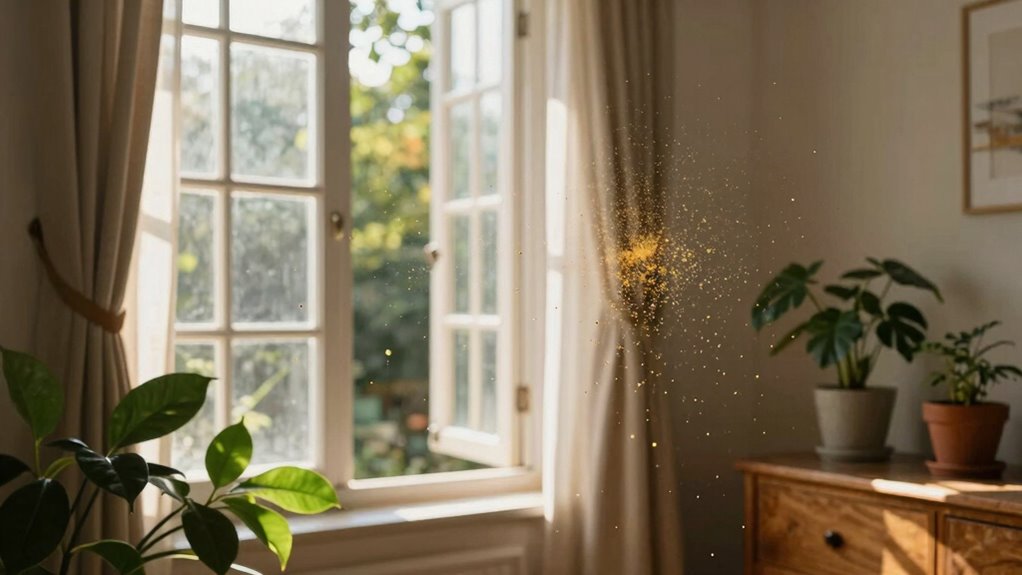
If you suffer from allergies, understanding pollen peak hours can make a considerable difference in managing your symptoms. During certain times of the day, pollen levels hit their highest points, and knowing when these peaks occur helps you plan your activities better. Typically, pollen counts are highest early in the morning and late in the afternoon, when the air is warmer and wind conditions often stir up pollen from plants, trees, and grasses. Research shows that pollen forecasting can give you a detailed picture of these peaks, allowing you to avoid outdoor exposure when pollen counts are at their worst. Keeping an eye on daily pollen forecasts helps you decide whether to stay indoors or take extra precautions. pollen levels can vary significantly depending on environmental factors, so staying informed is essential. When pollen levels surge, your indoor environment can also be affected, especially if you don’t take steps to reduce pollen entry. Windows and doors are common entry points, so keeping them closed during peak hours can notably reduce pollen infiltration. Using air purifiers with HEPA filters further helps clear out airborne pollen, making your indoor air safer to breathe. If you have allergies, it’s essential to have allergy medications on hand, especially during high pollen seasons. Antihistamines, nasal sprays, and decongestants can provide quick relief when symptoms flare up during peak hours. Taking these medications proactively, before symptoms become severe, can make a noticeable difference in your comfort level. Additionally, understanding pollen forecast accuracy can help you better plan your daily routines and minimize exposure. Consulting reliable pollen data from trusted sources can also improve your ability to predict and prepare for high pollen days. Many allergy sufferers find that paying attention to pollen forecasting apps or websites is key to managing their daily routines. These tools provide real-time updates, so you can plan outdoor activities, exercise, or errands around lower pollen periods. If you must be outside during peak hours, wearing sunglasses and a mask can help keep pollen out of your eyes and respiratory system. Showering and changing clothes after outdoor exposure also help remove pollen from your skin and hair, reducing the chance of indoor contamination. Being aware of environmental conditions such as humidity and wind can also influence pollen levels and improve your planning. Incorporating pollen data into your daily routine can help you make more informed decisions about outdoor exposure. Ultimately, understanding the timing of pollen peaks empowers you to take control of your allergy management. Combining this knowledge with effective allergy medications and proactive indoor strategies can minimize your symptoms and improve your overall quality of life. Staying informed through pollen forecasting and adjusting your daily habits accordingly ensures that you’re not caught off guard during the worst pollen hours, allowing you to breathe easier and avoid unnecessary discomfort.
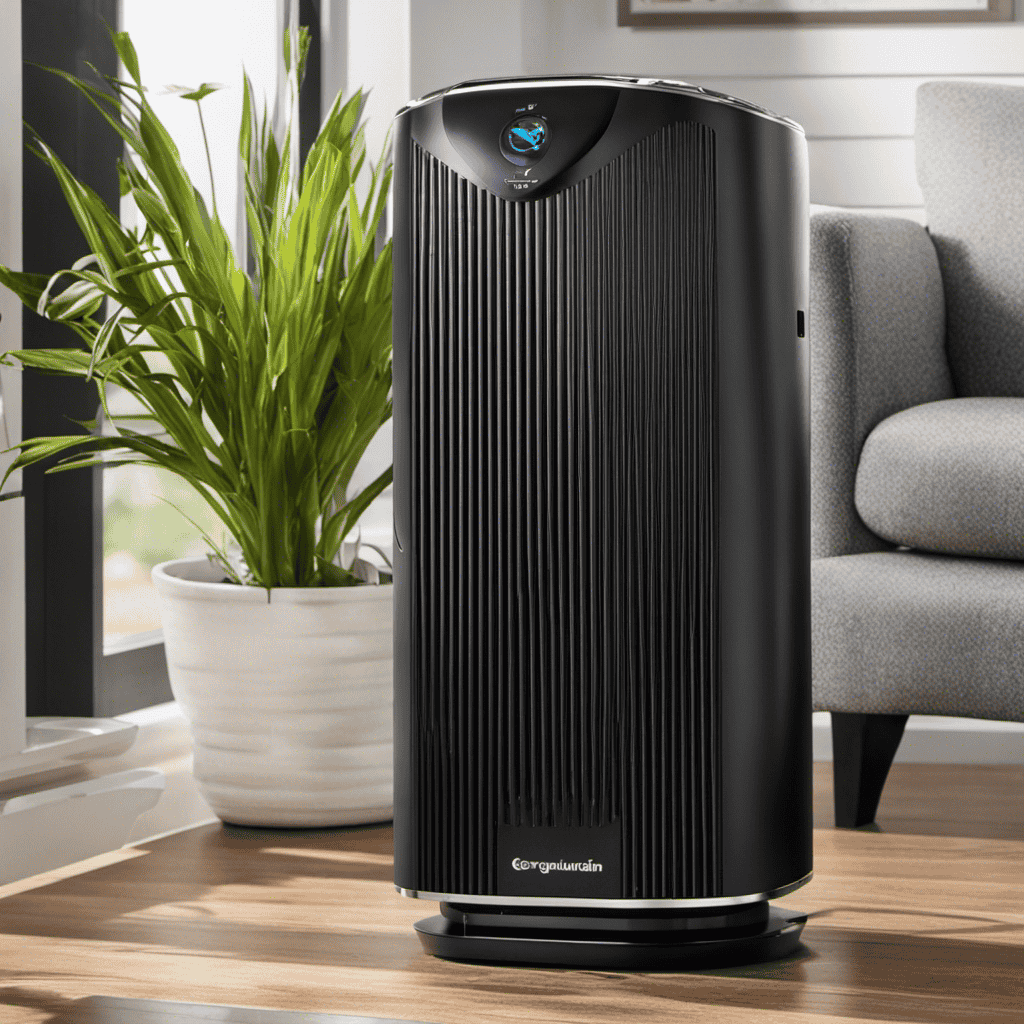
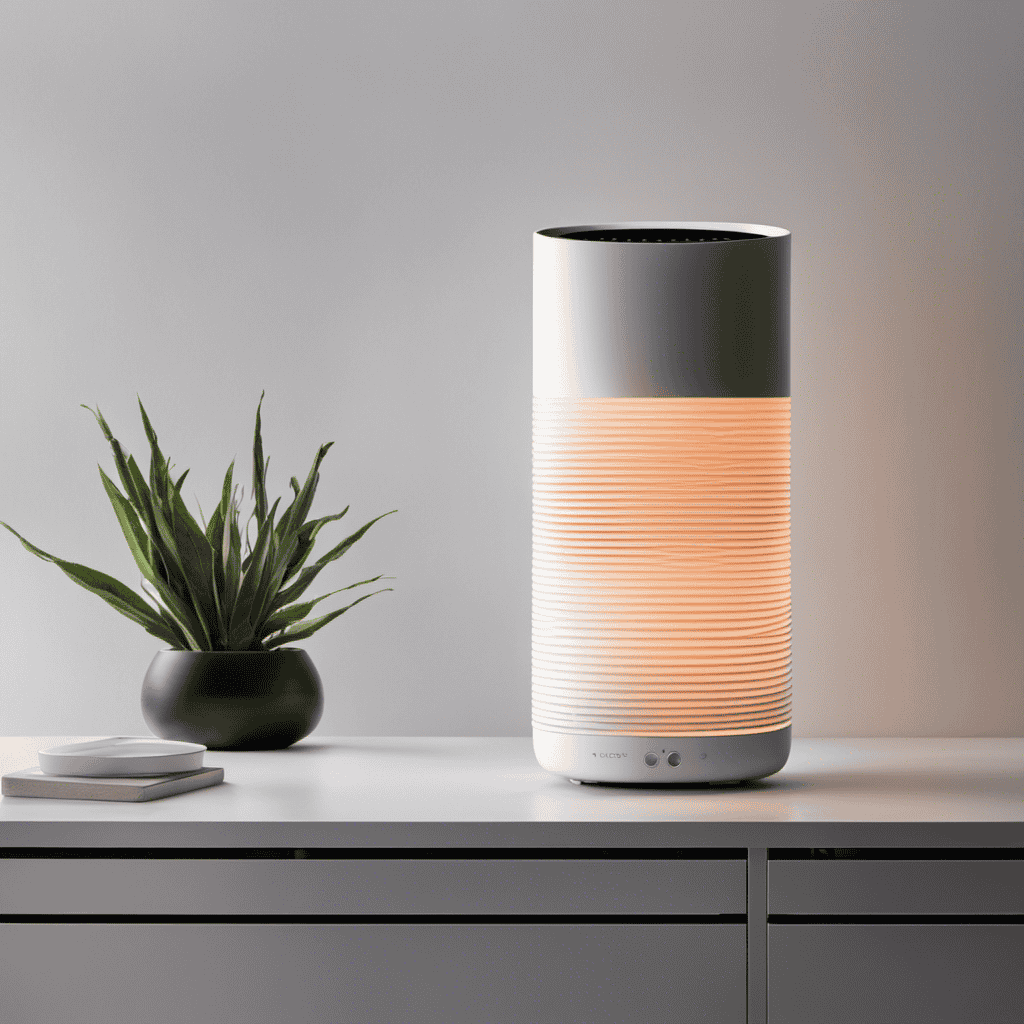
HEPA air purifier for pollen removal
As an affiliate, we earn on qualifying purchases.
As an affiliate, we earn on qualifying purchases.
Frequently Asked Questions
How Can I Tell if Indoor Pollen Levels Are High?
You can tell if indoor pollen levels are high by paying attention to allergy symptom triggers like sneezing, itchy eyes, or congestion. Use pollen count monitoring apps or websites to stay informed about outdoor pollen levels, which often influence indoor air quality. If your symptoms worsen indoors, especially during peak pollen times, it indicates elevated indoor pollen. Consider using air purifiers and keeping windows closed to reduce pollen exposure.
Do Pollen Peak Hours Vary by Location?
Yes, pollen peak hours do vary by location, influenced by regional climate and urban green spaces. In areas with warm, dry climates, pollen tends to be more abundant during late mornings and early afternoons, while cooler regions might see peaks later in the day. Urban green spaces can also increase pollen levels, affecting indoor air quality differently depending on your local environment. Monitoring local pollen forecasts helps you stay prepared.
Can Indoor Plants Worsen Pollen Allergies During Peak Hours?
Yes, indoor plants can worsen pollen allergies during peak hours because some plants release plant allergens that trigger symptoms. During these times, pollen particles and plant allergens mix in the air, making allergy mitigation harder. If you’re sensitive, consider choosing hypoallergenic plants or reducing the number of plants during peak pollen hours. Proper cleaning and air filtration can also help reduce allergen buildup indoors.
Are Pollen Peak Times Different for Different Types of Pollen?
Yes, pollen peak times vary depending on pollen seasonality and pollen diversity. Different plants release pollen at different times of the year, and even within a day, some pollen types might be more prevalent than others. You should pay attention to local pollen forecasts, as peak hours can differ based on the diversity of pollen in your area. This way, you can better plan indoor activities and reduce allergy symptoms.
How Effective Are Air Purifiers During Pollen Peak Hours?
An air purifier during pollen peak hours is your strongest ally against airborne allergens. When maintained properly, its pollen filtration efficiency can drastically reduce pollen levels indoors, almost like a fortress defending your space. Regular air purifier maintenance ensures maximum performance, so filters trap more pollen. This makes your environment noticeably cleaner and healthier, giving you peace of mind and relief from allergy symptoms during those critical peak times.
Conclusion
As you navigate your day, remember that pollen peak hours hit indoor air like a sudden storm—intense and unavoidable. Staying aware of these times helps you prepare and minimize exposure, much like shielding yourself from a gusty wind. Keep windows closed during peak hours, use air purifiers, and shower after being outside. Taking these steps is your shield against the invisible invasion, turning what feels like chaos into manageable calm.
Halloween Picks
halloween
As an affiliate, we earn on qualifying purchases.