TL;DR

Get garden gear delivered free — and shop member deals
- Fast, free delivery on millions of items
- Access to Prime Big Deal Days deals on October 6–7
- Prime Video, Amazon Music and more included
Gardening Know How’s report says wet soil and soft late-season growth can pose more winter risk to lavender than cold alone. Its recommended fall steps include a light trim well before hard frost, stopping fertilizer by late summer, reducing watering without letting plants become drought-stressed, and shielding them from wind.
Gardening Know How recommends preparing lavender for winter in late summer and early fall, with steps focused on limiting wet roots, tender new growth and wind exposure. The gardening report says soggy soil and soft growth can cause more trouble than cold alone, especially for plants in poorly drained beds or exposed sites.
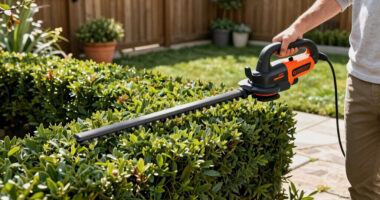
The report’s first step is a light “green sweep” trim, made four to six weeks before the first hard freeze. Gardeners can gather a loose handful of stems and remove about one-third of their length, keeping the cut within leafy growth and leaving roughly 2.5 to 5 centimeters of green growth above the woody stems. Lavender may not regrow from bare wood, so cutting into the woody base can leave stems that fail to recover. Clean, sharp blades help make a smooth cut; a rounded plant shape can also shed snow better than a flat top.
Fall pruning may not suit every lavender or climate. In colder regions, the report says some gardeners limit fall work to removing spent flower heads and do shaping in spring. Spanish and French lavender are described as less cold-hardy, and the report advises deadheading them in fall rather than giving them a shaping trim. The cut stems can be bundled and dried for their fragrance.
Stop fertilizer by early August in most regions, according to the report, which warns that late nitrogen can encourage growth that is more vulnerable to cold. As days shorten, water less often and let the soil dry several inches below the surface. Established in-ground plants may get enough water from rain, but they should not be left under drought stress: a deep soak before a cold snap is suggested if rain has been scarce. For container plants, check the potting mix about 2.5 centimeters down and water if it feels dry. Raise pots to help drainage, and move them against a house wall or under cover on the coldest nights.
Keeping Roots and New Growth Safe
These steps address several winter stresses at once. Wet soil can leave lavender roots vulnerable, while late fertilizer or pruning can leave tender growth with little time to harden before freezing weather. Persistent wind can also draw moisture from the plant’s foliage when frozen ground limits what its roots can replace.
For gardeners, the advice centers on timing and drainage rather than heavy winter treatment. A well-drained, sunny location remains the main protection, the report says. Where a bed stays soggy or a garden is exposed to wind, fall adjustments may help, though the source does not promise that they will prevent all winter damage.
As an affiliate, we earn on qualifying purchases.
Lavender’s Dry-Climate Needs
Lavender originates on dry, stony Mediterranean hillsides, according to Gardening Know How. Garden soil that stays wet through winter differs sharply from those conditions. Heavy clay and low-lying, soggy areas therefore put plants at a disadvantage before cold weather arrives.
The report frames fall preparation as an extension of year-round care: plant lavender in full sun and soil that drains quickly. It places most seasonal work in late summer and early fall, ahead of the first hard freeze, when pruning and feeding can still affect how the plant enters winter.
““Soggy roots and soft late growth in cold winds tend to cause the real trouble.””
— Gardening Know How report
Winter Damage Can Take Time
The report does not specify one pruning or watering schedule that fits every climate, lavender variety, soil type and winter. Its timing is presented as general guidance, with adjustments for colder regions and less cold-hardy Spanish and French varieties. How much protection a plant needs depends on local conditions, including rainfall, drainage, exposure and whether it is grown in a pot.
Early spring appearance may not settle whether a plant survived. Lavender can look gray or untidy, and browning in March does not necessarily mean it is dead. The report advises waiting for visible recovery, such as new green growth near the base, before removing stems that snap rather than bend.
Check Plants as Spring Returns
As temperatures rise, watch for green growth near the base before deciding how much winter-damaged growth to remove. Once recovery is visible, the report says to cut away stems that snap instead of bending. Remove any breathable winter cover as spring warms up, and wait to resume feeding until new growth appears.
For next winter, gardeners can review whether water pooled around plants, whether containers drained freely and whether wind damage was concentrated on one side. Those observations can guide changes to the planting spot, fall watering or wind screening in the following season.
Key Questions
When should I prune lavender before winter?
Gardening Know How gives four to six weeks before the first hard freeze as the usual window for a light trim. In colder regions, gardeners may limit fall work to deadheading and do shaping in spring.
How much should I cut off?
Gather a loose handful of leafy stems and cut away about one-third of their length, staying above the woody base. The report warns that lavender may not regrow from bare wood.
Should I stop watering lavender in winter?
Water less often as days shorten, and let the soil dry a few inches down between watering. Do not leave plants drought-stressed; a deep soak before a cold snap may be appropriate if rain has been scarce. Check container plants separately because their potting mix can dry faster.
How can I protect lavender from winter wind?
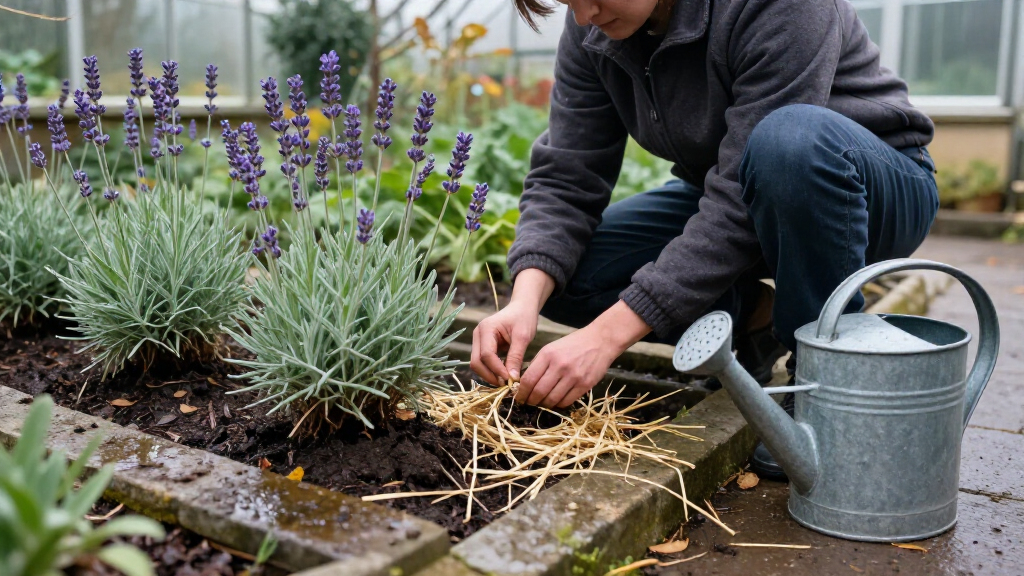
Planting near a wall or fence can reduce exposure. In an open yard, the report suggests a burlap screen on the windward side, held several inches away from the foliage so air can move through. It says a breathable cover may add protection in the coldest zones after the first hard frost.
Does brown lavender in early spring mean it is dead?
Not necessarily. The report says lavender can look gray or untidy in early spring; wait for signs such as new green growth near the base before judging recovery. Stems that snap rather than bend can then be cut away.
Source: rss
Halloween Picks
halloween
As an affiliate, we earn on qualifying purchases.