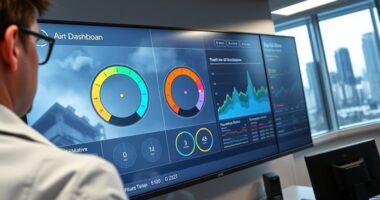
Continuous radon tracking changes how you see risk by giving you real-time data on fluctuations and patterns over time. Instead of relying on one-time tests, you gain insights into how radon levels vary with weather, seasons, and ventilation. This proactive approach helps you respond quickly to spikes and make smarter mitigation choices. As you learn more, you’ll better understand how radon affects your indoor air quality and how to stay protected long-term.

Get garden gear delivered free with Prime
- Fast, free delivery on millions of items
- Prime Video, Amazon Music and more included
- Member-only deals all year
Key Takeaways
- Continuous tracking reveals radon level fluctuations, allowing for a more accurate understanding of long-term exposure risks.
- It identifies seasonal and weather-related spikes that one-time tests might miss.
- Regular monitoring enables proactive mitigation adjustments based on real-time data.
- It shifts perception from radon as a static threat to a dynamic hazard requiring ongoing vigilance.
- Long-term data empowers homeowners to make informed decisions and maintain safer indoor air quality.

Have you ever wondered how tracking radon levels might influence how you perceive its dangers? When you monitor radon levels regularly, you get a clearer picture of the risks lurking in your home’s indoor air. Instead of assuming danger based on a single measurement or a vague warning, continuous radon tracking provides real-time data that can change your understanding of what’s safe and what’s not. This ongoing process makes you more aware of fluctuations and helps you respond proactively, especially when levels spike unexpectedly.
As you keep an eye on your indoor air quality, you realize that radon isn’t a static problem. It varies depending on weather, ventilation, and even seasons. This variability means you can’t rely on one-time testing to make decisions. Instead, continuous radon tracking highlights patterns over days or weeks, showing you whether your radon levels are consistently high or if they increase during certain times. This information can shift your perception from dismissing radon as a minor concern to recognizing it as a persistent risk that needs ongoing attention.
With this insight, you’re more likely to take effective measures like radon mitigation. Knowing precisely when and how your radon levels change allows you to tailor mitigation strategies to your home’s specific needs. For example, if you notice spikes during colder months when your home is sealed tighter, you might invest in better ventilation or sealing cracks to reduce radon entry. Continuous tracking empowers you to make smarter decisions about indoor air quality and the steps necessary to keep your family safe.
Furthermore, persistent monitoring can change the way you view the importance of testing. Instead of a one-and-done task, radon tracking becomes an ongoing part of maintaining a healthy indoor environment. It reinforces the idea that radon is a dynamic threat, not a fixed hazard, and that regular monitoring is essential. This shift in perception encourages you to stay vigilant, especially in areas with known radon issues, and to prioritize radon mitigation efforts when levels rise. Recognizing radon as a variable hazard underscores the importance of ongoing vigilance. Additionally, understanding the indoor air quality dynamics helps you appreciate the need for continuous monitoring as part of a comprehensive health strategy.
A deeper understanding of radon variability can also motivate homeowners to adopt preventive measures that address the root causes of radon entry, making mitigation more effective long-term. Ultimately, continuous radon tracking transforms your understanding of risk from a vague concern to a tangible, manageable challenge. It makes you more confident in your ability to protect your indoor air quality. Instead of reacting only after a test confirms high radon levels, you become proactive, adjusting ventilation or installing mitigation systems as needed. Over time, this ongoing vigilance reduces your exposure and reassures you that you’re actively managing a significant health risk.
Products Worth Considering

Dyson Ball Animal 3 Extra Upright Vacuum

Shark Navigator Robot Vacuum with 30-Day Self-Empty Base, White (AV2110S)

Ring Battery Doorbell and Chime (3rd Gen), Satin Nickel
As an affiliate, we earn on qualifying purchases.
Frequently Asked Questions
How Accurate Are Continuous Radon Monitors Compared to Traditional Testing Methods?
Continuous radon monitors are generally more accurate than traditional testing methods because their radon sensor accuracy provides real-time data, capturing fluctuations over time. You benefit from advanced data analysis techniques that identify trends and anomalies, giving you a clearer picture of your radon levels. Unlike one-time tests, continuous monitoring offers ongoing insights, making it easier to assess long-term risk and take timely action.
Can Continuous Radon Tracking Predict Future Radon Level Fluctuations?
Yes, continuous radon tracking can help predict future fluctuations in indoor air radon levels. By monitoring radon exposure over time, you get real-time data that reveals patterns and trends, allowing you to anticipate when radon levels might rise. This proactive approach enables you to better protect indoor air quality, reduce health risks, and make informed decisions about mitigation measures before dangerous spikes occur.
What Are the Costs Associated With Implementing a Continuous Radon Tracking System?
Implementing a continuous radon tracking system involves several costs. You’ll face installation costs, which cover the device setup and any necessary adjustments, and ongoing maintenance expenses, including regular calibration and sensor replacements. These costs vary depending on the system’s sophistication and size. While the initial investment can be significant, the benefits of real-time monitoring and improved safety often outweigh the expenses, especially in high-risk areas.
How Often Should Radon Levels Be Monitored for Reliable Risk Assessment?
You should monitor indoor air radon levels at least quarterly to guarantee reliable risk assessment. Regular tracking helps identify fluctuations that could indicate the need for radon mitigation. By keeping tabs on indoor air quality consistently, you can act swiftly if levels increase, reducing health risks. Continuous radon tracking offers a more accurate picture, helping you maintain a safer indoor environment and make informed decisions about radon mitigation measures.
Are There Specific Environments Where Continuous Radon Tracking Is Most Beneficial?
You’ll find continuous radon tracking most beneficial in environments where indoor air quality is critical, such as homes, schools, and workplaces. It helps you monitor how building ventilation impacts radon levels over time, allowing you to identify patterns and take action if levels rise. By maintaining good ventilation and using continuous tracking, you can better protect occupants from long-term radon exposure and improve overall indoor air quality.
Conclusion
As you track radon levels continuously, you shift from a static view of risk to a dynamic understanding. Instead of assuming your home’s safety, you become aware of fluctuations and trends over time. This ongoing insight contrasts sharply with one-time tests, making risks feel more tangible and manageable. Ultimately, continuous monitoring empowers you to act proactively, turning uncertainty into control—and transforming your perception of danger from distant threat to immediate responsibility.