
HEPA filters don’t kill germs directly; instead, they physically trap tiny airborne particles like viruses, bacteria, dust, and pollen. As air passes through the dense filter media, these particles are captured and held in place, preventing them from circulating back into your environment. This reduces your exposure to harmful pathogens and improves indoor air quality. If you want to understand how they work and their limitations, there’s more to discover below.
Key Takeaways
- HEPA filters physically trap airborne particles, including germs, rather than killing them directly.
- They remove tiny particles as small as 0.3 microns with 99.97% efficiency.
- Many germs hitch a ride on larger droplets, which HEPA filters can capture effectively.
- HEPA filters prevent recirculation of trapped germs, reducing airborne pathogen levels.
- They are part of a comprehensive infection control strategy, not a standalone solution.
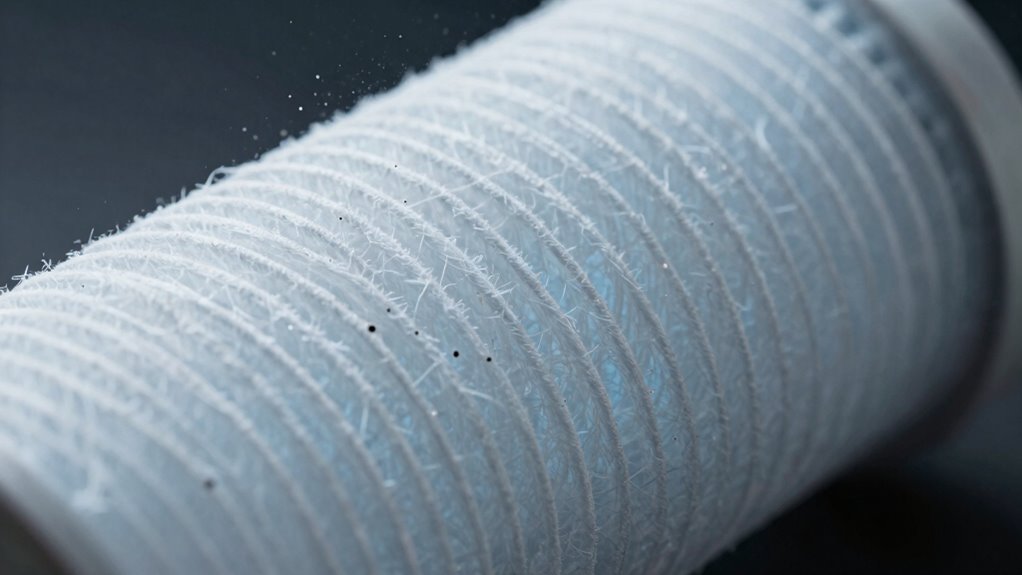
Have you ever wondered how effective HEPA filters are at trapping germs? The truth is, HEPA filters don’t kill viruses or bacteria directly. Instead, they excel at virus filtration and particle capture, removing tiny airborne particles that can carry germs. When you run an air purifier equipped with a HEPA filter, what you’re really doing is creating a barrier that traps these harmful particles before they can circulate through your space. This process markedly reduces your exposure to airborne pathogens, making your environment safer, especially during flu season or a pandemic.
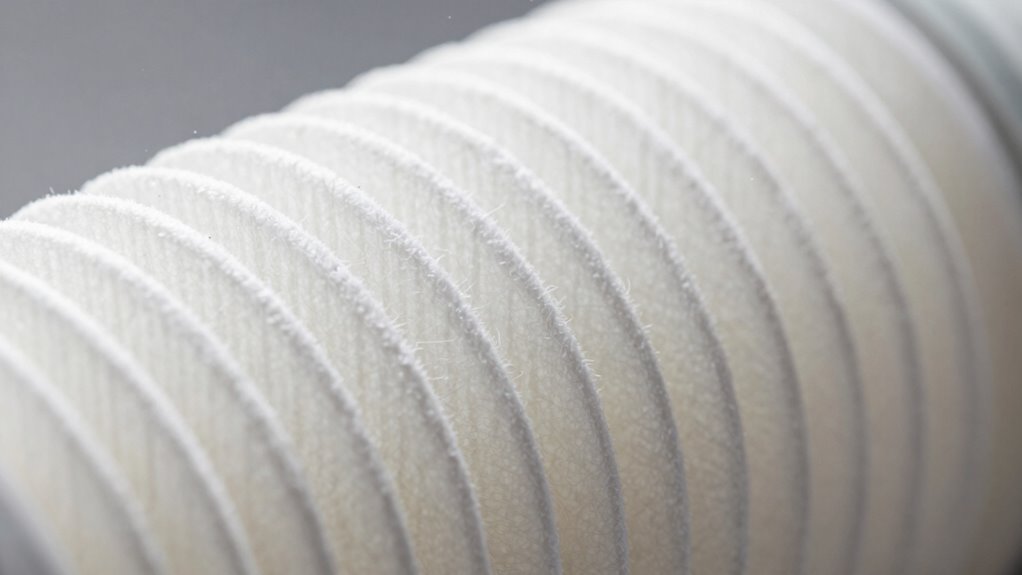
The key to understanding how HEPA filters work lies in their ability to capture particles as small as 0.3 microns with an efficiency of 99.97%. Many airborne viruses and bacteria are smaller than this, but they often hitch a ride on larger respiratory droplets or other particles. HEPA filters don’t need to directly kill germs; their job is to physically trap these microscopic particles as air passes through the dense filter media. This particle capture mechanism ensures that the germs remain lodged within the filter, preventing them from recirculating into the room air.
It’s vital to realize that while HEPA filters are excellent at filtering out germs, they aren’t a substitute for disinfecting surfaces or good hygiene practices. They’re part of an overall strategy to reduce airborne contaminants. By continuously pulling air through a HEPA filter, you decrease the number of virus-laden aerosols in your environment. This is especially beneficial in enclosed spaces like offices, hospitals, or homes where airborne transmission of germs can be a concern. Keep in mind, though, that the effectiveness depends on proper maintenance—regularly replacing or cleaning the filter ensures maximum particle capture.
In addition to virus filtration, HEPA filters are also effective at trapping dust, pollen, pet dander, and other pollutants, contributing to better indoor air quality. So, although they don’t kill germs outright, their ability to physically remove these particles from the air makes them invaluable in reducing the risk of airborne infection. When combined with other preventive measures—like mask-wearing, hand hygiene, and good ventilation—HEPA filters provide an overall approach to managing airborne germs. Understanding the filter media and its capabilities can help you select the best air purification system for your needs.
Frequently Asked Questions
Can HEPA Filters Remove Viruses From the Air Effectively?
Yes, HEPA filters can effectively remove viruses from the air through viral filtration. They trap tiny particles, including viruses, which are usually around 0.1 microns in size, within their dense fibers. Since viruses often attach to larger droplets or particles, HEPA filters capture these, reducing airborne transmission. Make sure your filter is certified, and understand that while they don’t kill germs, they substantially decrease viral particles in your environment.
How Often Should HEPA Filters Be Replaced for Optimal Performance?
Think of your HEPA filter as a diligent gatekeeper, always on duty. For ideal performance, you should replace it every 6 to 12 months, depending on usage and air quality. This replacement schedule maintains its filter lifespan and guarantees clean, healthy air. Regular changes prevent clogging and keep your air purifier working at peak efficiency, so you breathe easier knowing your environment stays fresh and protected.
Do HEPA Filters Trap All Types of Airborne Particles?
Yes, HEPA filters trap most airborne particles, including dust, pollen, pet dander, and bacteria. However, dust accumulation can clog the filter over time, reducing its efficiency. That’s why regular filter maintenance and timely replacement are vital. By keeping your filter clean and well-maintained, you guarantee it continues to effectively trap a wide range of airborne contaminants, improving air quality in your space.
Are HEPA Filters Safe for People With Allergies or Asthma?
Yes, HEPA filters are safe for people with allergies or asthma. They help provide allergy relief by trapping common airborne allergens like pollen, pet dander, and dust mites, which are often asthma triggers. Using a HEPA filter can improve air quality and reduce symptoms, making it easier for you to breathe. Just make certain your filter is properly maintained and replaced regularly for maximum safety and effectiveness.
What Is the Difference Between HEPA Filters and Other Air Purification Methods?
You’ll notice that HEPA filters differ from other air purification methods mainly in their air filtration standards and filter material differences. HEPA filters capture at least 99.97% of particles as small as 0.3 microns, making them highly effective against allergens and pollutants. Other methods, like activated carbon filters, target gases and odors, but often don’t meet the same strict standards for particle removal, so choose based on your specific air quality needs.
Conclusion
Remember, HEPA filters are like vigilant gatekeepers, trapping tiny invaders in their web. They don’t kill germs but hold them close, preventing them from roaming free. Think of them as silent guardians, filtering the air you breathe, weaving a barrier between you and unseen threats. So, while they’re not germ assassins, their steady watch keeps your environment safer, turning your indoor air into a calmer, cleaner haven—peaceful and protected, one filter at a time.