
Dust, dust mites, and dander create a confusing indoor environment that can trigger allergies and respiratory issues. Dust includes dirt, skin cells, and tiny pests, while mites thrive in bedding and humid spaces, causing allergic reactions from their feces and shed skins. Using HEPA filters, maintaining low humidity, and cleaning regularly can reduce these triggers. Keep going to discover effective strategies to improve your indoor air quality and find relief.

Get garden gear delivered free with Prime
- Fast, free delivery on millions of items
- Prime Video, Amazon Music and more included
- Member-only deals all year
Key Takeaways
- Dust contains allergens like dead skin, mites, and debris, which trigger indoor allergy symptoms.
- Dust mites thrive in bedding and high humidity, contributing significantly to indoor allergen levels.
- Effective control involves regular cleaning, using HEPA filters, and maintaining humidity below 50%.
- Dust and dander become airborne, requiring proper ventilation and air purification to reduce exposure.
- Sealing cracks, eliminating clutter, and washing bedding in hot water help minimize mite habitats and allergens.
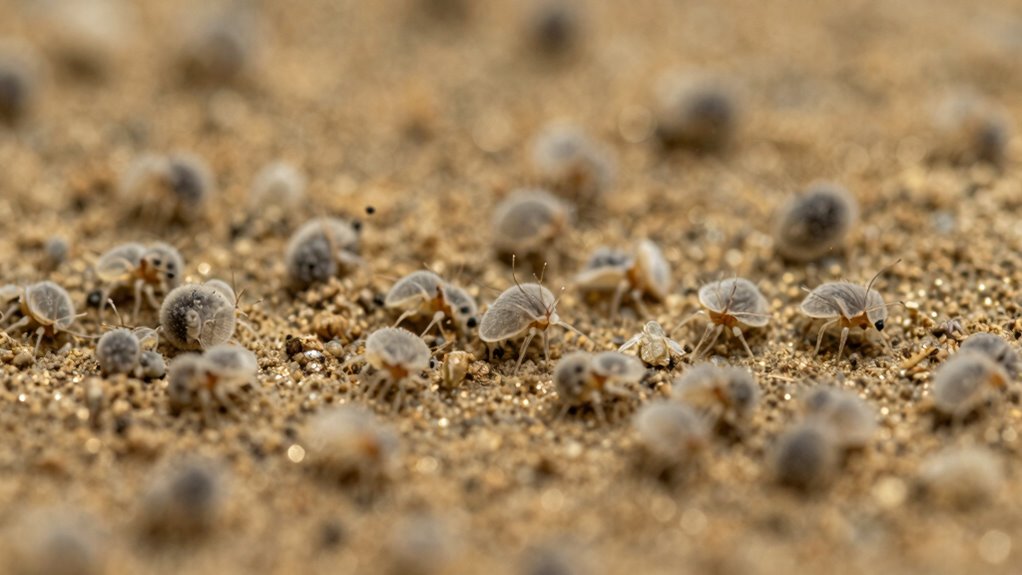
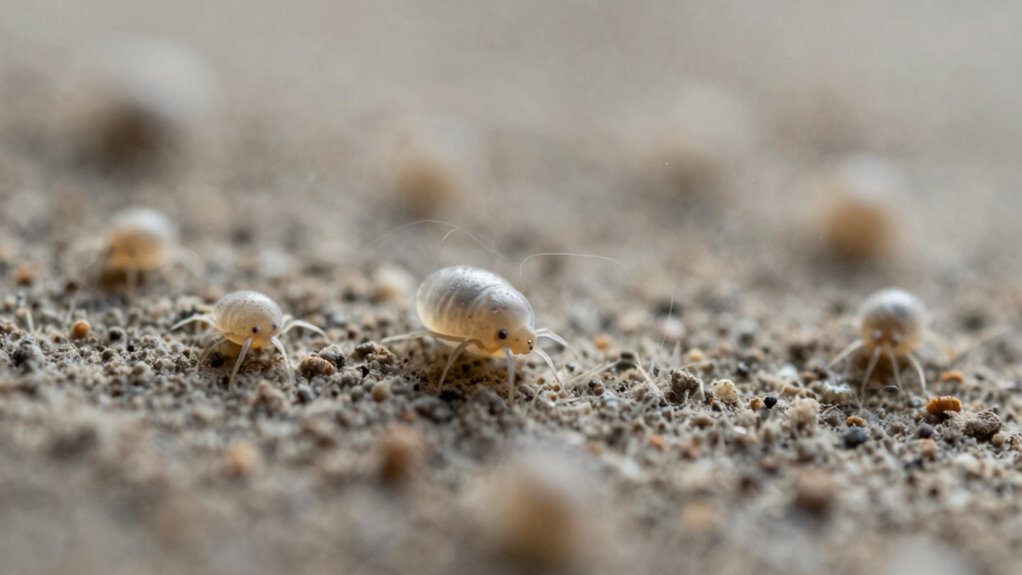
Have you ever wondered what’s really lurking in the dust around your home? It’s more than just dirt; it’s a complex mixture of allergy triggers, microscopic pests, dead skin cells, and other debris. Dust mites, in particular, are tiny creatures that thrive in environments where humidity is high and surfaces are rarely cleaned thoroughly. These mites are invisible to the naked eye, but their presence can cause notable allergic reactions, especially for those sensitive to dust, pet dander, or mold. Their feces and shed skins become airborne particles, making it easy for them to enter your respiratory system and trigger sneezing, coughing, or even asthma attacks. But dust isn’t just a nuisance—it’s a major source of allergy triggers that can affect your health daily.
Dealing with dust and the pests that hide within it can feel overwhelming, but understanding the role of pest control is essential. Regular cleaning helps reduce the amount of dust and mites, but to truly combat the problem, you need to target their habitats. Using high-efficiency particulate air (HEPA) filters in your vacuum cleaner traps tiny particles, including dust mite waste, preventing them from being redistributed into the air. Enclosing mattresses and pillows in allergen-proof covers can block mites from burrowing into your bedding, which is a prime spot for these pests to thrive. Humidity control is vital too—keeping indoor humidity below 50% makes your environment less inviting for dust mites and mold, both of which contribute to indoor allergy triggers. Maintaining proper indoor air quality is crucial in reducing airborne allergens and pests. Additionally, understanding dust composition can help you better identify and manage indoor allergens. Incorporating measures to improve ventilation can further help reduce airborne particles and improve overall air quality.
Effective dust mite control includes HEPA filters, allergen-proof bedding, and maintaining humidity below 50%.
Air purifiers equipped with HEPA filters can also drastically improve indoor air quality by removing airborne dust, dander, and other allergens that aggravate allergy symptoms. It’s important to stay consistent with your cleaning routine—dusting surfaces with damp cloths, washing bedding weekly in hot water, and vacuuming carpets and upholstery regularly. These steps aren’t just about cleanliness; they’re about reducing the presence of allergy triggers and pest habitats. Incorporating air quality management techniques into your routine can significantly lessen allergy symptoms and create a healthier environment.
Most importantly, a proactive approach to pest control involves eliminating clutter and moisture sources that attract pests and mites. Consider sealing cracks and crevices around windows and doors to prevent new pests from entering. If dust mites or pests become a persistent problem, consulting a professional pest control service can help you develop a targeted plan to eliminate the issue completely. Remember, controlling dust, mites, and pet dander isn’t just about cleanliness—it’s about creating a healthier, more comfortable living space free from the triggers that cause allergic reactions and health problems.
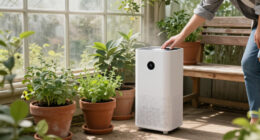
HEPA air purifier for dust and allergens
As an affiliate, we earn on qualifying purchases.
As an affiliate, we earn on qualifying purchases.
Frequently Asked Questions
How Can I Differentiate Between Dust and Pet Dander Allergies?
You can differentiate between dust and pet dander allergies by paying attention to your allergy symptoms and exposure triggers. If your symptoms worsen after cleaning or being in dusty areas, dust might be the culprit. If they flare up around pets or in pet-heavy environments, pet dander is likely responsible. Keep track of when symptoms appear and consult an allergy specialist for testing to identify specific triggers accurately.
Are There Specific Cleaning Products Effective Against Dust Mites?
To combat dust mites, look for cleaning products containing effective repellents and allergen blockers. These products help reduce dust mite populations and minimize allergens in your home. Use allergen-blocking sprays on bedding, upholstery, and curtains regularly. Vacuum with a HEPA filter and wash bedding weekly in hot water. Consistent cleaning with these targeted products can considerably lessen dust mite allergens, providing relief for allergy sufferers.
What Are the Long-Term Health Effects of Dust Exposure?
Long-term dust exposure can worsen indoor air quality, leading to increased allergen sensitivity and respiratory issues like asthma or bronchitis. You might notice persistent coughing, sneezing, or difficulty breathing over time. If you don’t address dust buildup, these health problems could become chronic. To improve your indoor environment, regularly clean surfaces, use air purifiers, and control humidity, reducing dust and allergens that can harm your health long-term.
Can Air Purifiers Completely Eliminate Indoor Dust and Dander?
You might think air purifiers can completely eliminate indoor dust and dander, but that’s not entirely true. HEPA filters can remove up to 99.97% of airborne particles, substantially aiding allergen reduction. However, they can’t capture all dust and dander settled on surfaces or in hidden cracks. Regular cleaning combined with a quality air purifier improves indoor air quality, but complete elimination isn’t realistically achievable.
How Often Should Mattresses and Upholstery Be Cleaned to Reduce Allergens?
You should clean your mattresses and upholstery at least every 1 to 2 months to reduce allergens effectively. Regular mattress sanitation, including vacuuming and washing bedding, helps eliminate dust mites and dander. Upholstery maintenance, like spot cleaning and using allergen-proof covers, also contributes to a healthier indoor environment. Consistent cleaning minimizes allergen buildup, making your space more comfortable and safer for allergy sufferers.
Conclusion
Did you know that dust mites thrive in just about every home, with an average of 100,000 to 10 million mites living in your bedding alone? This startling fact highlights how easily dust, mites, and pet dander can trigger allergies and asthma. By understanding these indoor nuisances, you can take steps to reduce their presence. Regular cleaning, using allergen-proof covers, and maintaining low humidity can make a significant difference in improving your indoor air quality and health.
Halloween Picks
halloween
As an affiliate, we earn on qualifying purchases.