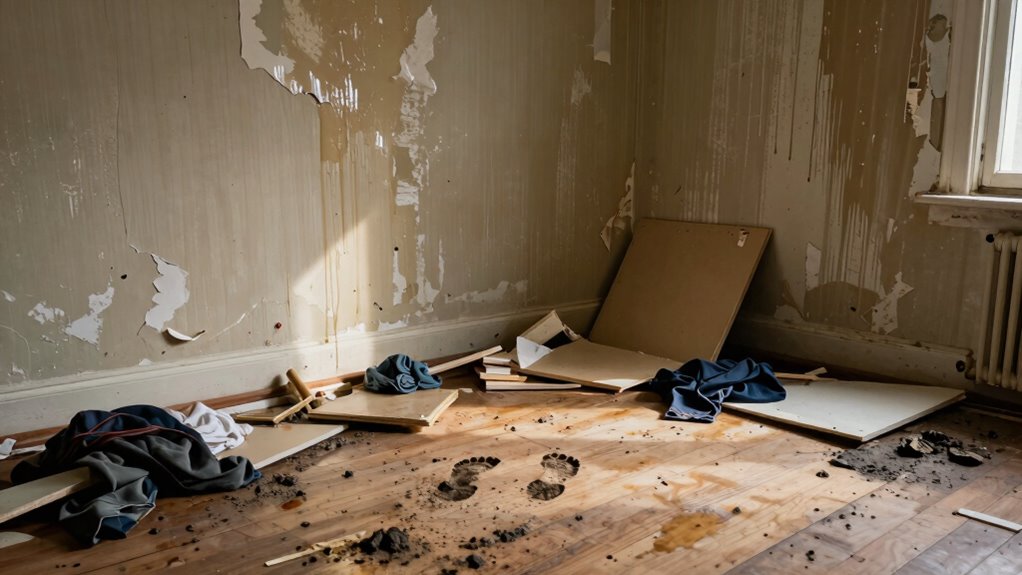

Flood cleanup teaches you that acting quickly to remove moisture is vital to prevent lasting damage and mold growth. Water seeps into walls, floors, and belongings, so prompt drying with fans, dehumidifiers, and ventilation is essential. Delaying allows moisture to weaken structures, damage possessions, and increase repair costs. The sooner you address water, the better your chances of protecting your home’s integrity and indoor air quality. Keep going to discover how timely action makes all the difference.

Get garden gear delivered free — and shop member deals
- Fast, free delivery on millions of items
- Access to Prime Big Deal Days deals on October 6–7
- Prime Video, Amazon Music and more included
Key Takeaways
- Immediate removal of water limits moisture penetration, preventing mold growth and structural damage.
- Delayed cleanup allows moisture to seep deeper, increasing repair costs and health risks.
- Proper drying techniques, including fans and dehumidifiers, are essential to eliminate hidden moisture.
- Moisture persists after floodwaters recede, requiring prompt testing and targeted drying efforts.
- The longer moisture remains, the greater the risk of long-term damage and compromised indoor air quality.
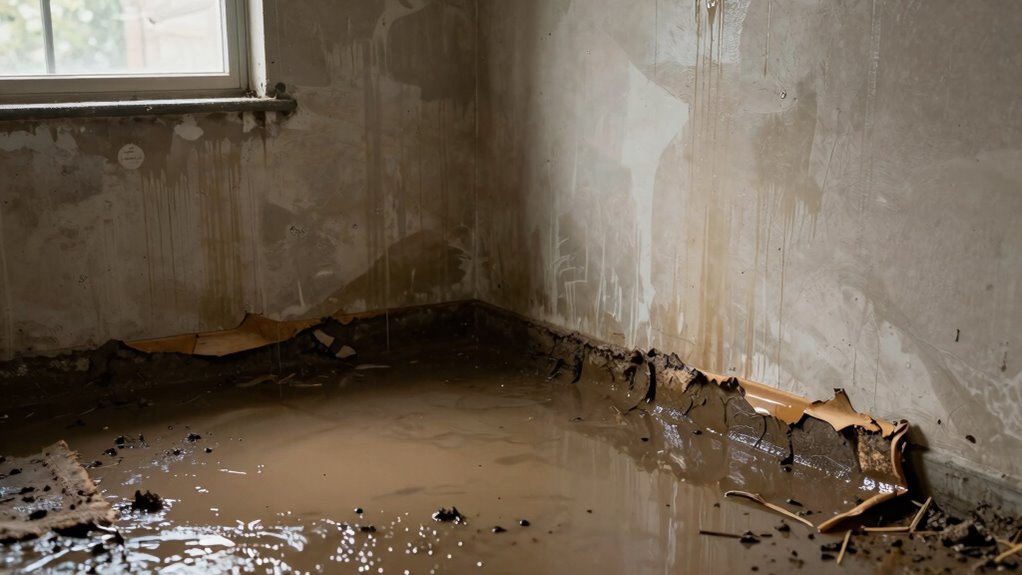
Have you ever wondered what the most important lessons are after a flood? One thing’s clear: the way water damage impacts your home isn’t just about the immediate mess. It’s about the ongoing effects that moisture leaves behind—effects that can worsen if you don’t act quickly. When floodwaters invade, they don’t just cause surface damage; they seep into walls, floors, and furniture, creating a perfect environment for mold growth. This makes water damage a ticking clock, emphasizing the importance of swift and thorough cleanup. The longer moisture lingers, the higher the risk of mold developing, which can lead to health problems and costly repairs. That’s why understanding the relationship between moisture and time is vital in flood cleanup.
The first lesson you learn is that moisture doesn’t evaporate on its own or simply disappear once floodwaters recede. Instead, it seeps deep into materials, and if you don’t remove it promptly, it becomes a breeding ground for mold. Mold prevention hinges on controlling moisture levels quickly, which means drying out affected areas as soon as possible. Using industrial fans, dehumidifiers, and proper ventilation can considerably reduce the moisture content in your home. The goal isn’t just to dry surfaces but to eliminate the hidden pockets of dampness that foster mold growth. Every hour that passes without proper drying increases the risk of mold spores settling and multiplying, which can compromise indoor air quality and damage your belongings. Additionally, understanding how water chemistry affects mold growth can help you implement more effective cleanup strategies. Recognizing the role of moisture control is essential to preventing long-term damage. Proper drying techniques are also crucial, as they can prevent residual moisture from lingering unnoticed. Implementing moisture testing methods can help identify areas that need additional attention before lasting harm occurs. Being aware of building materials and how they respond to water can also guide more targeted drying efforts.
Another key lesson is that time is your adversary when it comes to water damage. The longer you delay, the more structural materials weaken. Wood swells and warps, drywall deteriorates, and even paint can peel. This ongoing deterioration can escalate repair costs and prolong the recovery process. Acting quickly also minimizes water damage to personal possessions, including furniture, clothing, and electronics. The sooner you begin cleanup, the better your chances of salvaging these items. The process of thorough inspection and moisture testing is crucial to identify hidden problems that might not be immediately visible. If you catch the problem early, you can prevent small issues from turning into major repairs later. Incorporating indoor air quality considerations into your cleanup efforts can also help reduce health risks associated with mold spores and other pollutants. Addressing moisture issues promptly and thoroughly can significantly contribute to maintaining a healthy indoor environment, especially after a flood.
Ultimately, flood cleanup teaches you that moisture and time are intertwined in shaping your home’s recovery. Immediate action to remove water and dry out your space is the best way to prevent mold and long-term damage. Recognizing this connection helps you prioritize your efforts and protect your home’s structure, your health, and your peace of mind.
As an affiliate, we earn on qualifying purchases.
Frequently Asked Questions
How Quickly Should I Start Flood Cleanup After a Flood?
You should start flood cleanup immediately after the floodwaters recede. Quick action minimizes damage and prevents mold growth. Conduct a flood damage assessment to identify priority areas and hazards. Emergency preparedness is essential—gather supplies and plan your steps. Prompt cleanup reduces moisture, which is important since moisture and time accelerate deterioration and mold. Acting swiftly helps protect your property and health, ensuring you manage the situation effectively.
What Are Common Signs of Hidden Moisture After Flooding?
You should look for hidden pockets of moisture after flooding because they can cause ongoing damage. Common signs include musty odors, warped walls, or peeling paint. Use moisture detection tools like moisture meters or infrared cameras to find concealed dampness behind walls or under floors. If you notice these signs, act quickly to dry out affected areas and prevent mold growth, which thrives in hidden, moist environments.
Can Mold Develop if Moisture Is Not Properly Dried?
Yes, mold can develop if moisture isn’t properly dried after flooding. To prevent this, you need effective mold prevention strategies, which include thorough drying techniques. You should use dehumidifiers and fans to remove excess moisture from affected areas and guarantee all surfaces are completely dry. Ignoring proper drying can create an ideal environment for mold growth, so act quickly and carefully to eliminate moisture and protect your home’s health.
What Tools Are Essential for Effective Flood Cleanup?
Did you know that proper flood cleanup can prevent mold growth and save thousands in repairs? Essential tools include commercial-grade dehumidifiers, powerful wet/dry vacuums, moisture meters, and cleaning supplies. Using effective equipment guarantees thorough drying and minimizes health risks. Always follow safety precautions, such as wearing gloves and masks, to protect yourself from contaminants. These tools and precautions help you restore your space safely and efficiently.
How Long Does It Take to Fully Dry a Flooded Property?
It typically takes several days to a week to fully dry a flooded property, depending on the extent of water damage and drying techniques used. You should use powerful fans, dehumidifiers, and thorough venting to speed up the process. Keep monitoring moisture levels with specialized tools, and guarantee all affected areas reach safe levels. Proper drying prevents mold growth and structural issues, making it essential to be patient and diligent.
Conclusion
So, after all this, it’s ironic how flood cleanup teaches you that moisture’s true enemy isn’t just water, but time itself. The longer you delay, the more your home becomes a breeding ground for mold and decay. You’d think swift action would save the day, but sometimes, it’s in the waiting — the careful, patient drying — that you truly win. Who knew that patience, in the end, is the most powerful weapon against flood’s silent destruction?
Fall Picks
fall essentials
As an affiliate, we earn on qualifying purchases.