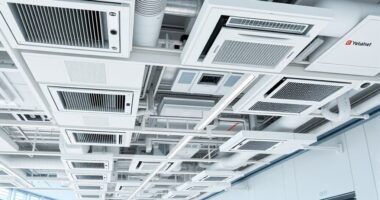
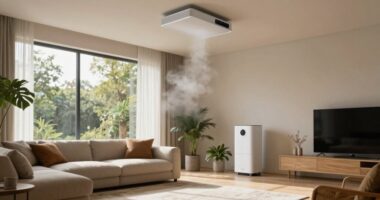
If you use fresh-air intakes, you need a pollution plan to protect indoor air quality. Outdoor pollutants like dust, pollen, and vehicle emissions can enter and circulate inside, affecting your health and comfort. To prevent this, you should implement filtration systems, regularly maintain filters, and monitor outdoor air conditions. Ensuring your ventilation system is properly sealed and evaluated also helps keep harmful particles out. Keep these steps in mind to maintain a safe environment—there’s more to learn on how to do it effectively.

Get garden gear delivered free — and shop member deals
- Fast, free delivery on millions of items
- Access to Prime Big Deal Days deals on October 6–7
- Prime Video, Amazon Music and more included
Key Takeaways
- Outdoor pollutants can enter through fresh-air intakes, impacting indoor air quality and occupant health.
- Implementing a pollution plan helps manage and reduce outdoor contaminant infiltration.
- Regular filter maintenance ensures effective removal of airborne particles from incoming fresh air.
- Monitoring outdoor air quality allows timely adjustments to ventilation practices.
- Proper system sealing and evaluation prevent outdoor pollutants from bypassing filtration.
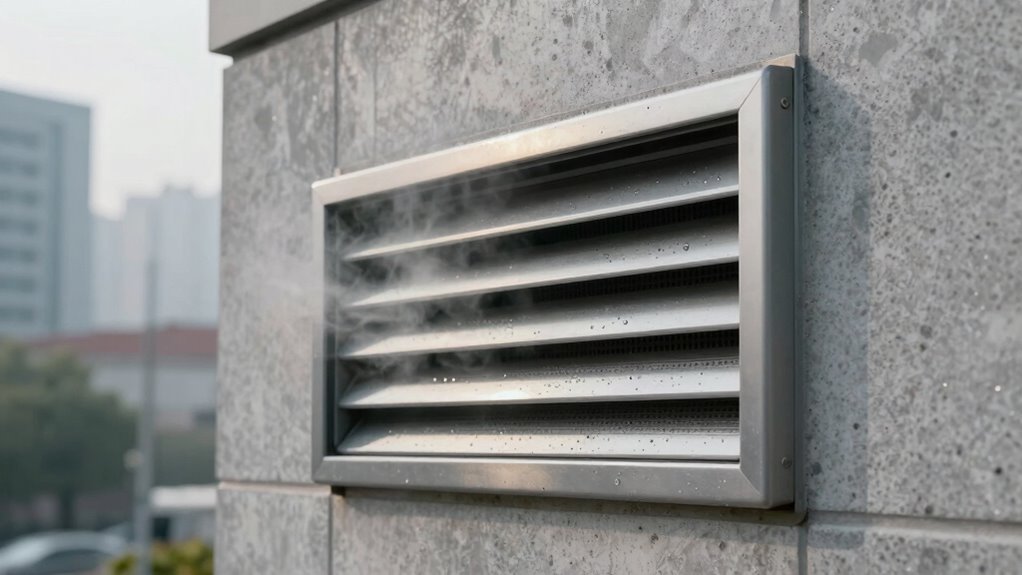
While fresh-air intakes bring in much-needed outdoor air, they can also introduce pollutants that compromise indoor air quality. When you rely on ventilation systems to bring in fresh air, you might unintentionally bring in dust, pollen, vehicle emissions, or other airborne contaminants. These particles can quickly circulate inside, affecting your health and comfort. That’s why having a pollution plan for your fresh-air intakes isn’t just smart; it’s vital for maintaining healthy indoor air quality.
Fresh-air intakes can introduce pollutants, making a pollution plan essential for healthy indoor air quality.
To keep pollutants at bay, you need effective filtration systems in place. These systems act as barriers, trapping harmful particles before they make their way into your indoor environment. High-quality filters, such as HEPA filters, are particularly effective at capturing fine particles like allergens, bacteria, and pollution from outdoor sources. When you install these filters in your ventilation system, you markedly reduce the risk of indoor air becoming contaminated. Regular maintenance and timely replacement of filters are critical to ensure they function properly. A clogged or dirty filter not only reduces air quality but also strains your HVAC system, increasing energy costs. Additionally, understanding the outdoor air quality can help you better manage your ventilation practices. Monitoring outdoor conditions with air quality data provides valuable insights that can guide your ventilation adjustments. Incorporating air quality monitoring devices can further optimize your pollution plan by providing real-time data on outdoor conditions. These tools enable you to react swiftly and adapt your ventilation strategy to current environmental factors.
Furthermore, evaluating your ventilation system design and ensuring it’s properly sealed can prevent the infiltration of outdoor pollutants.
As an affiliate, we earn on qualifying purchases.
Frequently Asked Questions
How Often Should I Inspect My Fresh-Air Intake Filters?
You should inspect your fresh-air intake filters at least once a month to guarantee ideal air quality. Regular air filter maintenance helps prevent dust, pollutants, and allergens from entering your space. If you notice excessive dirt or reduced airflow, consider upgrading your ventilation system or replacing filters more frequently. Proper maintenance keeps your system efficient and protects your indoor environment from pollution, especially during high pollution periods or after any ventilation system upgrades.
Can Pollution From Nearby Sources Affect Indoor Air Quality?
Yes, outdoor pollutants from nearby sources can definitely impact indoor air quality. When outdoor air contains pollutants like vehicle emissions, smoke, or chemicals, these can enter through fresh-air intakes, lowering indoor air quality. To safeguard yourself, regularly inspect and maintain your filters, and consider installing air purifiers or filters that trap outdoor pollutants. This proactive approach helps guarantee cleaner indoor air despite outdoor pollution sources.
Are There Specific Pollution Levels That Require Intake Adjustments?
You should adjust your fresh-air intake when air quality standards are compromised. Pollution thresholds can vary, but if pollutant levels near your intake approach or exceed these limits, it signals trouble. Ignoring these signs risks indoor air quality. Keep vigilant—monitor local air quality reports and sensors regularly. When thresholds are breached, it’s time to tighten intake controls, protecting yourself from harmful pollutants lurking outside your fresh air source.
What Are the Health Risks of Polluted Fresh-Air Intakes?
Polluted fresh-air intakes expose you to airborne toxins, which can cause respiratory issues, allergies, and long-term health problems. Breathing in contaminated air strains your lungs and immune system, increasing health risks. To protect yourself, make certain filters are regularly maintained, as this improves filter longevity and reduces toxin intake. Proper filtration minimizes airborne toxins, helping you breathe cleaner air and lowering health risks associated with pollution.
How Do I Choose the Best Pollution Mitigation System?
Choosing the best pollution mitigation system can feel like steering through a labyrinth of options, but focus on indoor air quality and advanced filtration technology. You want a system that filters out the tiniest particles and harmful gases with precision. Look for high-efficiency filters, such as HEPA or activated carbon, and make certain the system is adaptable to your space. Prioritize reliability and ongoing maintenance to keep your air truly clean and safe.
Conclusion
Remember, when you open a fresh-air intake, it’s like inviting a breeze into your home — but that breeze can carry more than just clean air. Without a pollution plan, you’re letting in unseen dangers that settle quietly, like dust on a windowsill. Think of your ventilation system as a garden; without proper care, weeds grow. Protect your space by planning ahead, ensuring that every breath you take is as pure as a clear morning sky.
Fall Picks
fall essentials
As an affiliate, we earn on qualifying purchases.