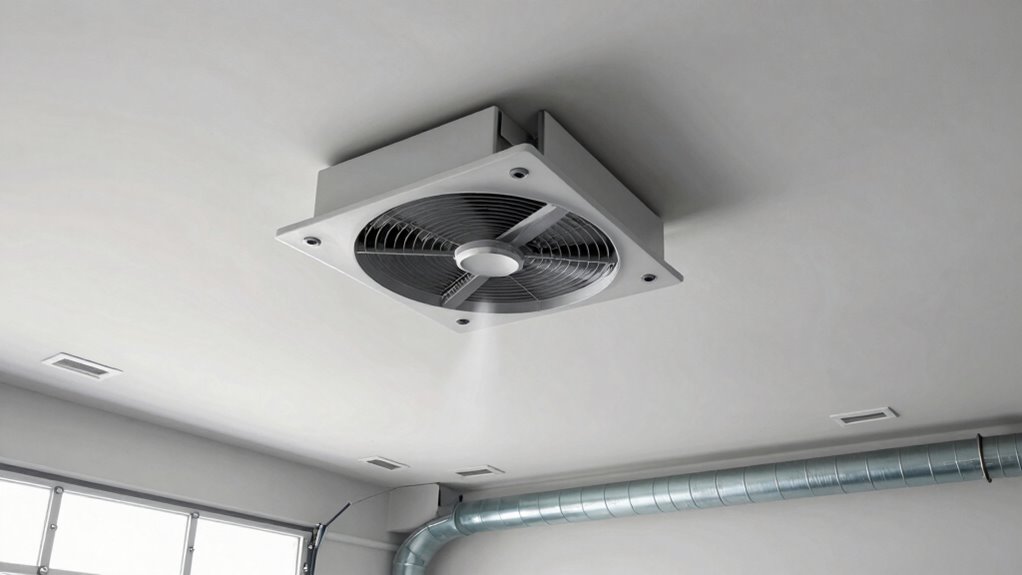

Garage exhaust systems are designed to quickly remove harmful fumes, chemicals, and exhaust gases to keep the air safe to breathe. Basement ventilation focuses on controlling moisture, preventing mold, and avoiding structural damage. They target different problems—garages focus on air quality from fumes, while basements manage humidity and dampness. Understanding these differences helps you protect your home effectively. If you want to learn more about how these systems work together, keep exploring.

Get garden gear delivered free — and shop member deals
- Fast, free delivery on millions of items
- Access to Prime Big Deal Days deals on October 6–7
- Prime Video, Amazon Music and more included
Key Takeaways
- Garage exhaust systems focus on removing harmful fumes, chemicals, and carbon monoxide quickly to ensure air safety.
- Basement ventilation mainly controls moisture, preventing mold growth and structural damage from dampness.
- Garage systems use powerful fans and sensors for rapid pollutant removal; basements often employ passive or dehumidifier-based solutions.
- Proper ventilation in garages prioritizes air quality for health, while basement systems emphasize moisture and mold prevention.
- Each system addresses distinct environmental risks, tailoring solutions to their specific indoor air quality challenges.
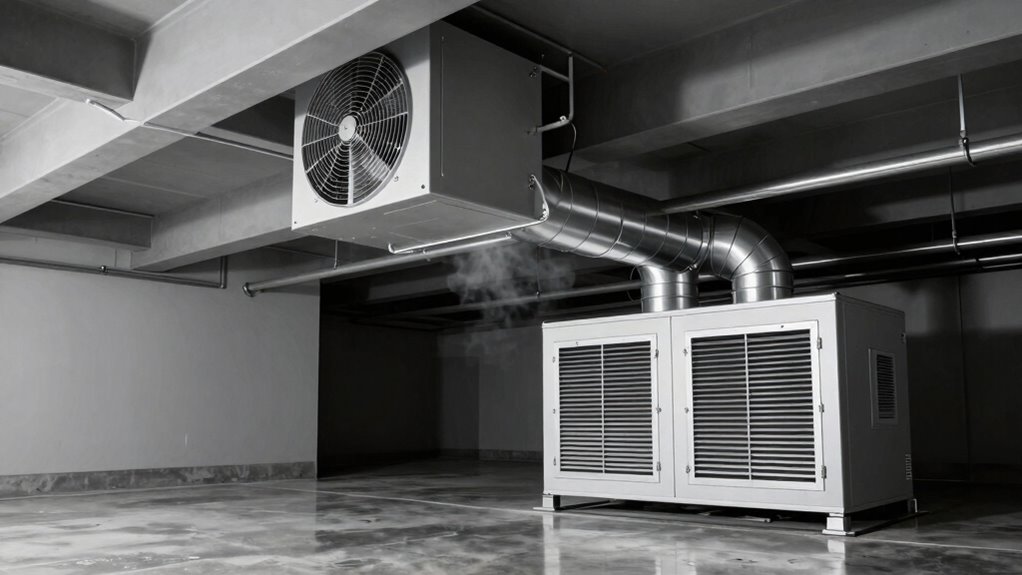
While both garage exhaust systems and basement ventilation address indoor air quality, they serve different purposes and are designed to solve distinct problems. When it comes to garages, the primary concern is often the buildup of harmful fumes, chemicals, and exhaust gases from vehicles or machinery. A garage exhaust system helps remove these pollutants efficiently, ensuring the air remains safe to breathe. Proper ventilation in this space also prevents the accumulation of carbon monoxide, which is odorless and deadly in high concentrations. By actively pulling contaminated air out and replacing it with fresh outside air, you reduce health risks and improve overall air quality.
In contrast, basement ventilation focuses more on moisture control and preventing mold growth. Basements are prone to dampness because they are partially or fully below ground, making them susceptible to humidity issues. Excess moisture can lead to mold, mildew, and wood rot, which not only damage your property but also compromise indoor air quality. Adequate basement ventilation helps regulate humidity levels, allowing moist air to escape and dry, fresh air to enter. This process prevents the environment from becoming a breeding ground for mold spores and musty odors, which can worsen allergies and respiratory problems. Additionally, proper ventilation can also help in reducing indoor pollutants that originate from the soil or building materials. Installing moisture control systems can further enhance the effectiveness of basement ventilation. Recognizing the importance of indoor air quality is essential for maintaining a healthy home environment. Properly designed ventilation can also assist in managing air circulation, ensuring fresh air distribution throughout the space. It’s also beneficial to understand that air quality monitoring devices can help detect issues early, keeping your home safer.
You’ll find that garage exhaust systems are typically designed with powerful fans and ductwork that target specific fumes, ensuring rapid removal of airborne pollutants. They often operate automatically when sensors detect dangerous levels of gases, offering continuous protection without your constant oversight. Meanwhile, basement ventilation usually involves passive systems like vents or windows, or active systems such as exhaust fans or dehumidifiers. These tools work to reduce moisture, keeping the space dry and comfortable.
It’s important to remember that both systems contribute to a healthier indoor environment, but they do so in different ways. For your garage, the focus must be on removing airborne contaminants and fumes to safeguard your health. For your basement, the emphasis is on moisture management to prevent structural issues and improve air quality by reducing mold and mildew. Implementing the right system for each space helps you maintain a safe, comfortable home. Properly designed ventilation ensures your garage remains free of harmful gases, while your basement stays dry and mold-free, creating a healthier living environment overall.
garage exhaust fan with carbon monoxide sensor
As an affiliate, we earn on qualifying purchases.
As an affiliate, we earn on qualifying purchases.
Frequently Asked Questions
How Often Should Garage Exhaust Systems Be Maintained?
You should perform ventilation system maintenance on your garage exhaust system at least once a year. Regular checks help guarantee your exhaust system maintains its ideal function, extending its lifespan. During maintenance, inspect for blockages, wear, or damage, and clean or replace parts as needed. Proper upkeep not only keeps the air safe but also prevents costly repairs, ultimately ensuring your exhaust system continues to serve effectively over time.
Can Basement Ventilation Help With Mold Prevention?
Like the steady breath of a vigilant guardian, basement ventilation can indeed help prevent mold growth. By improving air circulation through effective ventilation techniques, you reduce excess humidity that mold spores thrive on. This continuous airflow keeps surfaces dry and discourages mold development. Think of it as giving your basement a gentle, constant breeze—protecting your home’s foundation and ensuring a healthier, mold-free environment.
Are There Different Ventilation Requirements for Attached and Detached Garages?
Yes, there are different ventilation requirements for attached and detached garages. For attached garages, you need to prioritize garage safety by following ventilation standards that prevent harmful fumes from entering your home. Detached garages typically require less strict ventilation since fumes are less likely to infiltrate living spaces. Always guarantee proper airflow and exhaust systems are in place, especially for attached garages, to meet ventilation standards and protect your health.
What Are the Signs of Poor Basement Ventilation?
Like a silent sentinel, poor basement ventilation whispers its presence through musty odors and lingering dampness. You might notice mold growth, condensation on walls, or a persistent stuffy smell—clear signs your airflow efficiency is failing. If ventilation standards aren’t met, these issues worsen, risking health and structural damage. Keep an eye out for these signals, and guarantee your basement’s airflow stays healthy and compliant with proper ventilation practices.
Do Garage Exhaust Systems Affect Indoor Air Quality?
Yes, garage exhaust systems can affect indoor air quality. If not properly maintained, they may vent harmful garage odors and carbon monoxide into your home. Carbon monoxide is especially dangerous because it’s odorless and can cause health issues or even be fatal. To protect your indoor air quality, make sure your garage exhaust system is correctly installed, regularly serviced, and vented outside, preventing pollutants like garage odor and carbon monoxide from entering your living space.
Conclusion
So, whether you’re venting your garage or basement, remember they each serve distinct needs—one clears out fumes, the other manages moisture. You might think a single system could handle both, but that’s not the case. Investing in the right ventilation guarantees safety and air quality. It’s worth the extra effort and cost to protect your home and health, rather than risking damage or health issues down the line.
Fall yard work Picks
leaf blowers
As an affiliate, we earn on qualifying purchases.