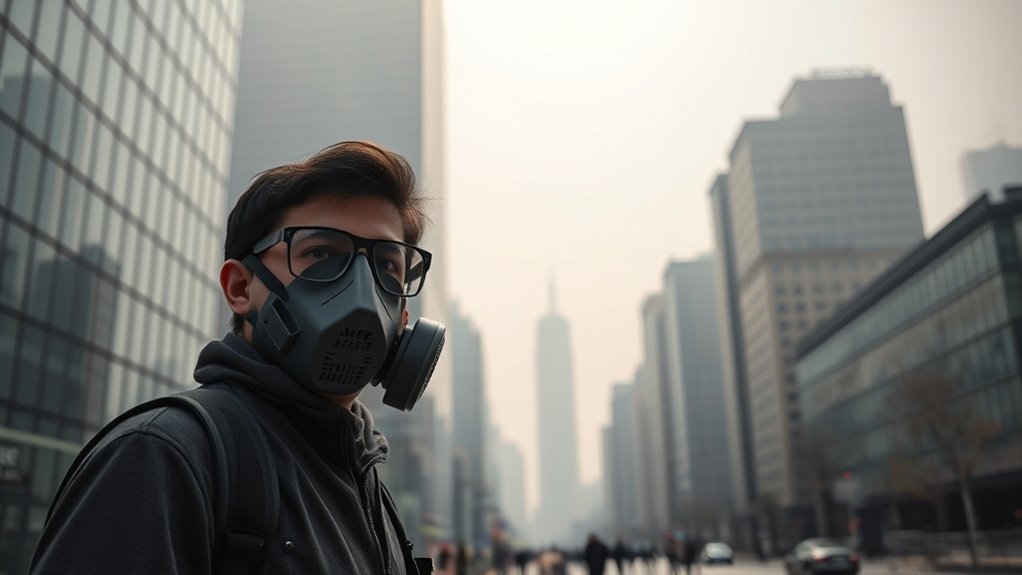

The WHO recommends keeping your annual average PM2.5 levels below 5 µg/m³ to protect your health, while the EPA sets its standard at 12 µg/m³. These guidelines are based on scientific research linking higher PM2.5 exposure to respiratory and cardiovascular problems. Staying within these limits helps reduce health risks, especially for vulnerable groups. To learn how these standards impact your daily environment and health choices, continue exploring the details.

Get garden gear delivered free with Prime
- Fast, free delivery on millions of items
- Prime Video, Amazon Music and more included
- Member-only deals all year
Key Takeaways
- WHO recommends an annual PM2.5 limit of 5 µg/m³ to minimize health risks.
- EPA’s primary annual standard for PM2.5 is set at 12 µg/m³.
- Both standards are based on scientific research linking PM2.5 levels to respiratory and cardiovascular health impacts.
- Exceeding these guidelines indicates potential health hazards, especially for vulnerable groups.
- Regularly updated standards guide public health policies and daily air quality management.
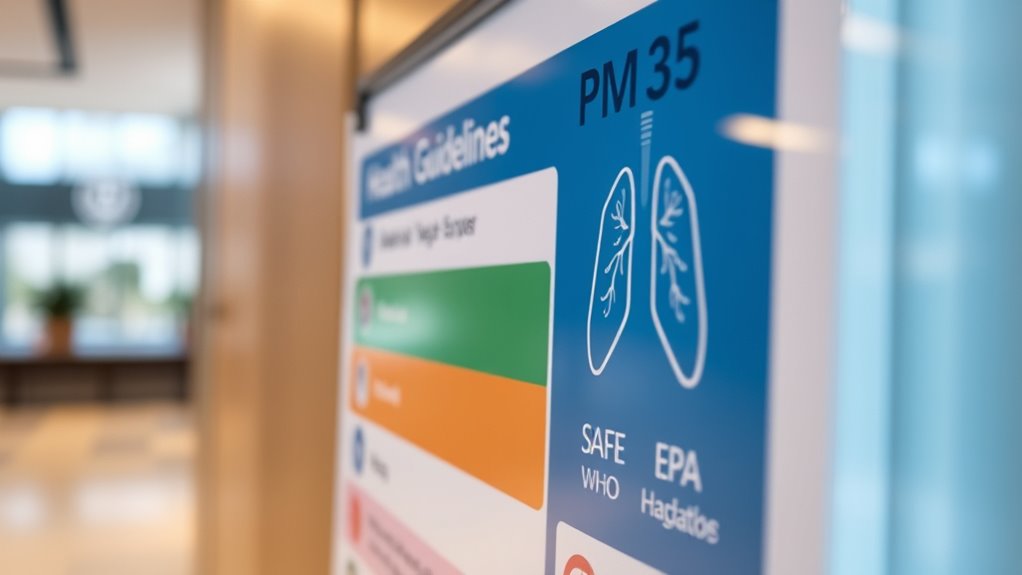
Air pollution, especially fine particulate matter known as PM2.5, poses serious health risks. These tiny particles can penetrate deep into your lungs and even enter your bloodstream, increasing the likelihood of respiratory and cardiovascular problems. To protect public health, organizations like the World Health Organization (WHO) and the Environmental Protection Agency (EPA) have established air quality standards that set safe limits for PM2.5 concentrations. These standards serve as benchmarks to guide governments and communities in managing air pollution levels and minimizing health impacts. When analyzing your local air quality, understanding these standards helps you determine whether pollution levels are safe or potentially harmful.
The WHO recommends a strict annual average PM2.5 limit of 5 micrograms per cubic meter, reflecting their commitment to reducing health risks associated with long-term exposure. In contrast, the EPA’s primary annual standard is 12 micrograms per cubic meter, which is less stringent but still aims to protect public health, especially vulnerable groups like children, the elderly, and those with pre-existing health conditions. These air quality standards are based on extensive health risk evaluations that evaluate scientific data linking PM2.5 levels to adverse health effects. Such evaluations help authorities determine what concentrations pose significant health threats and require intervention. Additionally, long-term exposure to elevated PM2.5 levels can contribute to chronic health conditions, making adherence to these standards crucial for overall well-being.
When you check air quality reports, these standards serve as a vital reference point. If the PM2.5 levels exceed the recommended limits, you should take precautions, such as limiting outdoor activities, especially during high pollution days. Knowing the air quality standards allows you to make informed decisions about your daily routines and health protection strategies. It’s also essential to recognize that these standards are not static; they evolve as new scientific evidence emerges. Continuous health risk evaluations ensure that standards remain aligned with the latest understanding of PM2.5’s health impacts, emphasizing the importance of staying updated with official air quality alerts.
As an affiliate, we earn on qualifying purchases.
Frequently Asked Questions
How Do PM2.5 Levels Vary Across Different Geographic Regions?
You’ll notice PM2.5 levels differ across regions due to urban pollution and seasonal variations. In cities, high traffic and industrial activity boost pollution, especially during colder months when heating increases emissions. Rural areas usually have lower levels, but seasonal changes like wildfires or agricultural burning can spike PM2.5. So, your exposure varies depending on where you are and the time of year, making awareness important for health.
What Are Long-Term Health Effects of PM2.5 Exposure?
Long-term exposure to PM2.5 can cause serious health issues for you. It increases your risk of chronic respiratory problems like asthma and bronchitis, making breathing difficult over time. It also raises your chances of cardiovascular risks, including heart attacks and strokes. Persistent inhalation of fine particles damages your lungs and blood vessels, leading to these long-term health effects. Reducing exposure is vital to protect your overall health.
How Effective Are Personal Protective Measures Against PM2.5?
Imagine your lungs as a fortress, battling tiny PM2.5 invaders. Respiratory masks act like sturdy shields, filtering out harmful particles and reducing exposure. Ventilation systems serve as vigilant guards, flushing out indoor pollutants and improving air quality. While no measure is perfect, combined use markedly lowers health risks. Staying vigilant with these protective tools helps you breathe easier and shield yourself from the invisible threat of PM2.5.
Can Indoor Air Purifiers Significantly Reduce PM2.5 Exposure?
Indoor air purifiers can markedly improve your air quality by effectively reducing PM2.5 levels. Their air purifier effectiveness depends on the device’s filter quality and proper usage. When you run a high-quality purifier, it traps fine particles, lowering your exposure and creating a healthier environment indoors. While not eliminating all pollutants, a good air purifier is a valuable tool in managing indoor air quality and protecting your health.
Are Vulnerable Populations More Affected by PM2.5 Levels?
Vulnerable populations are more affected by PM2.5 levels because health disparities often mean they have limited access to healthcare, cleaner environments, or resources to reduce exposure. You should be aware that children, the elderly, and those with pre-existing health conditions face higher risks of respiratory and cardiovascular issues. Protecting these groups involves targeted policies and community efforts to reduce PM2.5 exposure and address health disparities.
Conclusion
By following the WHO and EPA standards, you can protect yourself from PM2.5’s deadly grip. These guidelines are your shield against invisible killers that threaten your health every day. Don’t underestimate the power of clean air—it’s more essential than gold or even air itself! Stay informed, stay cautious, and breathe easier knowing you’re taking steps to beat the tiny, yet fierce, enemies invading your lungs and wellbeing.
Fall yard work Picks
leaf blowers
As an affiliate, we earn on qualifying purchases.