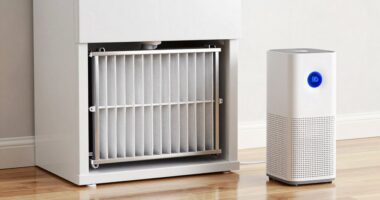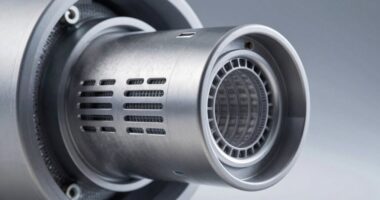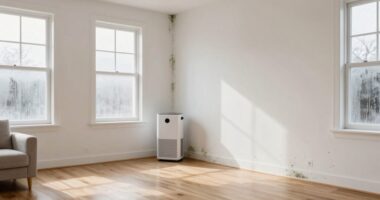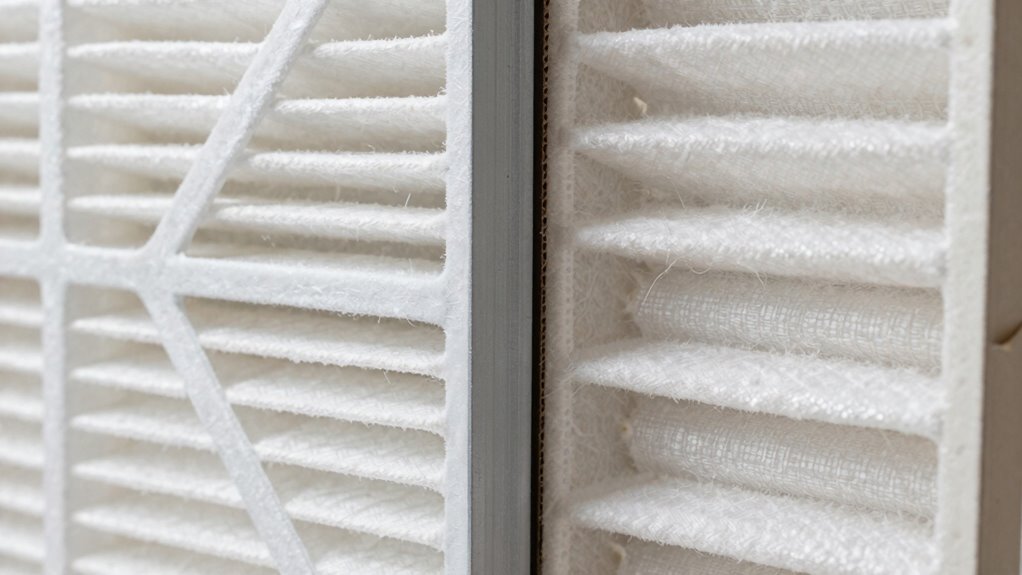
A HEPA bypass filter captures a higher percentage of tiny particles like allergens, dust, and bacteria, making it ideal if you’re sensitive or have respiratory issues. Standard furnace filters are less dense, focus on larger particles, and are easier to install and replace. They allow better airflow but don’t remove the finest pollutants as effectively. If you want to know which option fits your system and needs, keep exploring these differences.

Get garden gear delivered free — and shop member deals
- Fast, free delivery on millions of items
- Access to Prime Big Deal Days deals on October 6–7
- Prime Video, Amazon Music and more included
Key Takeaways
- HEPA bypass filters trap more microscopic particles and provide superior air purification compared to standard furnace filters.
- Standard filters are easier to install, more affordable upfront, and typically have a longer lifespan.
- HEPA filters require specific system compatibility and may reduce airflow due to their density.
- Regular replacement is necessary for both, but HEPA filters need more frequent servicing due to shorter lifespan.
- HEPA filters significantly improve indoor air quality, ideal for allergy sufferers, while standard filters support better airflow and system efficiency.
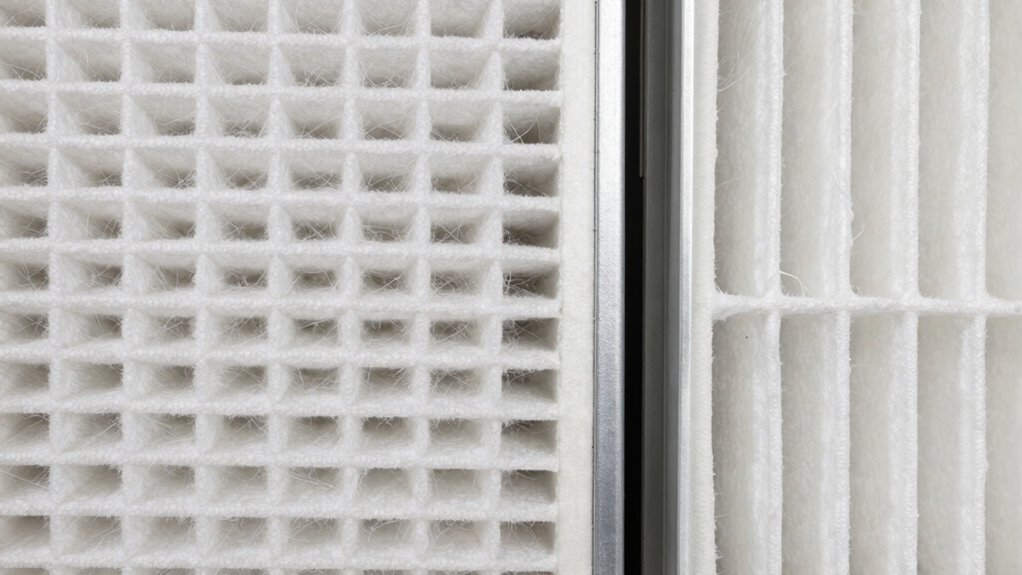
When it comes to maintaining indoor air quality, understanding the differences between a HEPA bypass filter and a standard furnace filter is essential. Your choice affects not only the air you breathe but also the efficiency and longevity of your HVAC system. A HEPA bypass filter is designed to trap a higher percentage of microscopic particles, such as allergens, dust, and bacteria, which standard filters might miss. Because of their dense filtration material, HEPA bypass filters often have a shorter air filter lifespan, meaning you’ll need to replace or service them more frequently to keep your air clean. However, they provide superior purification, making them ideal for homes with allergy sufferers or respiratory issues. Additionally, the filtration efficiency of HEPA filters is significantly higher, ensuring cleaner indoor air. Standard furnace filters, on the other hand, are usually rated for longer durations and are more straightforward to install. They are typically less dense, allowing for better airflow and less strain on your system. When considering installation considerations, a standard filter is usually easier to fit into existing setups since they come in a variety of sizes and are less restrictive. They also tend to be more affordable upfront, making them an attractive choice for many homeowners. Still, their lower filtration efficiency means they may not remove the finest particles, and their air filter lifespan can vary depending on the filter’s quality and the home’s environment. Regular replacement is necessary to avoid reduced airflow and system strain. Understanding air filtration technology can help you make more informed decisions about which filter best suits your needs. Additionally, factors like filter media density influence how well a filter performs and how long it lasts. Recognizing the filter material properties can help you understand their filtration capabilities better. For example, advancements in filter media development have led to more effective and durable filters. Conversely, if you want a simple, cost-effective solution that offers decent filtration and easier installation, a standard furnace filter might suffice. It’s important to consider your home’s specific needs, your health concerns, and your system’s compatibility. Regularly checking your filter’s condition and adhering to recommended replacement schedules ensures optimal performance, regardless of which filter type you choose. Ultimately, understanding the differences in air filter lifespan and installation considerations helps you make informed decisions that improve indoor air quality without compromising your system’s efficiency.
As an affiliate, we earn on qualifying purchases.
Frequently Asked Questions
Can a HEPA Bypass Filter Be Used in Any HVAC System?
You can’t use a HEPA bypass filter in any HVAC system without considering airflow restrictions and filter installation. These filters are dense and may block airflow if your system isn’t designed for them, causing strain on your blower. Before installing, check if your system can handle the increased resistance. Proper filter installation is vital to guarantee efficient operation and avoid damage, so consult your HVAC professional first.
What Is the Cost Difference Between HEPA Bypass and Standard Filters?
Surprisingly, a HEPA bypass filter costs quite a bit more than standard filters, often double or triple the price. This means you might pay more upfront, but it’s worth it for better air quality. Keep in mind, these filters require more frequent filter maintenance, making the ongoing costs higher. If you value cleaner air, that extra investment could be a small price to pay for healthier indoor air quality.
How Often Should HEPA Bypass Filters Be Replaced?
You should replace your HEPA bypass filter every 6 to 12 months, depending on your home’s air quality and usage. Regularly checking its filter lifespan is essential for maintaining peak performance. Follow a maintenance schedule that considers factors like pet dander, allergies, and indoor pollutants. If you notice reduced airflow or increased dust, it’s time for a replacement. Staying on top of these intervals keeps your system efficient and air clean.
Do HEPA Bypass Filters Improve Allergy Symptoms More Than Standard Filters?
Yes, HEPA bypass filters can improve allergy relief more than standard filters because they are more effective at capturing tiny particles like pollen, pet dander, and dust mites. While standard filters trap larger debris, HEPA bypass filters enhance filter effectiveness by targeting smaller allergens. This means you breathe cleaner air, reducing allergy symptoms. However, make sure your HVAC system supports HEPA bypass filters for maximum performance and allergy relief.
Are HEPA Bypass Filters Compatible With Existing Furnace Models?
HEPA bypass filters are generally compatible with most existing furnace models, but you should check your unit’s airflow efficiency and filter installation instructions first. These filters often fit into standard filter slots, making installation straightforward. However, because they can restrict airflow if not properly installed or if your system isn’t designed for high-efficiency filters, it’s wise to confirm compatibility and verify your furnace can handle the increased filtration demand.
Conclusion
Choosing between a HEPA bypass and a standard furnace filter depends on your air quality needs, your budget, and your home’s specifics. While a HEPA bypass offers superior filtration for allergens and pollutants, a standard filter provides basic protection at a lower cost. Consider your priorities carefully—whether it’s filtering out tiny particles, improving overall airflow, or balancing cost and efficiency. Ultimately, selecting the right filter helps you breathe cleaner air, enjoy better health, and create a healthier home environment.
Fall Picks
fall essentials
As an affiliate, we earn on qualifying purchases.