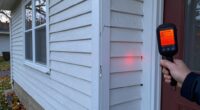
High-rise apartments have their own air rules to guarantee you enjoy a healthy, comfortable living space. Since shared ventilation and HVAC systems circulate air throughout the building, proper management is essential to prevent pollutants like dust, odors, and smoke from spreading. Restrictions on blocking vents, smoking, and strong cleaners help maintain good indoor air quality for everyone. To learn more about how these rules keep your environment safe and comfortable, keep exploring the details behind these guidelines.

Get garden gear delivered free with Prime
- Fast, free delivery on millions of items
- Prime Video, Amazon Music and more included
- Member-only deals all year
Key Takeaways
- To prevent indoor air pollution from affecting residents’ health and comfort.
- Because centralized ventilation systems require proper management to ensure effective airflow.
- To avoid disruptions in air circulation caused by blocking vents or modifying HVAC components.
- To reduce the spread of odors, smoke, and allergens through shared ducts and spaces.
- To comply with building standards that prioritize healthy indoor air quality for all residents.
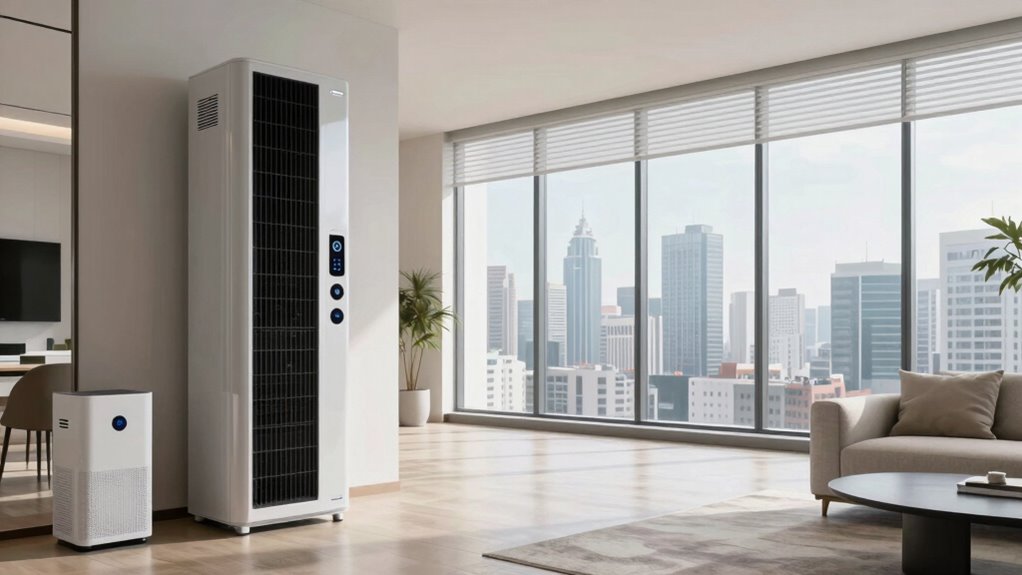
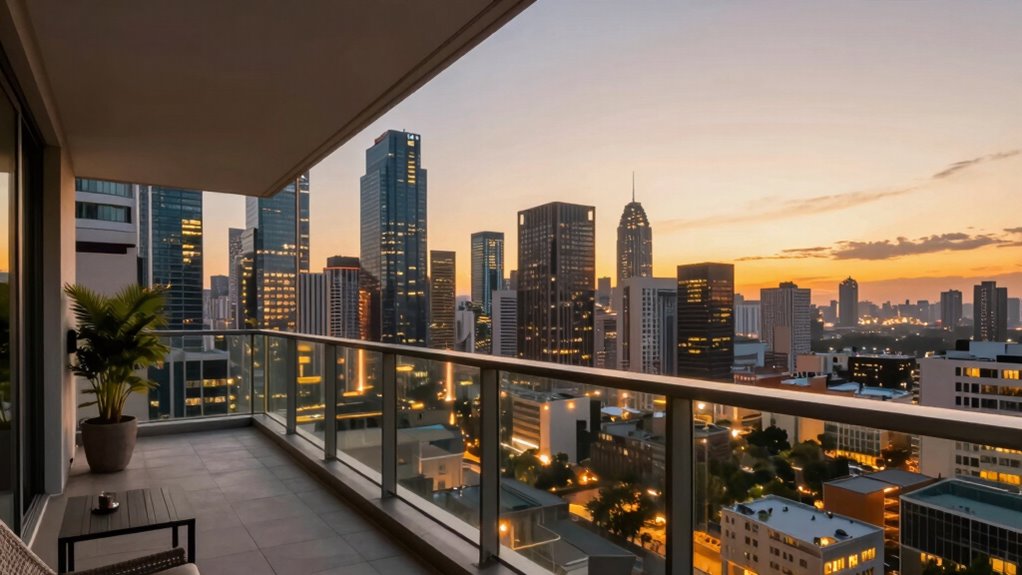
Living in a high-rise apartment offers stunning views and convenient amenities, but it also comes with specific air rules you need to follow to guarantee a healthy and comfortable environment. One of the most vital aspects is maintaining good indoor air quality, which directly impacts your health and well-being. Unlike houses, high-rise apartments often rely on centralized ventilation systems that control airflow and help filter out pollutants. Because of this, understanding how these systems work and the rules around them is essential for keeping your living space fresh and safe.
Ventilation systems in high-rise buildings are designed to circulate air efficiently, preventing the buildup of indoor pollutants such as dust, mold, and volatile organic compounds. These systems often include HVAC units that regulate temperature and humidity while filtering incoming air. As a resident, you need to be mindful of how you manage these systems. For example, blocking vents or closing windows tightly can interfere with airflow, reducing the effectiveness of the ventilation and compromising indoor air quality. High-rise apartments typically have strict guidelines about not obstructing air vents or altering HVAC settings, because even small changes can disrupt the building’s air balance.
Proper management of ventilation and HVAC systems is essential for maintaining healthy indoor air quality in high-rise apartments.
Another reason for specific air rules is that high-rise buildings tend to have limited natural ventilation compared to houses with yards or open windows. To compensate, building management often mandates regular maintenance of ventilation systems and advises residents on best practices. You might be asked to avoid using strong-smelling cleaning products or aerosols that can quickly pollute indoor air and overwhelm the filtration systems. Proper use of ventilation systems is vital to prevent stale air, musty odors, and airborne allergens from lingering in your apartment. Additionally, proper ventilation, which includes understanding how airflow management impacts indoor air quality, can help reduce the concentration of indoor pollutants, creating a healthier indoor environment for everyone. It’s also important to recognize that air quality standards are in place to protect residents from potential health hazards associated with poor indoor air. Moreover, ensuring adequate air exchange rates helps maintain these standards and prevent indoor air from becoming stagnant.
Furthermore, residents should be aware that air filtration plays a crucial role in removing airborne contaminants, especially in densely populated buildings. Living in a high-rise also means that your actions can impact your neighbors’ indoor air quality. For example, smoking indoors is typically prohibited because the smoke can easily drift through shared ducts or open windows, affecting others’ living environments. Additionally, keeping your apartment well-ventilated, especially when cooking or using chemical cleaners, helps maintain a healthy air environment not just for you but for everyone in the building.
air vent covers for high-rise apartments
As an affiliate, we earn on qualifying purchases.
As an affiliate, we earn on qualifying purchases.
Frequently Asked Questions
How Are Air Quality Standards Enforced in High-Rise Buildings?
You’re protected by strict air quality standards in high-rise buildings, enforced through regular inspections and monitoring. Indoor air pollution is managed with advanced ventilation technology that guarantees fresh air circulation and removes contaminants. Building management often conducts air quality assessments, and residents can report issues. These measures help maintain safe, healthy indoor environments, preventing indoor air pollution from compromising your health and ensuring compliance with established standards.
What Are the Health Impacts of Poor Air Circulation in Apartments?
Poor air circulation in your apartment can lead to increased indoor pollutants, causing respiratory issues, allergies, and fatigue. Ventilation challenges trap toxins and moisture, fostering mold growth and reducing air quality. You may notice headaches, congestion, or asthma flare-ups. To improve health, guarantee proper ventilation, open windows regularly, and use air purifiers. Addressing these issues helps maintain a healthier living environment and reduces the risks associated with poor indoor air quality.
Can Residents Install Their Own Air Filtration Systems?
Like Pandora opening her box, you can install your own air filtration systems, but you should check with your building’s rules first. Personal filtration and DIY air systems can improve air quality, yet they might conflict with existing regulations or cause issues with shared ventilation. Always research and consult management to guarantee your efforts don’t backfire, keeping your space safe and compliant while breathing easier.
How Do Building Designs Influence Airflow and Ventilation?
Building designs greatly influence airflow and ventilation through building aerodynamics and ventilation architecture. You’ll notice that tall structures often have aerodynamic shapes to reduce wind resistance and improve airflow. Additionally, ventilation architecture incorporates strategically placed vents, windows, and mechanical systems to promote fresh air circulation and prevent stagnation. These design features guarantee efficient airflow, enhance indoor air quality, and make high-rise living more comfortable and healthier for residents.
Are There Legal Penalties for Violating Air Rules in High-Rises?
Violating air rules in high-rises can lead to legal penalties, as building codes and ventilation policies are strict regulations you must guarantee. You might face fines, warnings, or even legal action if you disregard these rules. While safety and air quality are priorities, ignoring them risks penalties that could impact your tenancy or property standing. Adhering to these rules ensures you’re compliant and helps maintain a healthy, safe environment for everyone.
Conclusion
Living in a high-rise apartment means maneuvering unique air rules designed to guarantee your safety and comfort. Did you know that over 60% of high-rise buildings have specific regulations for air quality and ventilation? By understanding these rules, you can enjoy cleaner, healthier air and a more pleasant living environment. Embrace these guidelines, and you’ll find your high-rise home is not just stylish but also safe and comfortable for you and your family.
Fall Picks
fall essentials
As an affiliate, we earn on qualifying purchases.