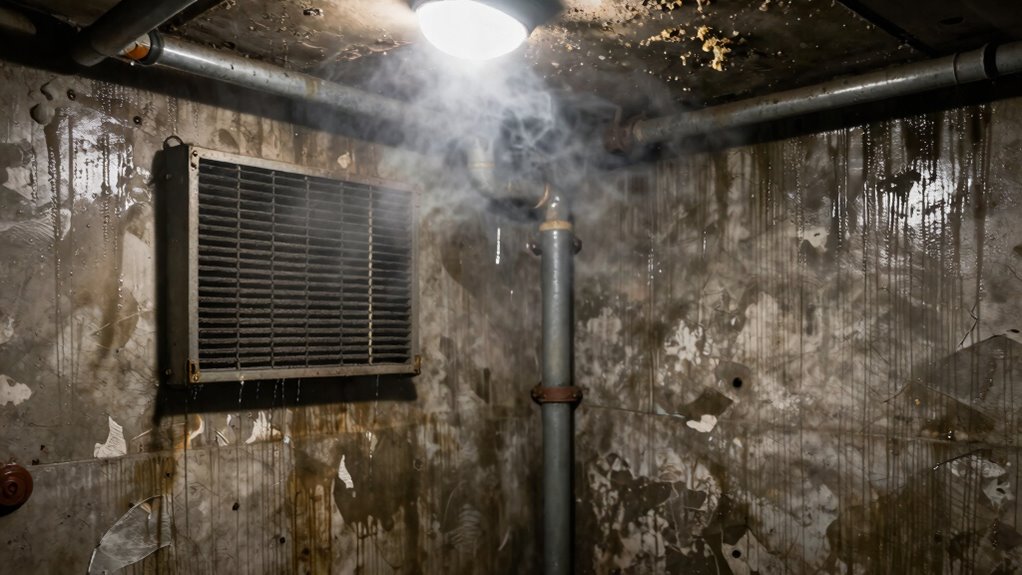

High humidity in your basement creates an environment full of airborne particles like mold spores and bacteria, which makes your air filters work harder and clog faster. It also promotes mold growth inside the system, reducing filter effectiveness and lifespan. As filters become overwhelmed with allergens and contaminants, they need frequent replacement. Keeping humidity in check slows down this process and helps your filters last longer. If you want to understand how to better protect your filters, keep exploring these helpful insights.

Get garden gear delivered free — and shop member deals
- Fast, free delivery on millions of items
- Access to Prime Big Deal Days deals on October 6–7
- Prime Video, Amazon Music and more included
Key Takeaways
- High humidity promotes mold growth that clogs and saturates filters, reducing their effectiveness.
- Moisture increases airborne contaminants, causing filters to work harder and wear out faster.
- Elevated humidity levels lead to more allergens like dust mites and pet dander, overloading filters.
- Saturated filters lose filtration capacity, necessitating frequent replacements and increasing costs.
- Proper humidity control slows pollutant buildup, extending filter lifespan and improving indoor air quality.
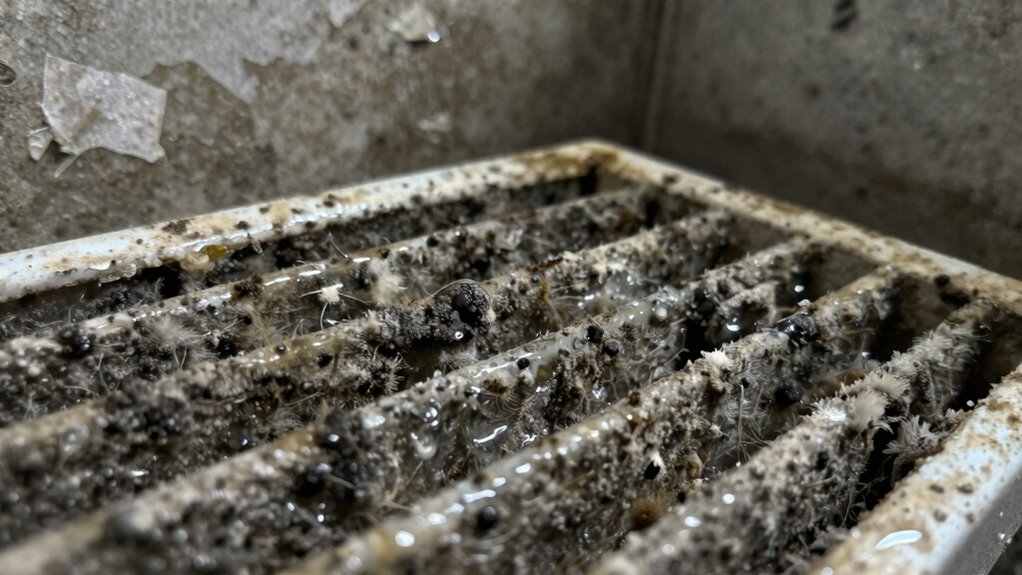
If your basement is humid, it can substantially shorten the lifespan of your air filters. Humidity creates an environment where airborne particles, including mold spores and bacteria, thrive. As these contaminants increase, your air filters work harder to trap them, causing them to clog faster. This means you’ll need to replace your filters more often, which can get expensive and inconvenient. More importantly, the reduced efficiency of your filters directly impacts your indoor air quality, making it harder to breathe healthy, clean air inside your home.
High basement humidity shortens filter life and harms indoor air quality.
High humidity levels in your basement also promote mold growth on surfaces and within the air circulation system. Mold spores are microscopic, and if your filters are working overtime to catch these spores, they’ll reach their capacity quickly. Once filters become saturated with mold and other pollutants, their ability to filter effectively diminishes. This not only shortens their lifespan but also compromises mold prevention efforts, risking the spread of mold spores throughout your home. Mold can cause health issues, especially for allergy sufferers or those with respiratory conditions, making it vital to maintain ideal air quality.
In addition to mold, increased humidity leads to a higher concentration of dust mites, pet dander, and other allergens that settle in the air. Your filters are tasked with capturing these allergens to keep the air clean, but when humidity is high, they get overwhelmed sooner. This overload accelerates the need for replacements and reduces your system’s ability to improve air quality consistently. As a result, you might notice an increase in allergy symptoms or respiratory discomfort, which could have been mitigated with proper humidity control and more frequent filter changes. Moreover, maintaining optimal indoor humidity levels can significantly reduce the proliferation of airborne pollutants, making your environment healthier.
Controlling humidity levels is key for extending your filter’s life and enhancing your home’s air quality. Using a dehumidifier can greatly reduce moisture in your basement, helping to slow the buildup of mold and other airborne pollutants. When humidity is kept in check, your filters don’t have to work as hard, which prolongs their effectiveness and saves you money. Regularly replacing filters, especially in a humid environment, ensures that they’re functioning at their best, providing cleaner air and better mold prevention. Additionally, understanding the importance of biodiversity in your environment can help you take comprehensive steps toward healthier indoor spaces. Proper humidity management not only extends filter life but also supports a balanced indoor ecosystem, reducing the proliferation of harmful microorganisms.
basement dehumidifier for mold prevention
As an affiliate, we earn on qualifying purchases.
As an affiliate, we earn on qualifying purchases.
Frequently Asked Questions
How Can I Measure Humidity Levels in My Basement Accurately?
You can measure humidity levels in your basement accurately by using a digital hygrometer, which provides real-time readings. Place the device at eye level away from walls or windows for the most precise air quality and moisture control readings. Regularly check the hygrometer to monitor changes, especially if your basement feels damp or musty. Proper humidity levels help protect your HVAC filters and maintain a healthier, more comfortable space.
Do Different Types of Filters React Differently to Humidity?
Think of filters like sponges—some absorb moisture better than others. Different filters react uniquely to humidity, affecting airflow patterns and dust accumulation. For example, HEPA filters handle humidity well, maintaining efficiency, while cheaper fiberglass filters may clog faster. If your basement’s humid, you’ll notice filters clog sooner, shortening their lifespan. Choosing the right filter based on humidity levels helps maintain proper airflow and reduces dust buildup, saving you money.
Can Using a Dehumidifier Extend Filter Lifespan?
Yes, using a dehumidifier can extend your filter’s lifespan by improving air quality and reducing humidity. When humidity levels stay lower, there’s less mold growth and fewer airborne particles that clog filters quickly. This means your air purifier or HVAC filter lasts longer and works more efficiently. Regular dehumidifier use helps prevent mold, keeps your basement healthier, and saves you money by reducing filter replacements.
Are There Specific Filters Designed for High-Humidity Environments?
You should look for filters specifically designed for high-humidity environments, as they help with air purification and mold prevention. Did you know that standard filters can lose up to 50% of their efficiency in just three months in humid areas? These specialized filters resist mold growth and last longer, making them ideal for basements with high moisture levels. They keep your air cleaner and protect your home’s health.
How Often Should I Replace Filters in a Humid Basement?
You should replace filters in a humid basement every 30 to 60 days to maintain good air quality and efficiency. High humidity accelerates dust and mold buildup, reducing filter lifespan. Use effective ventilation strategies, like exhaust fans and dehumidifiers, to control moisture levels. Regular filter changes guarantee your HVAC system runs smoothly, improving air quality and preventing mold growth, which can be worsened by excess humidity.
Conclusion
If you want your air filters to last longer, controlling your basement’s humidity is essential. High moisture levels can quickly clog filters, forcing you to replace them more often and costing you extra. Don’t you want to breathe cleaner air without constantly worrying about filter changes? By managing humidity, you not only protect your HVAC system but also enjoy a healthier living space. Isn’t it worth taking a few simple steps to improve your home’s air quality?
Fall Picks
fall essentials
As an affiliate, we earn on qualifying purchases.