
Indoor lighting influences photochemical reactions by varying the wavelength and energy of the light you use. Shorter wavelengths like UV and blue light contain more energy, speeding up material degradation, fading artwork, and creating potentially harmful compounds. Longer wavelengths, such as amber or red, slow these reactions, helping preserve items and reduce health risks. Understanding how different types of indoor lighting affect these processes can help you make better choices to protect your home and health. Continue exploring to learn more.
Open a free Amazon Business account
Business pricing, bulk buying and tax-exempt orders.
As an affiliate, we earn on qualifying purchases.
Key Takeaways
- Light wavelength determines reaction speed, with shorter wavelengths like UV accelerating photochemical processes indoors.
- UV and blue light can cause faster degradation of materials and formation of harmful compounds inside homes.
- Longer wavelengths such as amber and red slow reaction rates, helping preserve materials and reduce material aging.
- Indoor lighting influences biological processes like circadian rhythms and hormone production through specific wavelengths.
- Proper selection of indoor light wavelengths can mitigate material deterioration and promote healthier living environments.
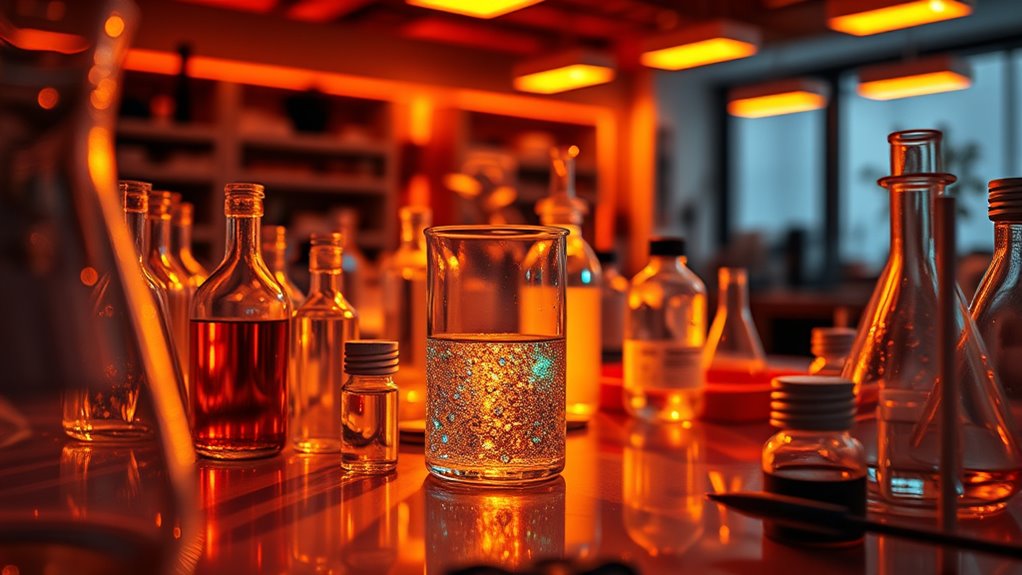
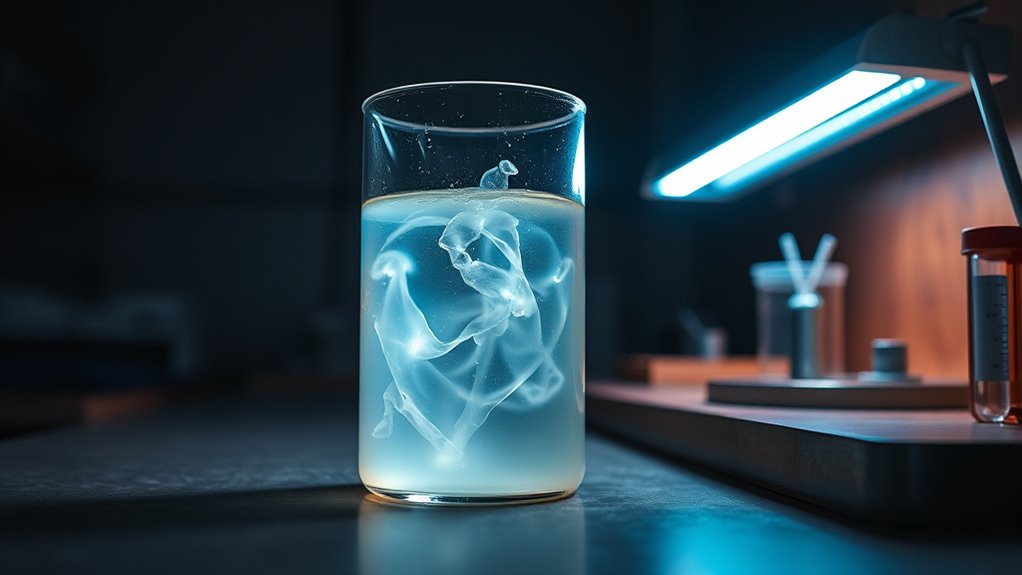
Indoor lighting plays a essential role in triggering photochemical reactions that can affect your health, home environment, and even the materials around you. These reactions are initiated when light interacts with various substances, and the nature of this interaction heavily depends on the light’s wavelength. Different wavelengths carry varying amounts of energy, which directly influences the reaction speed. For instance, ultraviolet (UV) light, with its shorter wavelength, contains more energy and can accelerate reactions more rapidly than visible or infrared light. As a result, the type and intensity of indoor lighting can considerably alter the pace at which chemical changes occur inside your home.
When you’re exposed to different light wavelengths, you might notice that some reactions happen almost instantly, while others take much longer. For example, UV light can cause materials like plastics and fabrics to degrade faster because its high-energy photons break chemical bonds quickly. Conversely, softer, warmer lighting with longer wavelengths, like amber or red lights, tends to induce reactions at a slower rate. This difference in reaction speed is essential because it influences how quickly certain substances change, whether it’s the fading of artwork, the aging of furniture, or even the formation of potentially harmful compounds. You should be aware that the faster the reaction, the quicker these changes can develop, which might impact your environment and health over time. Additionally, the presence of specific wavelengths in indoor lighting can influence photochemical reaction rates, affecting both materials and biological processes within your home.
Moreover, light wavelength doesn’t just affect materials; it can also influence biological processes. Certain wavelengths, especially blue and UV light, can impact your circadian rhythms, mood, and even skin health. When indoor lighting emits these wavelengths, it can modify photochemical reactions within your body, affecting hormone production and sleep patterns. By understanding how different light wavelengths affect reaction speed, you can better choose lighting that minimizes unwanted reactions, such as the degradation of sensitive items or adverse health effects. Using lighting with appropriate wavelengths can slow down undesirable reactions, extending the lifespan of household items and promoting a healthier living space.
As an affiliate, we earn on qualifying purchases.
Frequently Asked Questions
How Does Natural Light Compare to Artificial Indoor Lighting in Affecting Reactions?
Natural light generally has higher light intensity and better spectral quality, making it more effective at driving photochemical reactions than artificial indoor lighting. You’ll notice that reactions exposed to natural sunlight often occur faster and more efficiently because of the broader spectrum and stronger light. Artificial lighting, especially if it’s dim or lacks certain wavelengths, can slow down or alter these reactions, impacting their overall progress and outcomes.
Can Specific Indoor Lighting Colors Accelerate or Inhibit Certain Photochemical Processes?
Think of indoor lighting as a painter’s palette—each color and hue shaping the scene. Certain light wavelengths and color temperatures can indeed speed up or slow down photochemical processes. For example, blue light with shorter wavelengths may accelerate reactions, while warmer, red-toned light can inhibit them. By choosing specific indoor lighting colors, you control the rhythm of these reactions, guiding them like a conductor leading an orchestra.
What Safety Measures Are Recommended When Working With Light-Sensitive Chemicals Indoors?
When working with light-sensitive chemicals indoors, you should always wear protective eyewear to shield your eyes from harmful reactions. Store chemicals in dark, airtight containers away from indoor lighting sources to prevent accidental activation. Make certain your workspace is well-ventilated and keep your lighting at safe levels. Following these safety measures helps minimize risks, protects your health, and maintains the integrity of the chemicals you’re handling.
Do Standard Light Bulbs Emit Wavelengths That Influence Photochemical Reactions Differently?
Standard light bulbs emit a broad spectral emission, primarily in the visible range, which can influence photochemical reactions differently depending on their light wavelength. Incandescent bulbs produce warm light with longer wavelengths, while fluorescent and LED bulbs emit more specific wavelengths that may accelerate or inhibit certain reactions. You should consider the spectral emission of your light source when working with light-sensitive chemicals to control the photochemical effects effectively.
How Can Indoor Lighting Be Optimized to Control Unwanted Photochemical Changes?
Indoor lighting is like a gentle guardian, protecting your belongings from unwanted changes. You can optimize it by adjusting light intensity to prevent excessive exposure and selecting bulbs with wavelength control, especially limiting UV emissions. Using LED or filtered lights minimizes harmful wavelengths, reducing photochemical reactions. Keep the lighting stable and appropriate for your environment to preserve items and prevent deterioration caused by unintentional light-induced changes.
Conclusion
Now that you understand how indoor lighting acts like a silent conductor, guiding photochemical reactions behind the scenes, you realize it’s more than just illumination. It’s the invisible artist shaping every chemical story unfolding in your home. With each flicker and glow, you hold the brush to influence these reactions, turning your space into a vibrant canvas of chemical harmony. So, next time you flip a switch, remember—you’re lighting the spark of invisible magic.
Fall Picks
fall essentials
As an affiliate, we earn on qualifying purchases.