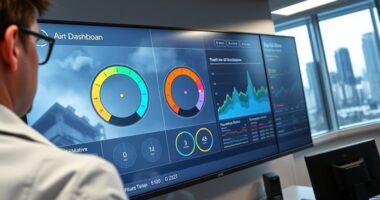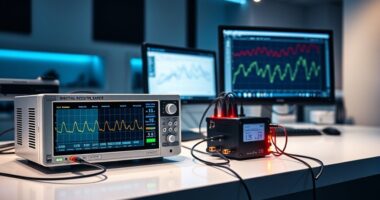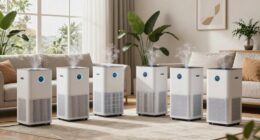
Monitoring indoor and outdoor differential pressure helps you guarantee your building’s ventilation system works effectively, maintaining good air quality and energy efficiency. By tracking pressure differences with gauges or sensors, you can quickly identify issues like leaks, blockages, or system malfunctions that could compromise indoor air quality. Proper pressure balance prevents outdoor contaminants from entering and reduces energy waste. Keep an eye on these measurements for a healthier, safer environment—there’s more to learn to optimize your system further.

Get garden gear delivered free — and shop member deals
- Fast, free delivery on millions of items
- Access to Prime Big Deal Days deals on October 6–7
- Prime Video, Amazon Music and more included
Key Takeaways
- Use differential pressure sensors to measure the pressure difference between indoor and outdoor environments in real-time.
- Regularly monitor pressure data to identify leaks, blockages, or ventilation inefficiencies affecting indoor-outdoor airflow.
- Implement automated control systems to maintain optimal pressure balance and improve indoor air quality.
- Ensure sensors are calibrated and positioned correctly to accurately capture pressure variations across building openings.
- Analyze pressure trends to adjust ventilation rates, prevent outdoor contaminants ingress, and optimize energy efficiency.
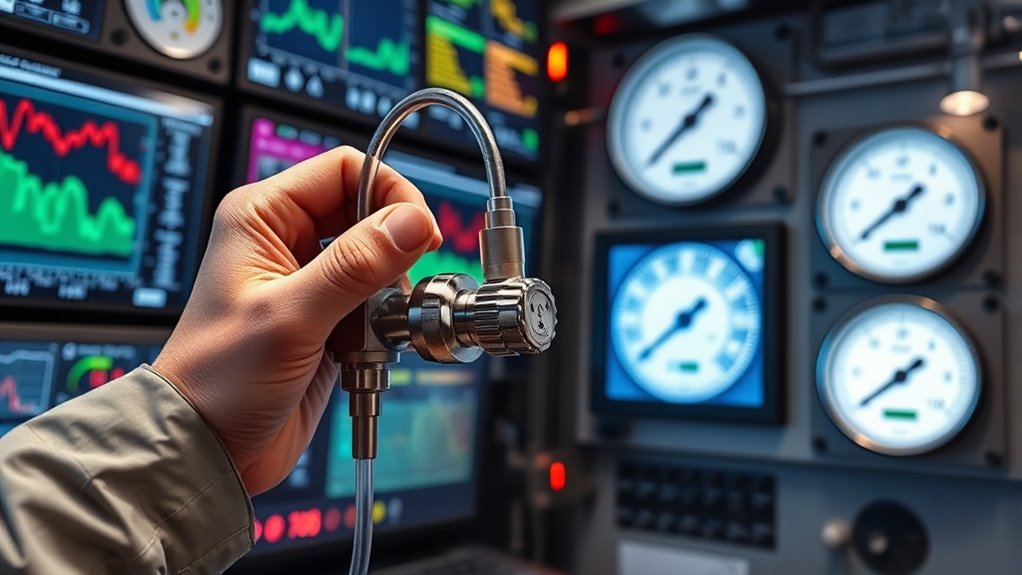
Monitoring indoor and outdoor differential pressure is essential for maintaining ideal building performance and indoor air quality. When you keep track of the pressure differences between inside and outside environments, you gain a clear understanding of how well your ventilation system functions. Proper pressure balance ensures that fresh air flows into the space while stale or contaminated air is effectively exhausted. This balance directly impacts air quality, as inadequate ventilation can lead to the buildup of indoor pollutants, allergens,, and humidity, creating an uncomfortable and unhealthy environment. By regularly measuring these pressure differences, you can identify issues early—such as leaks, blockages, or system malfunctions—that compromise ventilation efficiency.
Monitoring pressure differences ensures optimal ventilation, air quality, and energy efficiency in your building.
Focusing on differential pressure allows you to enhance your HVAC system’s performance. If indoor pressure is too high compared to outdoor pressure, it can cause drafts, increased energy consumption, and infiltration of outdoor pollutants. Conversely, if outdoor pressure exceeds indoor pressure, it can lead to outdoor contaminants entering your building, which diminishes indoor air quality. Monitoring helps you fine-tune your ventilation setup, ensuring that air exchange occurs smoothly and safely. This is especially important in buildings with strict air quality standards or in environments where controlling contaminants is critical, like hospitals or laboratories.
To effectively monitor differential pressure, you’ll need reliable instruments such as pressure gauges or differential pressure sensors. These tools provide real-time data, allowing you to make quick adjustments. For example, if you notice a drop in indoor pressure relative to outdoor pressure, you might need to check your exhaust fans or make sure your building’s sealing is intact. If the indoor pressure spikes, it could indicate a blocked ventilation duct or an overactive supply system. Consistent monitoring ensures that your ventilation efficiency remains high, preventing issues before they escalate into costly repairs or health hazards.
Understanding the importance of pressure differentials also helps you implement better control strategies. Automated systems can be programmed to maintain ideal pressure settings based on real-time data, ensuring consistent air quality and energy use. This proactive approach minimizes unnecessary energy waste and keeps indoor environments comfortable and safe. Additionally, understanding pressure differentials can help you optimize your building’s energy efficiency and reduce operational costs. Ultimately, regular differential pressure monitoring empowers you to maintain a healthy, well-ventilated space, safeguarding occupants from poor air quality and ensuring your building performs at its best.
differential pressure sensors for HVAC
As an affiliate, we earn on qualifying purchases.
As an affiliate, we earn on qualifying purchases.
Frequently Asked Questions
How Often Should Differential Pressure Be Monitored for Optimal Building Performance?
You should monitor differential pressure daily to guarantee ideal building performance. Use pressure sensors to get accurate readings and rely on data logging to track trends over time. Regular checks help you catch issues early, maintain proper airflow, and prevent system inefficiencies. Consistent monitoring allows you to make informed adjustments quickly, ensuring a comfortable, energy-efficient environment while reducing potential maintenance costs.
What Are Common Causes of Unexpected Pressure Fluctuations Indoors?
Unexpected pressure fluctuations indoors often result from airflow imbalance or HVAC malfunctions. When the airflow isn’t properly balanced, certain areas may become excessively pressurized or depressurized, causing fluctuations. HVAC malfunctions, like faulty dampers or clogged filters, can disrupt normal airflow, leading to pressure changes. Regular maintenance helps prevent these issues, ensuring consistent indoor pressure and ideal building performance. Stay proactive to identify and address these causes quickly.
Can Differential Pressure Monitoring Improve Energy Efficiency?
You can improve energy efficiency by monitoring differential pressure, as studies show proper airflow optimization can reduce energy use by up to 15%. By maintaining balanced indoor and outdoor pressures, you guarantee ventilation standards are met without overworking HVAC systems. This reduces energy waste, lowers costs, and enhances comfort. Regular differential pressure monitoring helps identify leaks or blockages early, keeping your system operating efficiently and saving you money long-term.
What Safety Precautions Are Necessary During Pressure Testing?
During pressure testing, you should wear proper safety gear like gloves and goggles to protect against potential hazards. Make certain the pressure sensor is properly calibrated before testing to get accurate readings. Keep clear of high-pressure zones and monitor the system closely. Always follow manufacturer instructions and safety protocols, and have emergency shut-off procedures in place. These precautions help prevent accidents and ensure safe, reliable testing.
How Do Outdoor Environmental Changes Affect Indoor Pressure Readings?
Did you know that outdoor wind effects can cause indoor pressure fluctuations of up to 15 Pascals? Seasonal pressure shifts markedly impact indoor readings, as changes in outdoor weather and temperature alter the pressure balance. These environmental changes can lead to inaccurate indoor pressure measurements if not accounted for. You should consider wind effects and seasonal shifts when interpreting your data to guarantee accurate assessments and proper building ventilation control.
Conclusion
In conclusion, consistent calibration and careful control of cross-pressures create clean, comfortable, and cost-effective conditions. By balancing indoor and outdoor pressures, you prevent pollution, promote productivity, and preserve peace of mind. Remember, precise pressure monitoring promotes a positive, protected environment. Prioritize pressure practices to prevent problems and promote health. Properly managing pressure helps you maintain a well-working, worry-free space. So, stay vigilant, verify values, and value your venue’s essential ventilation!
Fall yard work Picks
leaf blowers
As an affiliate, we earn on qualifying purchases.