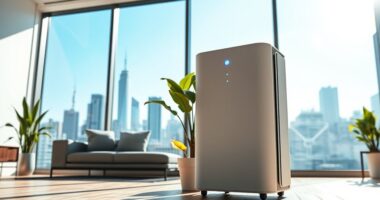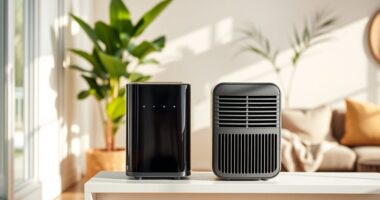

You can’t rely on a single indoor air quality number to guarantee a safe or healthy environment. Standards from organizations like EPA and WHO serve as helpful guides, but they aren’t guarantees of safety for everyone. Factors like age, health, and sensitivities affect how pollutants impact you. Monitoring and addressing pollution sources are key. If you’re curious about how to better understand and improve your indoor air, there’s more to uncover that can help you make smarter choices.

Get garden gear delivered free — and shop member deals
- Fast, free delivery on millions of items
- Access to Prime Big Deal Days deals on October 6–7
- Prime Video, Amazon Music and more included
Key Takeaways
- No single indoor air quality number guarantees safety for all individuals or situations.
- Standards serve as guidelines, not absolute measures of safety or health.
- Personal sensitivities mean that acceptable levels may still cause symptoms or discomfort.
- Regular monitoring and source control are more effective than chasing a “perfect” number.
- Indoor air quality exists on a continuum; focus on overall health rather than exact measurements.

Many people assume there’s a single “ideal” indoor air quality number to aim for, but the truth is more complicated. While it’s tempting to think that a specific measurement exists to guarantee safe and healthy air, the reality is that air quality standards are more nuanced. These standards are set by organizations like the EPA or WHO to provide a general guideline, but they don’t capture every individual’s health impact or unique sensitivities. You might hear about optimal levels for pollutants like particulate matter, carbon dioxide, or volatile organic compounds, but adherence to these numbers doesn’t automatically mean your environment is completely safe. Instead, these standards serve as benchmarks, helping you identify when air quality might be declining, but they don’t promise absolute safety for every person or situation.
Understanding that there’s no single ideal number can help you adopt a more flexible, proactive approach to indoor air quality. Your health impact from indoor pollutants varies depending on factors like age, existing health conditions, and exposure duration. For example, a person with asthma may experience symptoms at pollutant levels that would barely bother a healthy individual. Similarly, a home with pets, smokers, or new furniture might have different risks, even if the measurements fall within accepted standards. This means relying solely on a specific number can be misleading. Instead, pay attention to how you feel—symptoms such as headaches, fatigue, or respiratory irritation often signal that your indoor air could be improved, regardless of whether it meets the “ideal” standards.
A comprehensive approach that includes monitoring air quality and addressing sources of pollution can be more effective than fixating on a single number. Regularly assessing indoor air quality can also help you understand pollutant fluctuations and adjust your strategies accordingly. It’s important to recognize that air quality standards are based on general population data and may not account for individual sensitivities, which vary widely. Additionally, personal health considerations should influence how you interpret air quality readings and take action. Rather than obsessing over precise figures, focus on creating a healthier environment through practical measures. Use air purifiers, increase ventilation, and control sources of indoor pollution. Regularly monitoring your indoor air quality can help you detect trends or sudden changes, but don’t get fixated on hitting an elusive perfect number. Remember that air quality, like health, isn’t black and white; it’s a spectrum. Even if your measurements are within accepted ranges, you might still experience discomfort or health effects if your environment isn’t *best* maintained. Ultimately, understanding the limitations of air quality standards allows you to make better choices that prioritize your health impact over chasing an unattainable perfect number.
Frequently Asked Questions
How Do Outdoor Air Quality Levels Impact Indoor Air Standards?
Outdoor air quality levels directly impact indoor air standards, as poor outdoor air introduces pollutants that ventilation strategies and air filtration systems need to manage. When outdoor air is polluted, you should enhance ventilation and upgrade air filtration to reduce indoor contaminants. By continuously monitoring outdoor air quality, you can adjust ventilation strategies accordingly, ensuring your indoor environment remains healthier despite fluctuating outdoor pollution levels.
Are There Health Risks Associated With Overly Strict Indoor Air Targets?
Could overly strict indoor air targets actually harm your health? Yes, they can, especially if you rely solely on air filtration and ventilation techniques without balance. Excessive filtration might remove beneficial particles, while aggressive ventilation can cause drafts and temperature fluctuations. Aiming for perfect air quality could lead to unnecessary stress or overlooked issues. Instead, focus on realistic, balanced standards that prioritize overall health without creating new risks.
Can Individual Sensitivity Affect What Is Considered a “Safe” Indoor Air Level?
Personal sensitivities can considerably affect what you consider a “safe” indoor air level because everyone reacts differently to pollutants. Air quality variability means some people might experience symptoms at levels others find acceptable. If you’re sensitive to certain substances, you may need cleaner air than the standard guidelines suggest. Paying attention to your body’s responses and adjusting your environment accordingly helps guarantee your indoor air remains comfortable and safe for you.
How Often Should Indoor Air Quality Be Tested for Accuracy?
You should test your indoor air quality every three to six months to guarantee accuracy. Did you know that indoor air can be two to five times more polluted than outdoor air? Regular testing helps identify issues before they worsen. Use an air purifier and check your ventilation system to improve air quality. Consistent testing gives you peace of mind and keeps your home safe and healthy.
What Are Practical Steps to Improve Indoor Air Quality?
You can improve indoor air quality by using an air purifier with proven effectiveness to remove pollutants. Additionally, enhance ventilation strategies by regularly opening windows or using exhaust fans to circulate fresh air. Avoid smoking indoors, keep your space clean to reduce dust, and control humidity levels to prevent mold growth. These practical steps will help create a healthier indoor environment and reduce airborne contaminants effectively.
Conclusion
Don’t fall for the illusion of a perfect indoor air number—that’s like chasing a unicorn in a fog of misinformation. The truth is, air quality isn’t a one-size-fits-all magic figure; it’s a complex, dynamic dance of factors. Instead of obsessing over a single number, focus on practical steps to improve your air quality day by day. Remember, aiming for perfect air is like trying to catch lightning in a bottle—an impossible quest that distracts you from real, achievable improvements.
Fall yard work Picks
leaf blowers
As an affiliate, we earn on qualifying purchases.