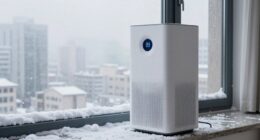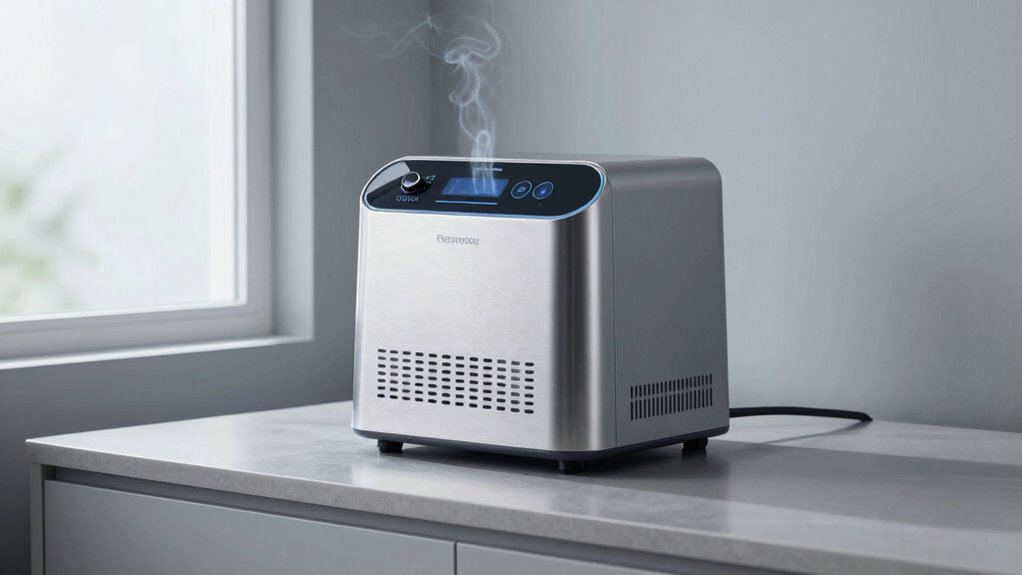
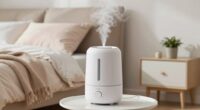
Ozone generators produce a “clean smell” by creating ozone, which reacts with odors and masks them temporarily. However, this isn’t truly clean air and can harm your health by irritating your respiratory system or worsening asthma. Many people mistake the fresh scent as a sign of cleanliness, but high ozone levels are unsafe. To protect yourself, it’s wise to explore safer alternatives and stay informed about how these devices really work. If you’re curious, there’s more to uncover about these products.
Key Takeaways
- The “clean smell” after ozone use is often just ozone reacting with pollutants, not actual clean air.
- Ozone generators produce ozone, which can irritate respiratory systems despite masking odors.
- A fresh scent from ozone may indicate high ozone levels harmful to health, not truly pollutant-free air.
- Using ozone generators in occupied spaces poses health risks; they should only be used in unoccupied rooms.
- Safer alternatives like HEPA filters effectively remove odors and pollutants without health hazards.
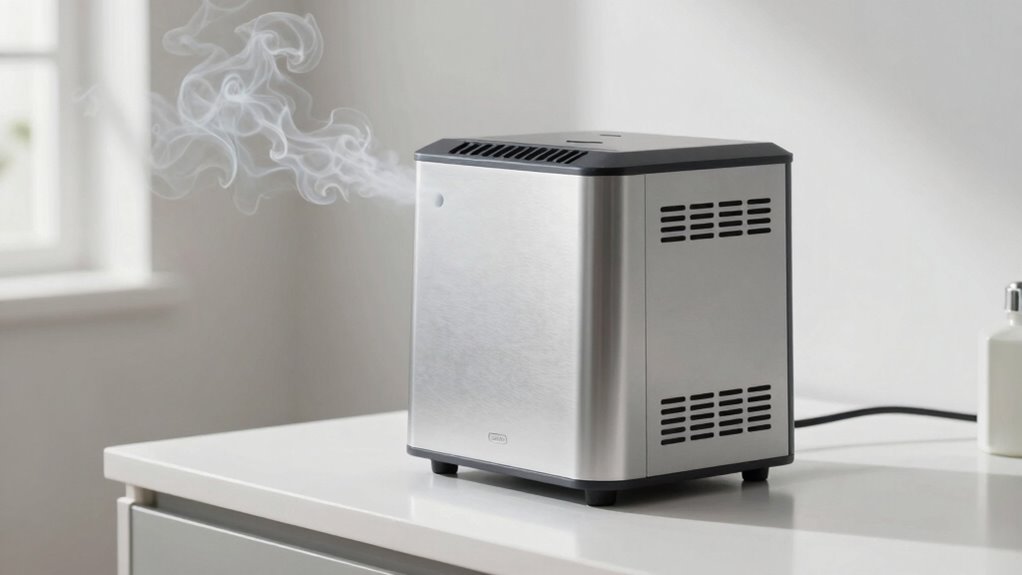
Have you ever wondered how ozone generators can improve air quality? These devices are often marketed as powerful tools for air purification and odor removal, promising a fresher, cleaner environment. But while they can be effective, it’s important to understand how they work and the potential risks involved. Ozone generators produce ozone, a molecule composed of three oxygen atoms, which reacts with various airborne pollutants, including bacteria, mold spores, and odors. When used correctly, ozone can neutralize stubborn smells and improve indoor air quality. That’s because ozone is a strong oxidizer, capable of breaking down substances that cause unpleasant odors, such as smoke, pets, or cooking smells. Many people turn to ozone generators to eliminate persistent odors that other air purifiers might struggle with.
However, it’s essential to recognize that ozone isn’t always as harmless as it seems. While it’s effective at odor removal, ozone can also irritate your respiratory system. Breathing in ozone can cause coughing, throat irritation, or even worsen asthma symptoms. This is why many health organizations warn against using ozone generators in occupied spaces. The ‘clean smell’ you notice after running an ozone generator often isn’t a sign of truly clean air; it’s the ozone reacting with odor-causing molecules. This reaction can temporarily mask odors, but it doesn’t necessarily mean the air is safe or free of harmful pollutants. In fact, high concentrations of ozone can be harmful to your lungs and overall health. Understanding ozone’s chemical properties can help you make safer decisions about air quality management.
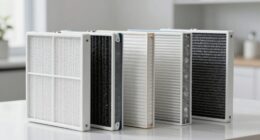
If you’re considering using an ozone generator for air purification, you need to be cautious. It’s generally recommended to use these devices in unoccupied rooms and to ventilate the space thoroughly afterward. This ensures that ozone levels return to safe limits before you re-enter. Many experts suggest alternative air purification methods, like HEPA filters, which trap particles without producing harmful byproducts. These options are safer for continuous use, especially in homes with children, pets, or individuals with respiratory issues.
Frequently Asked Questions
Are Ozone Generators Legal to Use Indoors?
Ozone generators are generally not legal to use indoors because of strict legal restrictions and indoor regulations. You shouldn’t operate them in enclosed spaces, as they can produce harmful ozone levels that pose health risks. Always check local laws and manufacturer guidelines before using such devices. If you’re seeking air purification, consider safer alternatives like HEPA filters, which are effective and comply with indoor safety standards.
How Quickly Do Ozone Generators Produce Ozone?
Ozone generators produce ozone quickly, often within minutes of turning on the device. The rate of ozone production depends on the generator’s efficiency; more efficient models generate higher ozone levels faster. You’ll notice a strong smell shortly after activation, but it’s important to remember that rapid ozone production can be harmful, especially indoors. Always monitor the generator’s output and follow safety guidelines to avoid health risks.
Can Ozone Remove All Types of Indoor Odors?
You can’t expect ozone to magically remove all types of indoor odors. While it can be effective for some smells like smoke or pet odors, it has effectiveness limitations, especially with persistent or organic odors. As the saying goes, “Don’t put all your eggs in one basket.” Relying solely on ozone for odor removal might not fully eliminate stubborn smells and can pose health risks, so use it cautiously.
What Are the Long-Term Health Effects of Ozone Exposure?
Long-term health risks from ozone exposure include respiratory issues, chest pain, and aggravation of asthma. Chronic exposure can weaken your lung function and increase your vulnerability to infections. You might also experience throat irritation and coughing over time. To protect yourself, avoid prolonged exposure to ozone, especially in indoor environments where ozone generators are used. Keep in mind that repeated or sustained contact can considerably harm your respiratory health.
Are There Safer Alternatives to Ozone Generators for Air Purification?
Yes, you can opt for safer alternatives like natural air purifiers and HEPA filtration. Natural air purifiers, such as plants, help improve air quality without harmful chemicals. HEPA filters efficiently trap airborne particles, allergens, and pollutants, providing cleaner air. These options are safer and more effective long-term solutions compared to ozone generators, which can pose health risks. By choosing natural methods and HEPA filtration, you protect your health while maintaining fresh, clean indoor air.
Conclusion
Remember, ozone generators may promise a fresh, clean scent like a spring breeze, but beneath that aroma lies a hidden storm. Think of the air as a delicate canvas—you might be painting a picture of purity, but you’re also risking unseen scars. Don’t let the inviting fragrance fool you; it’s a mask hiding potential harm. Choose wisely, and let your choices be the brushstrokes that preserve the true clarity of your environment.