
Pet dander isn’t just about fur or hair—it’s made up of tiny skin flakes that easily become airborne and settle on surfaces in your home. When you breathe them in, your immune system can react strongly, causing allergy symptoms. Regular grooming, cleaning, and air purification markedly reduce these skin particles. Understanding that dander is primarily skin flakes helps you manage allergies more effectively. Stick around to discover more ways to control pet dander and breathe easier.
Key Takeaways
- Pet dander mainly consists of tiny skin flakes, not just fur or hair, which are common allergy triggers.
- These skin flakes are lightweight, easily become airborne, and settle on surfaces like furniture and carpets.
- Regular grooming and vet visits help reduce skin flakes and overall allergen production from pets.
- Using HEPA air purifiers and frequent cleaning decreases airborne pet dander in indoor environments.
- Managing pet skin health and indoor air quality is essential for effective allergy symptom control.

Have you ever noticed sneezing, itchy eyes, or a runny nose after spending time with your pet? If so, you might be dealing with more than just pet hair. Pet dander is a common trigger for allergies, but it’s often misunderstood. Many people think that fur or hair alone causes allergic reactions, but it’s actually tiny particles of skin shed by your pet that are the main culprits. These microscopic flakes are lightweight and easily become airborne, settling on furniture, carpets, and other surfaces. When you inhale these particles, your immune system might overreact, leading to allergy symptoms.
Understanding that pet dander isn’t just about hair can help you better manage your environment. Regular vet visits are essential to keep your pet healthy, but they can also help identify if your pet has any skin conditions or allergies that worsen dander production. Your veterinarian might recommend specific treatments or diets to reduce shedding or skin irritation, which ultimately decreases the amount of allergenic particles in your home. Additionally, keeping your pet in good health can lower the overall amount of dander they shed, making allergy management easier.
Grooming tips are another key component in controlling pet dander. Regular brushing helps remove loose hair and skin flakes before they become airborne. Use a high-quality brush suitable for your pet’s coat type and do it in a well-ventilated area to prevent stirring up dust and dander indoors. Bathing your pet on a consistent schedule, as advised by your vet, can also markedly cut down on dander. Use gentle, hypoallergenic pet shampoos to avoid skin irritations that can lead to increased shedding. Remember, frequent grooming not only benefits your pet’s coat but also reduces the particles that trigger your allergies.
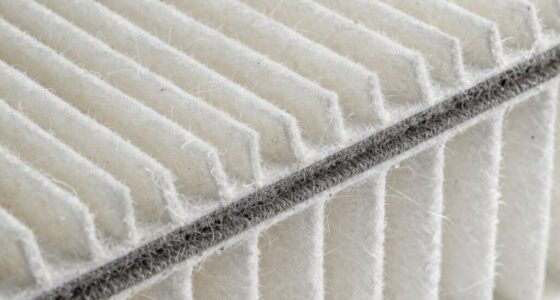
Air quality plays a crucial role too. Consider investing in HEPA air purifiers that can trap pet dander and other allergens. Regularly vacuum carpets, upholstery, and curtains with a HEPA-equipped vacuum cleaner to eliminate accumulated dander. Wash your pet’s bedding frequently to remove dander and skin flakes that collect there. Creating an allergy-friendly environment isn’t about eliminating your pet but managing the amount of allergenic particles in your space. Recognizing that pet dander consists of skin flakes can help you implement more effective allergy control measures.
Frequently Asked Questions
Can Pet Dander Cause Asthma Attacks?
Yes, pet dander can cause asthma attacks. When you’re around pets, pet saliva, skin flakes, and dander get into the air you breathe. These particles can trigger your asthma symptoms, especially if you’re allergic. You might notice wheezing, coughing, or shortness of breath. To reduce this risk, keep your pet out of your bedroom, clean regularly, and consider using air purifiers to help filter out these allergenic particles.
How Long Does Pet Dander Stay Airborne?
Did you know pet dander can stay airborne for up to several hours? The airborne duration of allergens varies, but typically, pet dander persists for 4 to 8 hours, depending on airflow and cleaning habits. This allergen persistence means even after cleaning, you might still be exposed. To reduce exposure, improve ventilation and clean regularly, especially in spaces where your pet spends a lot of time.
Are There Breeds With Less Dander?
Yes, you can choose hypoallergenic breeds like poodles or Bichon Frises that shed less dander. To further reduce dander, use dander reduction techniques such as frequent grooming, air purifiers, and regular cleaning. These steps help minimize airborne particles and make living with pets easier for allergy sufferers. While no breed is completely dander-free, these options and techniques can profoundly improve your comfort and health.
Does Bathing Pets Reduce Allergen Levels?
Bathing your pet can substantially reduce allergen levels; studies show it can lower dander by up to 84%. Regular pet bathing is a simple, effective way to facilitate allergen reduction, especially for allergy sufferers. By keeping your pet clean, you remove surface allergens that trigger reactions. Make bathing a routine, and you’ll notice fewer allergy symptoms, creating a more comfortable environment for you and your furry friend.
Can Air Purifiers Eliminate Pet Dander?
Air purifiers can considerably improve air quality by effectively filtering pet dander, but their effectiveness depends on the unit’s quality and filtration system. Look for models with HEPA filters, which excel at capturing tiny allergen particles. Regularly changing filters and maintaining your air purifier maximizes pet dander filtration, helping reduce allergy symptoms. While they won’t eliminate all dander, air purifiers are a valuable tool for managing pet allergies indoors.
Conclusion
So, next time you’re sneezing at a pet’s mere shadow, remember it’s not just hair—it’s sneaky little particles doing their best to ruin your day. Pet dander’s not just an innocent fluff; it’s a covert allergen ninja, quietly wreaking havoc while you chase it with allergy meds. Maybe it’s time to admit that your furry friend’s “hair” is actually an undercover allergen conspiracy. Spoiler alert: allergy season just got a lot more interesting.