
To protect against outdoor pollen intrusion, start by sealing your windows and doors with weatherstripping or caulking to block gaps. Install pollen-proof screens on all open windows and ensure they are tear-free and effective. Limit outdoor activities during peak pollen times, typically early morning and late afternoon, and keep windows closed during these periods. Regularly clean inside your home with a HEPA filter vacuum to remove settled pollen. Lowering pollen entry helps you breathe easier; discover more ways to shield your space.
Key Takeaways
- Keep windows closed during peak pollen times, especially early morning and late afternoon.
- Seal window gaps with weatherstripping or caulking to prevent pollen entry.
- Install pollen-proof screens on windows and doors for an extra barrier.
- Plan outdoor activities when pollen counts are lowest, typically mid-day or after rain.
- Shower and change clothes after outdoor exposure to remove pollen particles.
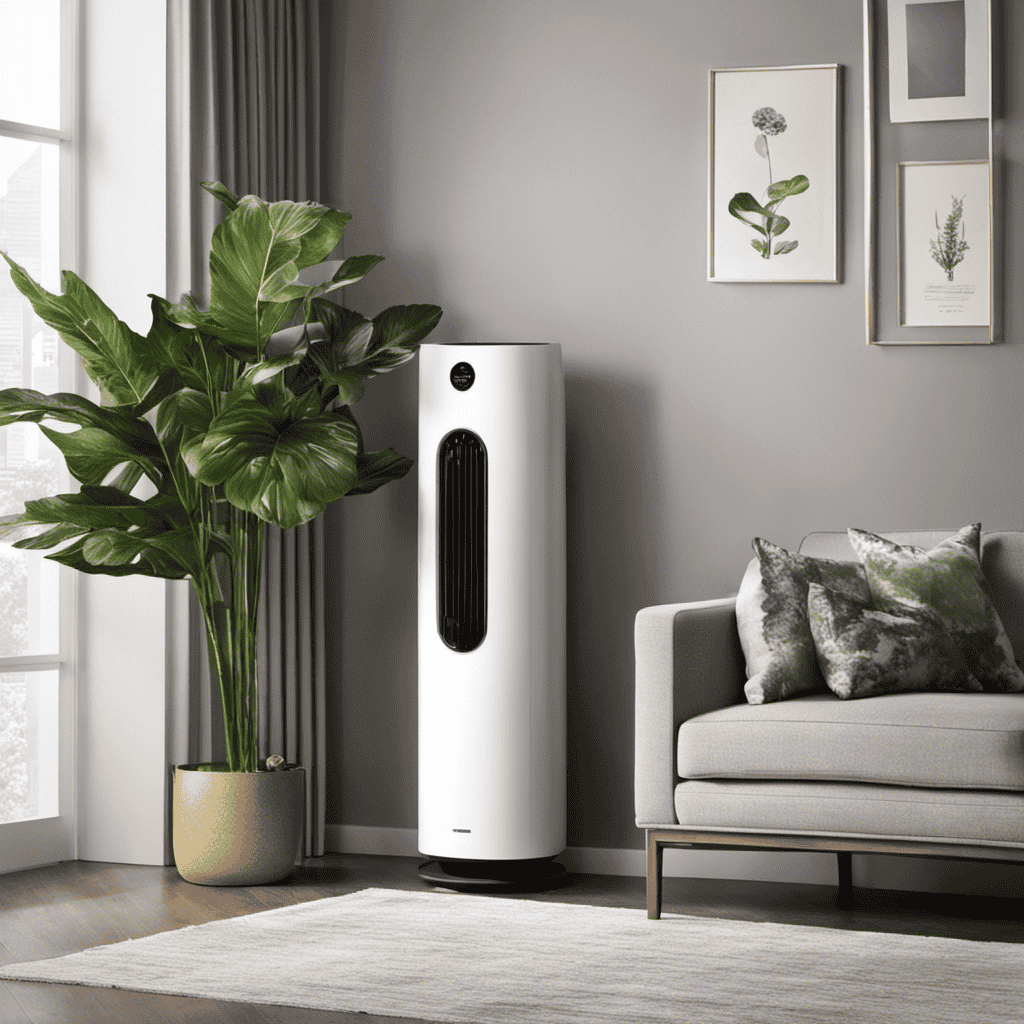
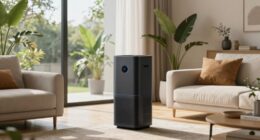
During peak pollen seasons, outdoor allergens can quickly find their way inside, triggering allergies and respiratory issues. To protect yourself, it’s vital to take proactive steps to minimize pollen intrusion. One effective method involves improving air filtration inside your home. High-quality air purifiers equipped with HEPA filters can capture pollen particles and other airborne allergens, substantially reducing the amount circulating in your indoor environment. Running these purifiers continuously during allergy season can make a noticeable difference, especially in bedrooms and common living areas. Alongside air filtration, focusing on sealing your windows is equally essential. Pollen can easily blow in through gaps and cracks around window frames, so inspecting and sealing these openings prevents allergens from sneaking inside. Weatherstripping or caulking is simple to apply and provides an airtight barrier that keeps pollen out while allowing your windows to function properly. When sealing your windows, it’s important to check all sides, including sashes and frames, since even small gaps can let in a surprising amount of pollen.
If you’re using window screens, ensure they’re in good condition with no tears or holes. Consider installing pollen-proof screens, which are designed to block finer particles, including pollen grains. These screens can be particularly helpful in bedrooms or rooms where you spend a lot of time. Combining window sealing with air filtration creates a double layer of defense—your sealed windows prevent pollen from entering, and air purifiers remove any allergens that do make their way inside. This synergy is especially beneficial during mornings when pollen counts are highest or on windy days when pollen disperses widely. Additionally, ventilation systems with proper filtration can further improve indoor air quality by circulating clean air and reducing pollen buildup.
Additionally, keep in mind that outdoor pollen levels tend to be highest during certain times of the day, such as early morning and late afternoon. Planning your outdoor activities around these peaks and keeping windows closed during these periods minimizes indoor exposure. When you do open windows, do so briefly and during times when pollen counts are lower, and immediately close them afterward. Regularly cleaning and vacuuming your home with HEPA filters also helps remove pollen that might settle on surfaces, preventing it from becoming airborne again.
Frequently Asked Questions
How Do Pollen Levels Vary Throughout the Day?
You’ll notice pollen levels fluctuate throughout the day due to daily patterns. Typically, pollen peaks in the early morning and late afternoon when temperatures are cooler and plants release more pollen. During midday, levels often drop because of higher temperatures and wind patterns. By understanding these pollen fluctuation trends, you can plan outdoor activities accordingly, avoiding peak times and reducing allergy symptoms.
Are There Specific Clothing Materials That Block Pollen Better?
You’d think wearing the most breathable fabrics would keep pollen out, right? Ironically, lightweight materials like cotton or linen can let pollen slip through easily. For better protection, opt for pollen-proof clothing made from tightly woven fabrics, which act like a barrier. These specialized fabrics keep pollen at bay while still allowing air to flow, giving you a chance to breathe easier without sacrificing comfort.
Can Indoor Plants Increase Pollen Levels Indoors?
Indoor plants can increase pollen levels indoors, especially if you’re into indoor gardening. Many plants produce plant pollen, which can become airborne and trigger allergies. To minimize this, choose low-pollen varieties, keep plants clean, and avoid overwatering to prevent mold. Regularly ventilate your space and consider air purifiers. Being aware of plants that release more pollen helps you manage indoor pollen levels effectively, reducing allergy symptoms.
What Natural Remedies Can Help Reduce Pollen Allergy Symptoms?
You can ease pollen allergy symptoms naturally by trying herbal teas like chamomile or ginger, which soothe irritated airways. Honey remedies can help build immunity and reduce reactions over time. Incorporate steam inhalation to clear nasal passages, stay hydrated to thin mucus, and practice nasal rinsing with saline to flush out pollen. These natural remedies work together to calm inflammation, support your immune system, and provide relief from allergy symptoms.
How Effective Are Air Purifiers in Outdoor Settings?
Air purifiers are less effective outdoors due to limitations like open-air dispersion and wind, which reduce their ability to filter pollen effectively. Portable units are convenient for small areas, while fixed models suit larger spaces, but neither can fully combat outdoor pollen levels. For better protection, combine air purifiers with other strategies like wearing masks and avoiding peak pollen times, as outdoor purifiers alone won’t completely prevent pollen intrusion.
Conclusion
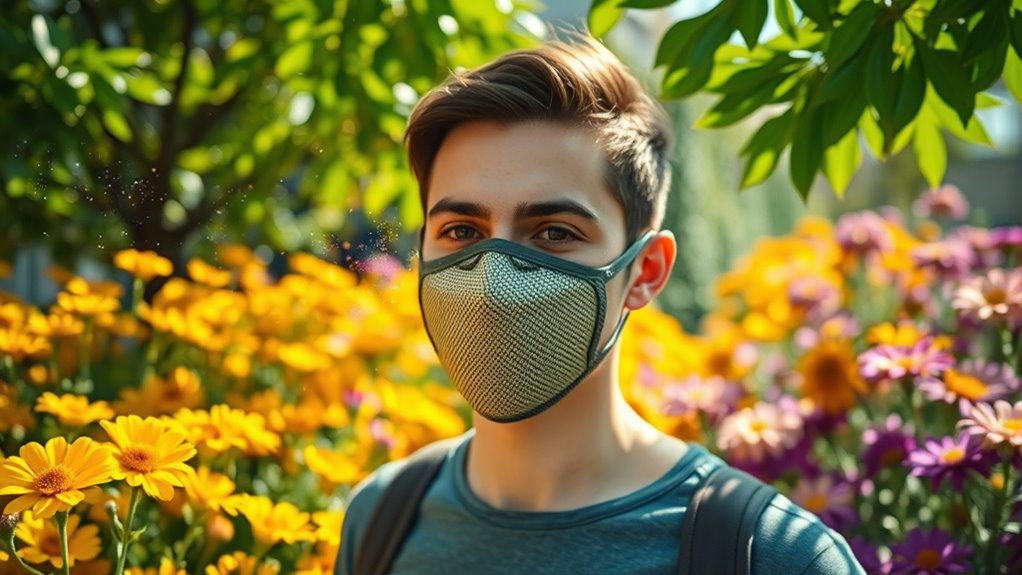
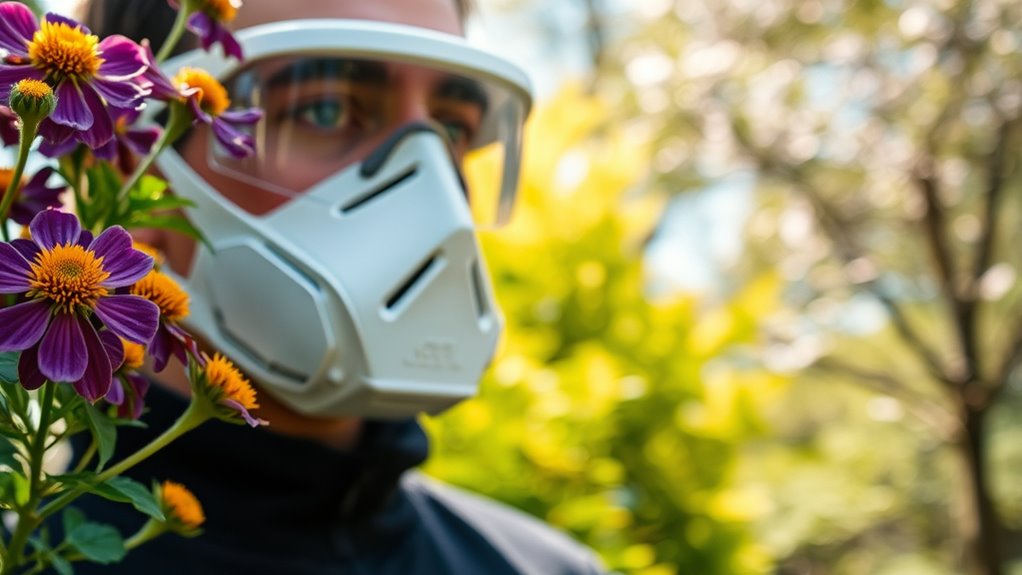
To keep pollen outside, remember that outdoor air can carry up to 50 grains per cubic meter during peak season. By sealing windows, using air purifiers, and wearing masks, you can substantially reduce pollen intrusion and breathe easier. Staying proactive not only eases allergy symptoms but also improves your overall comfort. With these simple steps, you’ll enjoy the outdoors more, even during high pollen days. Protecting your indoor air truly makes a noticeable difference in allergy relief.