To safeguard yourself from VOCs after renovation, guarantee proper ventilation by regularly opening windows and using mechanical systems like ERVs or HRVs to exchange indoor air with fresh outdoor air. Use air filters with activated carbon to trap VOCs and choose low-VOC products for your space. Maintain your ventilation system and remove sources of VOCs whenever possible. For more tips on creating a healthier environment, keep exploring ways to improve indoor air quality.
Open a free Amazon Business account
Business pricing, bulk buying and tax-exempt orders.
As an affiliate, we earn on qualifying purchases.
Key Takeaways
- Ensure thorough ventilation during and after renovation to dilute VOC concentrations effectively.
- Use low-VOC and zero-emission materials to minimize initial VOC sources.
- Install activated carbon filters and air purifiers near emission zones for targeted VOC removal.
- Regularly maintain ventilation systems and replace filters to sustain optimal air quality.
- Allow ample natural ventilation by opening windows and doors before occupying the space.
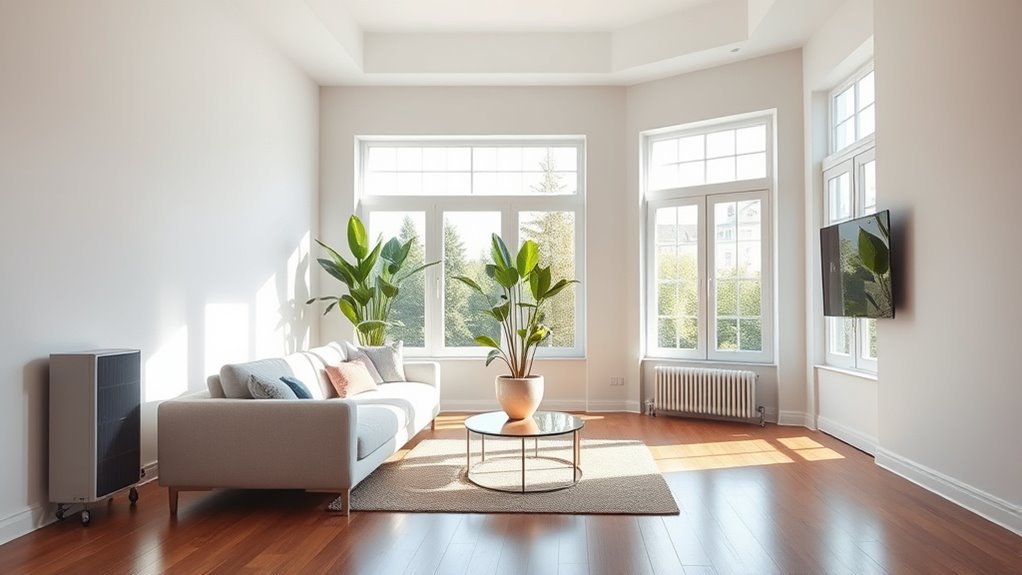
Have you ever wondered how to keep your indoor air safe from harmful pollutants? When you’ve recently renovated a space, the air quality can be compromised by volatile organic compounds (VOCs) released from paints, adhesives, and building materials. These compounds can linger in the air for weeks or even months, posing health risks to you and your occupants. To effectively protect everyone, it’s essential to understand how proper ventilation systems play a crucial role in reducing VOC concentrations and maintaining healthy indoor air quality.
Ventilation systems are your first line of defense. They work by exchanging stale, contaminated air with fresh outdoor air, diluting the VOC levels inside your space. A well-designed ventilation system ensures continuous airflow, which helps remove airborne pollutants before they reach harmful concentrations. If your building doesn’t have adequate ventilation, VOCs can accumulate, increasing the risk of headaches, respiratory issues, and other health problems. Modern systems, like energy recovery ventilators (ERVs) and heat recovery ventilators (HRVs), not only bring in fresh air but also recover energy from exhausted air, making the process more efficient while improving air quality.
Effective ventilation ensures continuous airflow, dilutes VOCs, and maintains healthy indoor air quality.
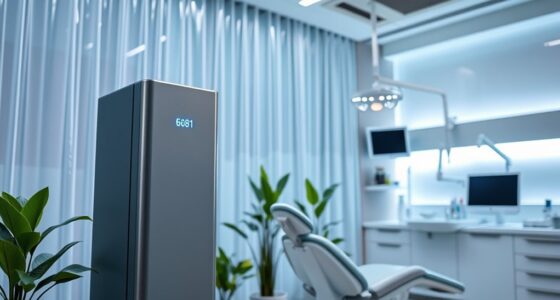
In addition to installing effective ventilation systems, it’s wise to consider incorporating air filtration units equipped with activated carbon filters. These filters are specifically designed to adsorb VOCs, trapping them before they can circulate throughout your space. Position these units strategically, especially in areas where VOC emissions are highest, such as near newly painted walls or freshly installed flooring. Combining good ventilation with air filtration creates a thorough approach that considerably reduces VOC levels, safeguarding your indoor air quality.
Regularly maintaining your ventilation systems is equally important. Replace filters as recommended and ensure that vents are free of dust and debris. This upkeep guarantees that your system functions at its best, providing a steady flow of clean air. During and after renovation, opening windows and doors whenever weather allows can also help ventilate trapped VOCs, but relying solely on natural ventilation isn’t enough for long-term air quality management. Mechanical systems offer controlled, steady airflow that is essential in maintaining safe indoor environments.
Finally, educating yourself about the sources of VOCs and choosing low-emission products during renovation can further minimize indoor air pollution. Opt for low-VOC paints, adhesives, and finishes whenever possible. Additionally, understanding the importance of color accuracy in your space can influence your choice of materials and lighting, further reducing potential VOC emissions. By prioritizing good air quality and investing in effective ventilation systems, you can create a healthier environment for yourself and your occupants, reducing the risks associated with VOC exposure and ensuring your newly renovated space is a safe, comfortable place to be.
activated carbon air purifier for VOC removal
As an affiliate, we earn on qualifying purchases.
As an affiliate, we earn on qualifying purchases.
Frequently Asked Questions
How Long Should Occupants Wait Before Occupying a Renovated Space?
You should wait at least 48 to 72 hours before occupying a renovated space, depending on the ventilation strategies used. Guarantee proper ventilation, like increasing airflow with fans or HVAC systems, to reduce VOC levels. Follow occupancy guidelines provided by experts or manufacturers, and consider conducting air quality tests. This pause allows VOCs to dissipate, making the environment safer and healthier for occupants.
Are There Specific Air Purifiers Recommended for VOC Removal?
You should look for air purifiers with specifications that target VOC removal, such as activated carbon filters and advanced VOC removal technologies. These purifiers effectively trap and reduce volatile organic compounds in the air. Check for models with high CADR ratings for VOCs and guarantee they cover your space size. This way, you create a safer environment fast, reducing VOC levels efficiently and helping occupants breathe cleaner, healthier air after renovations.
What Are the Signs of VOC Exposure in Occupants?
You notice subtle signs like headaches, dizziness, or respiratory irritation—these are symptoms signaling VOC exposure. Recognizing these symptoms early helps prevent more serious long-term health effects, such as chronic respiratory issues or neurological problems. Pay attention to persistent coughs, skin irritations, or eye discomfort. Promptly addressing these symptoms through symptom identification and ventilation can markedly reduce health risks and safeguard your space’s safety.
Do VOC Levels Vary by Renovation Type or Materials Used?
Yes, VOC levels fluctuate depending on renovation materials and the type of renovation you choose. Different materials emit VOCs at different rates, with some like paints, adhesives, and pressed wood products releasing higher VOC emissions. The more extensive the renovation, especially involving new flooring or cabinetry, the greater the potential VOC emission. To minimize occupant exposure, opt for low-VOC or VOC-free materials whenever possible and ensure proper ventilation during and after renovation.
Can Plants Effectively Reduce VOC Concentrations Indoors?
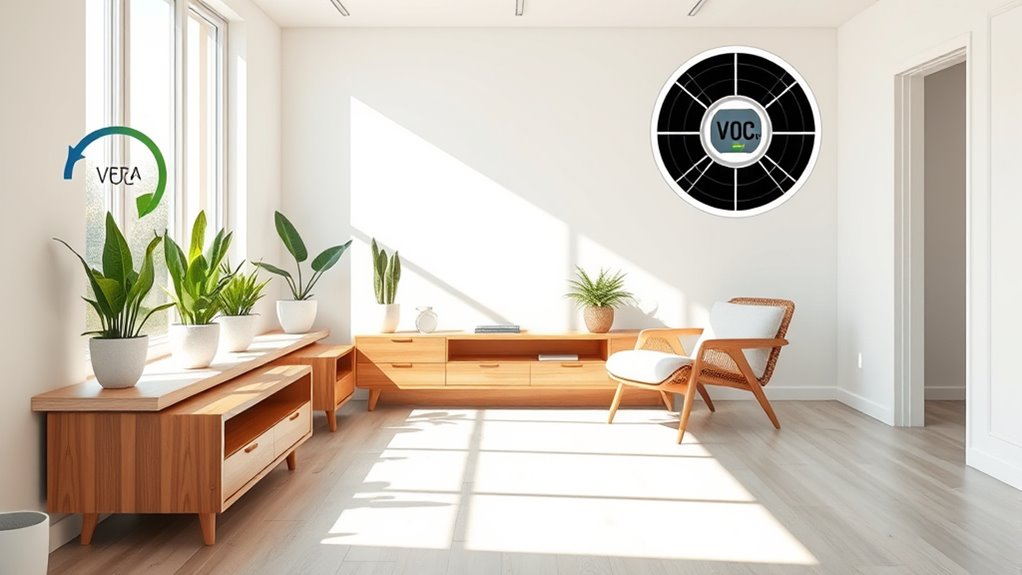
You might think plants can wave a magic wand and eliminate all VOCs, but that’s an exaggeration! Indoor plant efficacy varies, and while they do absorb VOCs through their leaves and roots, they can’t replace proper ventilation. Plants can help reduce VOC concentrations slightly and improve air quality, but relying solely on them isn’t enough. Use them as a complementary air-cleaning tool along with other ventilation measures for healthier indoor spaces.
Conclusion
So, after all this, it’s ironic how your shiny, freshly renovated space might secretly be a haven for harmful VOCs. You spent time and money making it perfect, only to unknowingly invite invisible toxins inside. But don’t worry—by taking simple precautions, you can turn that renovation from a potential health hazard into a safe sanctuary. Because sometimes, the biggest danger isn’t what you see, but what’s lingering just out of sight, waiting to surprise you.
Fall Picks
fall essentials
As an affiliate, we earn on qualifying purchases.