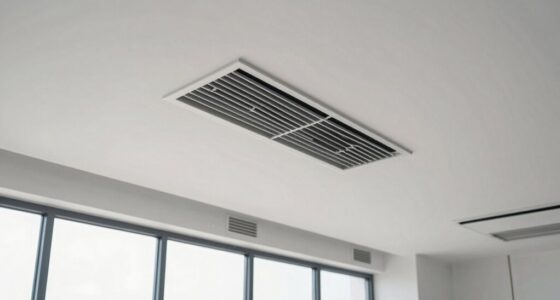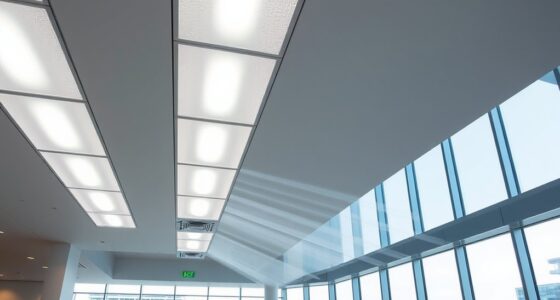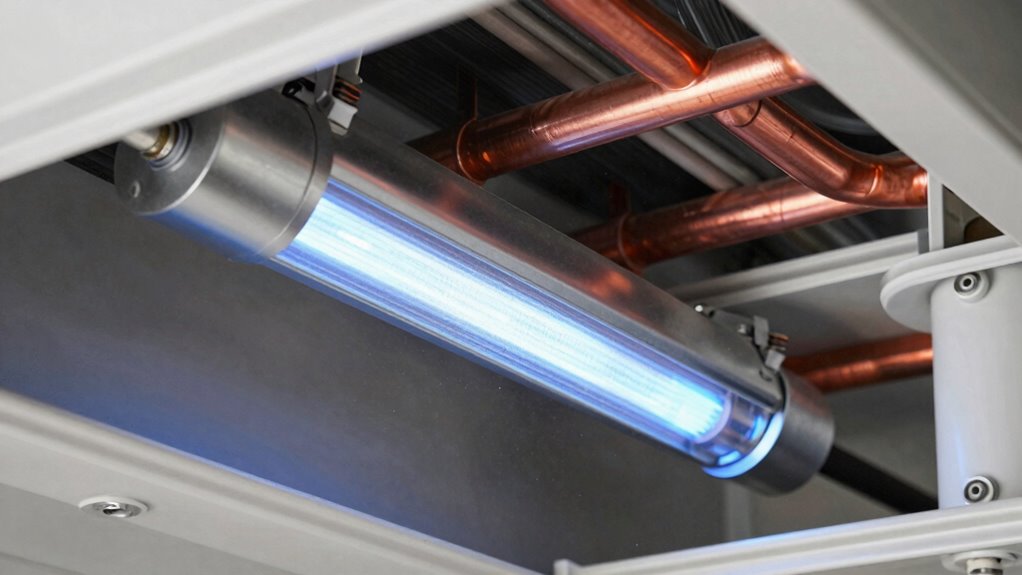

When considering UV lights for your HVAC system, ask if they genuinely improve indoor air quality and support system efficiency. UV technology can kill airborne microbes, prevent mold buildup, and extend your equipment’s lifespan, but it’s not a magic fix. Proper installation and maintenance are essential for maximum benefits. If you want to understand whether UV is a worthwhile investment for your needs, keep exploring how it fits into your overall system care.
Listen free for 30 days with Audible
Thousands of audiobooks and originals — cancel anytime.
As an affiliate, we earn on qualifying purchases.
Key Takeaways
- Is UV light installation properly targeted to maximize microbial control and system efficiency?
- How regularly are UV systems maintained to ensure safety and optimal performance?
- Does the UV system complement existing air filtration and maintenance practices?
- What is the overall cost-benefit analysis of investing in UV technology for your HVAC?
- Are the UV system’s benefits aligned with your indoor air quality and system longevity goals?
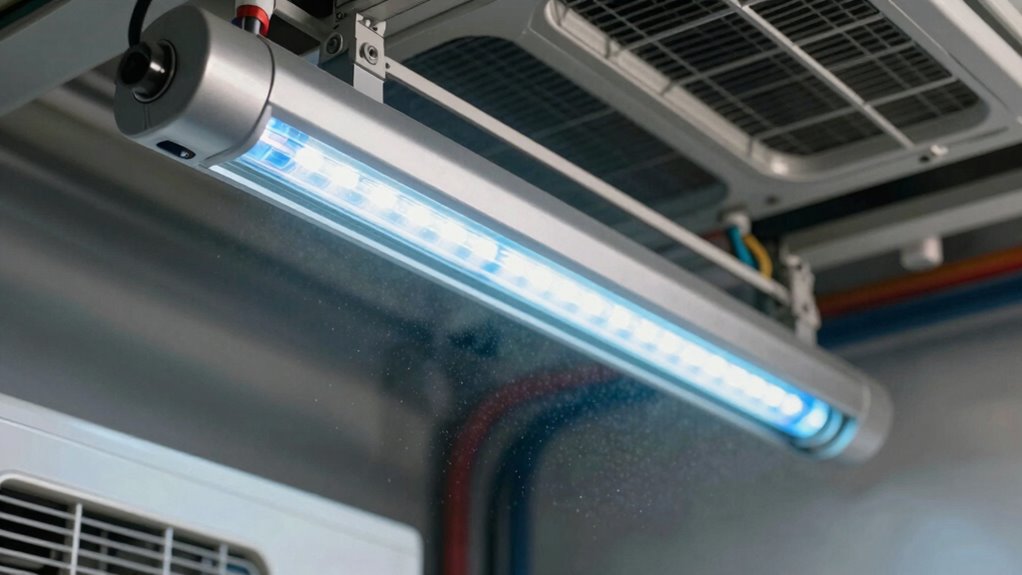
Have you ever wondered how UV light can improve your HVAC system’s performance? It’s a smart question because UV technology isn’t just about fancy gadgets; it plays a real role in enhancing air quality and energy efficiency inside your home or office. When UV lights are integrated into your HVAC system, they work to eradicate airborne bacteria, mold spores, and viruses. This means the air circulating through your space becomes cleaner, healthier, and less likely to cause allergies or respiratory issues. In a way, UV systems act as an extra line of defense, continuously disinfecting the air and preventing the buildup of microbial growth on coils and other components. This not only improves the air you breathe but also minimizes the risk of mold-related damage, which can impair your system’s performance over time. Proper UV light installation ensures maximum effectiveness and safety.
But the real question to ask is whether UV light can genuinely boost your system’s energy efficiency. The answer is yes, in several key ways. When microbial growth is kept in check, your HVAC system doesn’t have to work as hard to circulate clean air. Mold and bacteria tend to accumulate on coils, reducing heat transfer efficiency because they act like an insulating layer. UV lights prevent this buildup, helping your system operate smoothly and consistently. As a result, your energy bills can go down because your HVAC isn’t wasting extra energy trying to compensate for dirty coils or clogged filters. Plus, cleaner coils mean your system experiences less wear and tear, extending its lifespan and reducing maintenance costs. Additionally, understanding microbial growth and how it impacts HVAC performance can help you make more informed decisions about your system’s health. Recognizing the importance of indoor air quality can further motivate you to consider UV technology as part of your overall system maintenance. It’s also important to note that UV systems can be a cost-effective way to improve overall HVAC efficiency over time.
It’s also worth noting that UV systems can contribute to energy savings, especially when integrated into a comprehensive maintenance plan. However, it’s important to recognize that UV lights aren’t a magic fix. They’re most effective when combined with regular maintenance routines, like changing filters and inspecting coils. You should also consider the placement of UV lights; properly installed units target the areas where microbial growth is most likely to develop, maximizing their benefits. While UV technology does improve air quality and can enhance energy efficiency, it’s not a substitute for good system maintenance or air filtration. Instead, think of UV lights as a valuable addition that helps your HVAC run more efficiently and keeps your indoor air healthier. When you ask whether UV in HVAC systems is worth the investment, the answer largely depends on your priorities: cleaner air, lower energy bills, and longer-lasting equipment.
As an affiliate, we earn on qualifying purchases.
Frequently Asked Questions
How Long Do UV Lamps Typically Last in HVAC Systems?
UV lamps in HVAC systems typically last about 9 to 12 months. During this time, they help improve air quality by reducing mold, bacteria, and viruses, while also supporting energy efficiency. You should monitor their performance and replace them when they start to dim or flicker. Regular replacements guarantee your system continues to operate effectively, maintaining good air quality and energy savings.
Are UV Systems Safe for Allergic Individuals?
UV systems are generally safe for allergic individuals when properly installed and maintained. They enhance allergy relief by improving air purification, reducing mold, bacteria, and allergens in your home. However, it’s important to verify the UV lamp is correctly positioned and regularly replaced, as improper use can cause skin or eye irritation. Consult with HVAC professionals to optimize your system for safe, effective air purification tailored to allergy sufferers.
Can UV Lights Damage HVAC Components Over Time?
UV lights won’t damage your HVAC components if installed properly, ensuring UV safety and component durability. When maintained correctly, UV systems clean the air without harming filters, coils, or wiring. Regular inspections prevent potential issues, so you can enjoy cleaner air confidently. Proper installation and routine upkeep are key to protecting your system’s longevity while benefiting from UV’s germ-killing power.
What Is the Cost Comparison Between UV and Traditional Filtration?
UV systems typically cost more upfront than traditional filtration, but they can improve air quality by killing mold, bacteria, and viruses more effectively. While initial expenses are higher, UV treatments often boost energy efficiency because they reduce the load on your HVAC system, leading to lower energy bills over time. Consider the long-term benefits of better air quality and energy savings when weighing the costs between UV and traditional filters.
Do UV Systems Require Regular Maintenance or Replacement?
Think of your UV system as a diligent gardener tending to air quality, keeping harmful microbes at bay. It requires regular pruning—cleaning and replacing parts—to maintain peak system efficiency. Over time, bulbs lose their power, so replacement guarantees continued germ-killing effectiveness. By maintaining your UV system, you safeguard air quality and optimize system efficiency, ensuring your indoor environment stays healthy and fresh without unnecessary strain on your HVAC.
Conclusion
So, now that you know the potential of UV in HVAC systems, the real question remains—are you ready to take the next step? Will you trust your current setup, or will you explore the hidden benefits UV might offer? The choice is yours, but remember, the answers could redefine your approach to indoor air quality. Don’t wait too long—what could you be missing out on right now? The decision is yours, and the time to act might be closer than you think.
NFL season / tailgating Picks
team gear
As an affiliate, we earn on qualifying purchases.