To effectively remove fine dust during construction and renovation, you should use high-efficiency air filtration, like HEPA filters, to continuously clean the air. Seal off work areas with plastic sheeting to contain dust, and wear protective gear such as N95 masks and goggles to guard your health. Regularly clean surfaces with wet methods or HEPA vacuums to prevent dust buildup. Keep dust control measures in place for a safer, healthier environment—learn more about best practices to stay protected.
Key Takeaways
- Use HEPA filters in portable air scrubbers to continuously trap and remove fine dust particles from indoor air.
- Seal off work areas with plastic sheeting to contain dust and prevent its spread to other spaces.
- Wear properly fitted respirators, goggles, and protective clothing to reduce inhalation and skin contact with dust.
- Regularly clean surfaces with wet-dusting or HEPA-filter vacuums to prevent dust from becoming airborne.
- Maintain ongoing air filtration and cleaning routines during and after renovation to ensure long-term dust control.
Construction and renovation projects often generate fine dust that can quickly spread throughout your space, posing health risks and damaging surfaces. This dust, composed of tiny particles from drywall, wood, plaster, and other materials, easily becomes airborne, making it challenging to control without proper precautions. To effectively remove this dust and protect your environment, you need to prioritize air filtration and wearing the right protective gear.
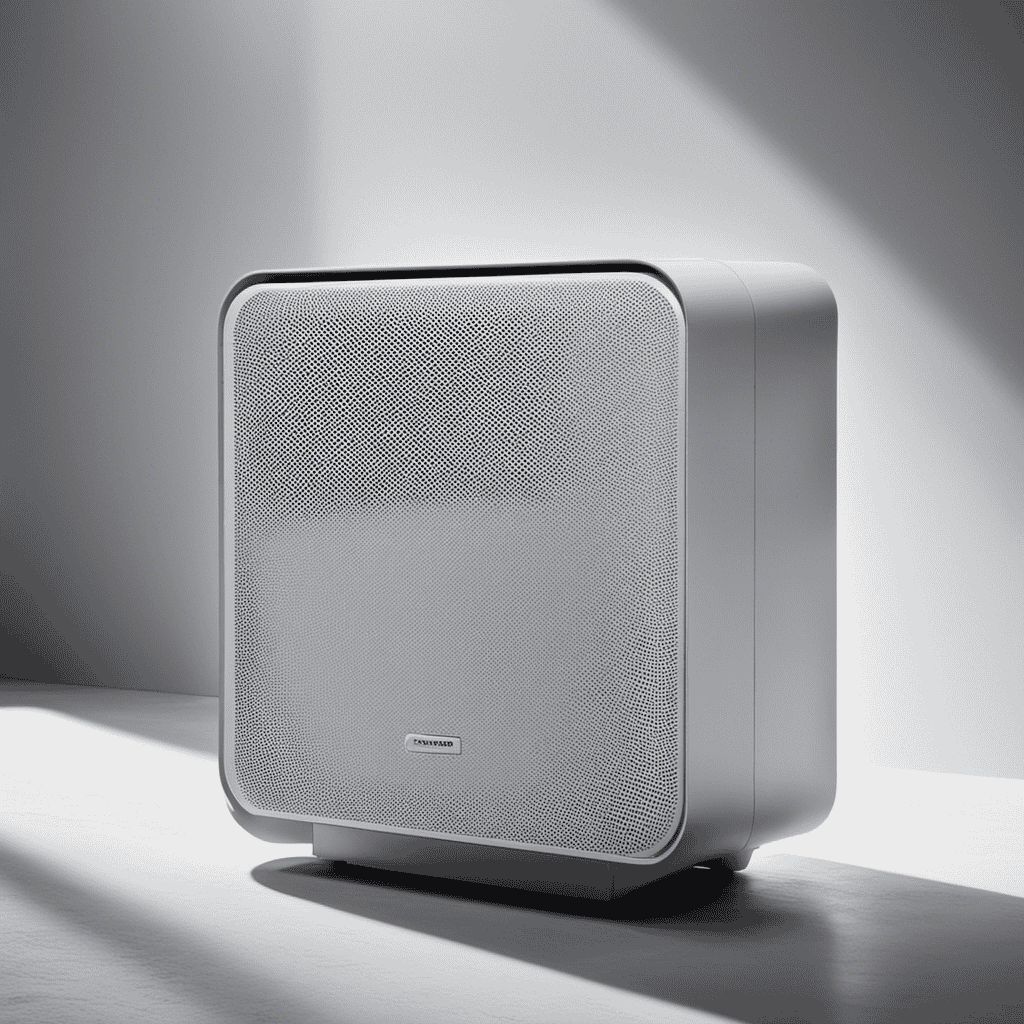
Air filtration plays an essential role in capturing fine dust particles before they settle on surfaces or are inhaled. High-efficiency particulate air (HEPA) filters are your best choice because they can trap particles as small as 0.3 microns, which includes most construction dust. Using portable air scrubbers fitted with HEPA filters helps to continuously clean the air, reducing the overall dust concentration in your space. It’s imperative to run these air filtration units during and after work hours to maintain a healthier environment. Additionally, sealing off work areas with plastic sheeting can contain dust within a specific zone, preventing it from spreading to other parts of your home or workspace. Combining physical barriers with effective air filtration creates a cleaner, safer environment.
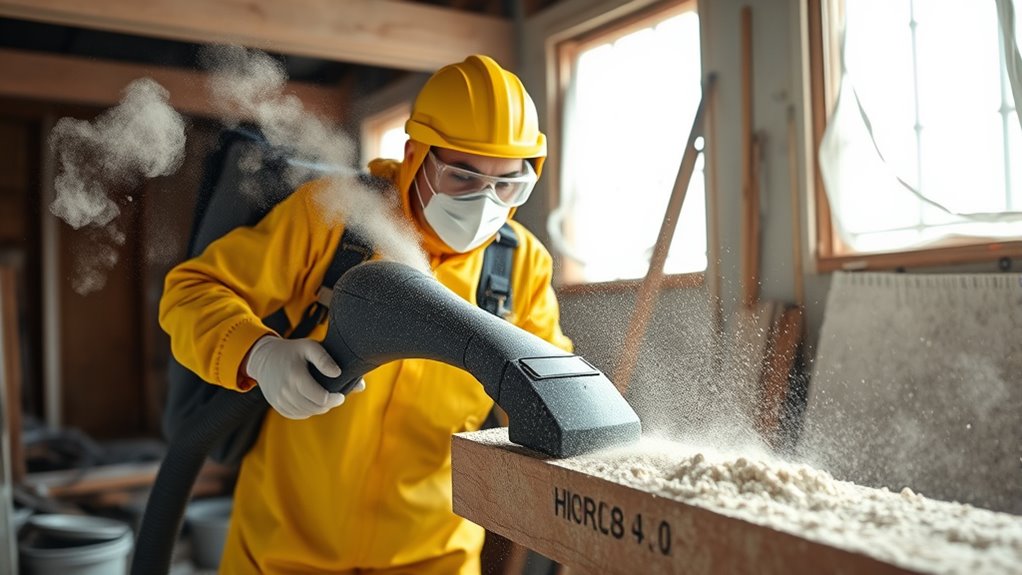
Protective gear is equally important in minimizing dust-related health risks. Wearing a well-fitted respirator or mask, such as an N95 or P100, ensures that you breathe in fewer airborne particles, reducing your risk of respiratory irritation or long-term health issues. Goggles or safety glasses protect your eyes from dust that can cause irritation or injury. Gloves and long-sleeved clothing help prevent skin contact with potentially hazardous materials. Remember, even if you’re just doing minor renovation work, dust can linger in the air and settle on surfaces, so don’t skip the protective gear. It’s a simple yet effective way to safeguard your health. Incorporating HEPA filtration into your cleanup routine can significantly improve air quality during and after construction activities.
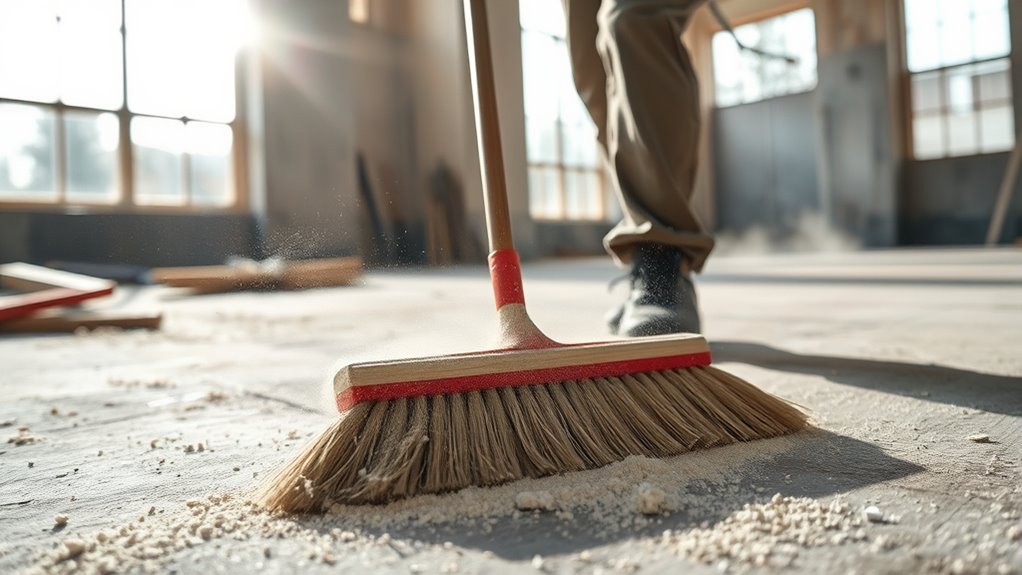
In addition to using air filtration and protective gear, regular cleaning is indispensable. Wet-dusting or vacuuming with a HEPA-filter vacuum can remove settled dust from surfaces, preventing it from becoming airborne again. Avoid sweeping dry dust, as it stirs particles into the air, making filtration less effective. After completing a project, consider a thorough cleaning of all surfaces and a continued run of air filtration devices to ensure no residual dust remains.

MOOKA Air Purifiers for Home Large Room up to 1076ft², H13 True HEPA Air Filter Cleaner, Odor Eliminator, Remove Smoke Dust Pollen Pet Dander, Night Light, B-D02L White
- Large Coverage Area: Covers up to 1076 ft² with 6 air changes/hour
- High-Efficiency Filtration: Captures pet hair, dander, smoke, and dust
- True HEPA Filter: Removes airborne particles as small as 0.3 microns
As an affiliate, we earn on qualifying purchases.
As an affiliate, we earn on qualifying purchases.
Frequently Asked Questions
What Are the Health Risks of Fine Dust Exposure During Renovation?
Exposure to fine dust during renovation poses serious health hazards, especially respiratory issues. You might experience coughing, wheezing, or shortness of breath, and prolonged exposure could lead to chronic lung problems or aggravate asthma. Fine dust can also carry harmful particles like asbestos or silica, increasing your risk of long-term health issues. To protect yourself, always wear proper masks and make sure good ventilation during renovation activities.
How Long Does It Take for Dust to Settle After Cleaning?
Did you know that dust can take up to 24 hours to settle after cleaning? The settling time varies based on factors like airflow and dust accumulation levels. Usually, it takes a few hours for dust to settle, but heavy or fine dust might linger longer. To guarantee safety, wait at least 24 hours before resuming normal activities, and consider using air purifiers to speed up the process.
Are There Eco-Friendly Methods to Remove Fine Dust Effectively?
Yes, there are eco-friendly methods to remove fine dust effectively. You can use air purification systems with HEPA filters to trap dust particles without harmful chemicals. Natural cleaning techniques like damp wiping surfaces and using plant-based cleaning products also help reduce dust while being environmentally friendly. Combining these methods improves indoor air quality, making your space safer and healthier without relying on harsh chemicals.
Can Children or Pets Be Safely Present During Dust Removal?
Think of dust removal like a delicate dance—children and pets are the stars. You shouldn’t let them be present during the process, as dust particles can settle like silent invaders. To guarantee child safety and pet protection, keep them away until the area is thoroughly ventilated and dust is cleared. This way, you protect your loved ones from inhaling harmful particles and make your space safe for everyone to return.
What Are the Costs Associated With Professional Dust Removal Services?
The costs for professional dust removal services vary depending on the size of your space and the level of cleaning needed. You should get a detailed cost estimation from providers, who often offer service packages tailored to different needs. Typically, prices range from a few hundred to over a thousand dollars, so it’s wise to compare quotes and services to find the best fit for your renovation or construction cleanup.
Conclusion
To keep your space safe and dust-free, stay vigilant and use effective cleaning methods. Regularly ventilate and employ high-quality filters to trap even the tiniest particles. Think of it as battling a relentless storm of dust—you need all your tools to conquer it. With consistent effort, you’ll create a cleaner, healthier environment that feels as fresh as a mountain breeze, making dust nightmares vanish like a puff of smoke.