To reduce fine PM from candle and incense burning, guarantee your space is well-ventilated by opening windows or using exhaust fans. Use a high-quality air purifier with a HEPA filter nearby to capture airborne particles immediately. Choose natural candles like beeswax or soy and avoid synthetic fragrances and dyes. Burning smaller amounts and maintaining good airflow can also help. Keep exploring these tips to create a safer and healthier indoor environment.
Key Takeaways
- Improve ventilation by opening windows and using exhaust fans during and after burning.
- Use HEPA air purifiers placed near the source to capture fine particulate matter promptly.
- Select natural, high-quality candles and incense with minimal synthetic additives to reduce pollutant emissions.
- Maintain optimal indoor humidity levels to help settle airborne particles and prevent prolonged suspension.
- Monitor indoor air quality with PM sensors and adjust burning or ventilation practices accordingly.
Candle and incense burning can add warmth and ambiance to your space, but they also release fine particulate matter (PM) that can harm your health. When you light candles or burn incense, tiny particles are released into the air, and these particles can substantially impact your air quality. Breathing in these fine particles over time may lead to various health effects, especially if you’re sensitive or have pre-existing respiratory conditions. Understanding how to reduce PM levels can make your environment safer and more comfortable.
Burning candles and incense releases fine particles that can harm your health; reducing exposure improves indoor air quality.
The primary concern with fine PM from candles and incense is that these particles are small enough to penetrate deep into your lungs. Once inhaled, they can cause inflammation, aggravate asthma, and even contribute to cardiovascular issues. Overexposure might also lead to symptoms like coughing, throat irritation, or shortness of breath. The health effects are more pronounced in vulnerable groups such as children, the elderly, or those with existing health problems. Hence, it’s essential to address these concerns to maintain good air quality and protect your well-being.
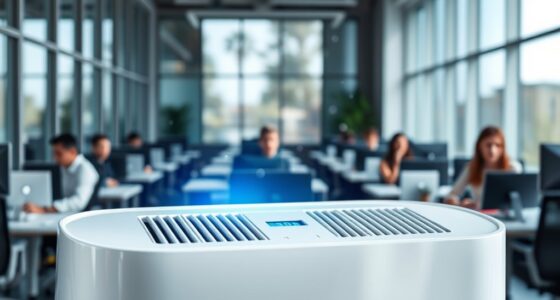
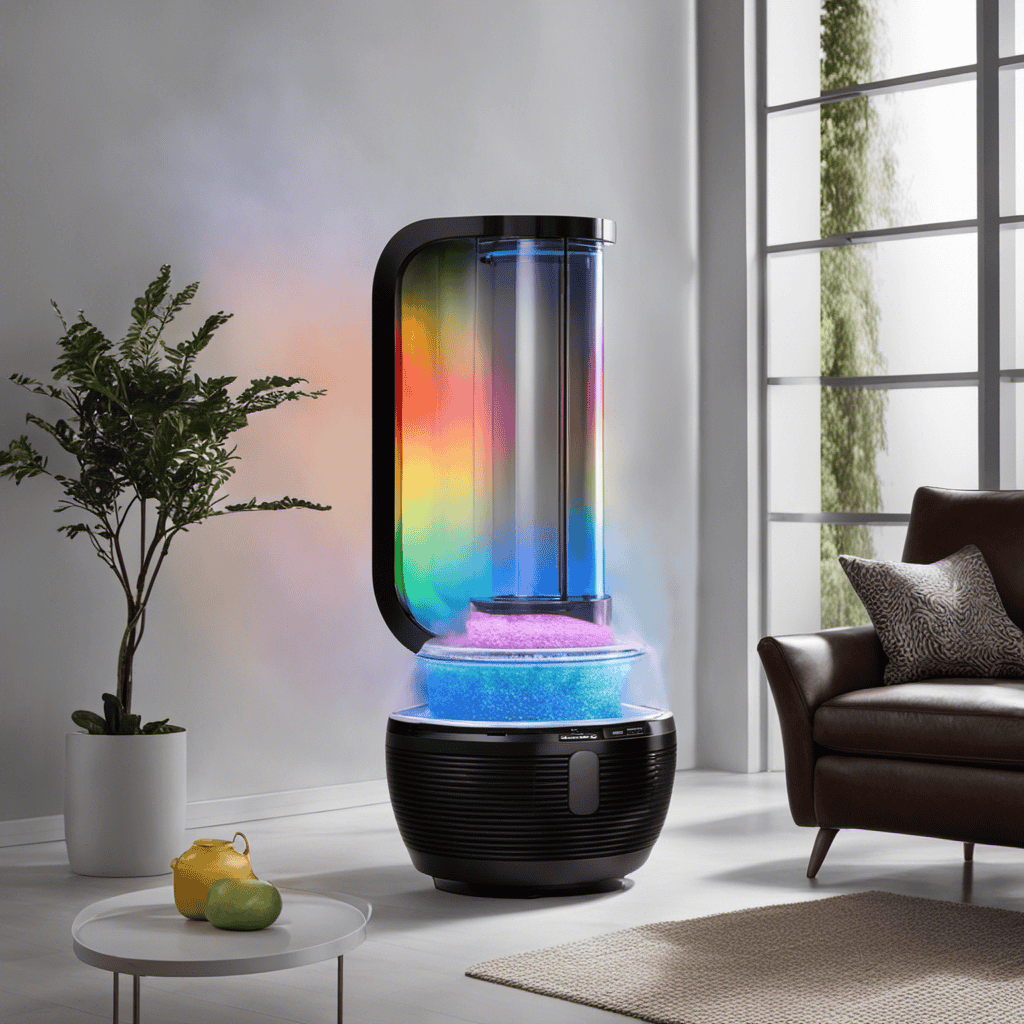
To reduce the presence of fine PM, you should consider improving ventilation whenever you burn candles or incense. Opening windows or using exhaust fans helps disperse airborne particles quickly, preventing their accumulation indoors. Air purifiers equipped with HEPA filters are highly effective at capturing fine particulate matter; running one during and after your candle or incense use can considerably lower PM levels. Positioning air purifiers close to the source of burning can help trap particles before they circulate throughout your space.
Additionally, selecting candles made from natural waxes like beeswax or soy wax can lessen PM emissions compared to paraffin candles, which often release more pollutants. Avoid candles with synthetic fragrances or dyes, as these can add to indoor air pollution. When burning incense, opt for high-quality, minimally processed varieties, and burn only small amounts at a time. Keeping the room at a comfortable humidity level also helps, as dry air can cause particles to linger longer. Using air quality monitors can help you track the levels of PM in your environment and adjust your habits accordingly.
Implementing these strategies can greatly improve your air quality and reduce health risks associated with fine PM. By actively managing how and when you burn candles and incense, you create a safer indoor environment. Remember, maintaining good ventilation, choosing cleaner products, and using air purifiers are key steps in minimizing the health effects caused by fine particulate matter in your home. Your efforts will not only enhance the ambiance but also safeguard your health and that of your loved ones.
Frequently Asked Questions
Can Indoor Plants Reduce Fine PM From Candles and Incense?
Indoor plants can help reduce fine PM from candles and incense if you place them strategically and guarantee good air circulation. Position plants near sources of smoke or in areas with poor airflow to maximize their filtration. Regularly rotate and clean your plants to keep them healthy, as healthy plants absorb more pollutants. Remember, while they can assist, plants shouldn’t be your only solution for indoor air quality.
Are There Specific Brands of Candles That Emit Less PM?
Did you know that some candles emit up to 10 times more particulate matter than others? You’re better off choosing low emission candles, like soy or beeswax options, which produce markedly less fine PM. Brands like Yankee Candle’s Clean Cotton or Big Dipper Wax Works offer low emission candles. For incense alternatives, try essential oils or electric diffusers to enjoy aroma without harmful particulates.
How Does Humidity Affect Fine PM Levels From Burning?
Humidity impact plays a significant role in fine PM levels from burning candles and incense. Higher humidity increases moisture influence, which helps trap fine particles, reducing their airborne concentration. Conversely, low humidity can cause particles to stay suspended longer, raising PM levels. You should consider maintaining moderate humidity in your space, as it can help decrease fine PM emissions and improve air quality when burning candles or incense.
Can Air Purifiers Completely Eliminate Fine PM Indoors?
Air purifiers greatly improve indoor air quality, but they can’t completely eliminate fine PM. Their efficiency varies depending on the filter type and device quality. You should choose models with HEPA filters for ideal removal of fine particles. While they considerably reduce PM levels, some tiny particles may still linger. Using an air purifier alongside good ventilation and other measures offers the best chance to improve your indoor air quality effectively.
Is There a Safe Amount of Candle or Incense Use Indoors?
You can enjoy candles and incense safely by practicing moderation. While there’s no absolute “safe” amount, limiting your use to well-ventilated spaces helps reduce potential risks. Prioritize candle safety by choosing high-quality options and avoiding overuse. If you’re concerned about indoor air quality, consider incense alternatives like essential oils or diffusers. Staying mindful of your indoor environment guarantees a cozy atmosphere without compromising your health.
Conclusion
By taking simple steps like ensuring proper ventilation and choosing cleaner-burning candles and incense, you can markedly reduce fine PM in your home. Imagine Sarah, who noticed less respiratory discomfort after switching to soy candles and burning incense in a well-ventilated space. Small changes like these make a big difference in improving indoor air quality. So, start today—your lungs will thank you for it!