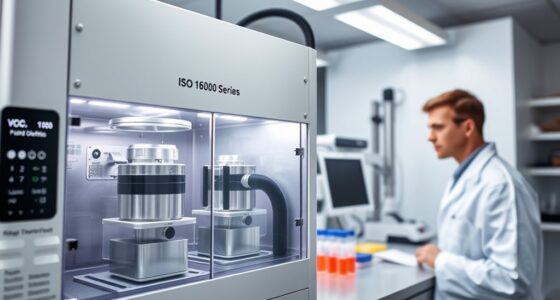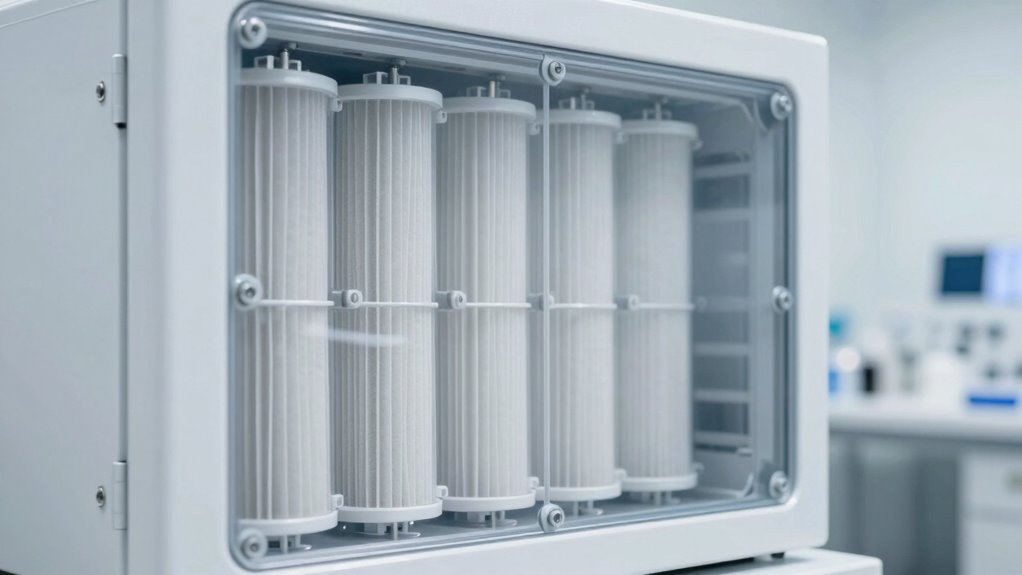

A sealed system is essential because even the best HEPA filter can’t do its job if air bypasses it through gaps or leaks. Proper sealing guarantees all air flows through the filter media, preventing pollutants from slipping past. Without a tight seal, contaminants like dust and bacteria can bypass the filter, reducing effectiveness and risking your health. If you want to understand how to keep your system airtight and effective, there’s more to discover below.
Listen free for 30 days with Audible
Thousands of audiobooks and originals — cancel anytime.
As an affiliate, we earn on qualifying purchases.
Key Takeaways
- Proper sealing ensures air passes through the filter media, maintaining HEPA effectiveness.
- Leaks or gaps allow unfiltered air to bypass the HEPA, reducing filtration efficiency.
- The integrity of the entire system is crucial; the ‘HEPA’ label alone doesn’t guarantee clean air.
- Regular maintenance and high-quality seals prevent contaminants from bypassing the filter.
- A sealed system maximizes filtration performance, prolongs equipment lifespan, and ensures healthier indoor air.
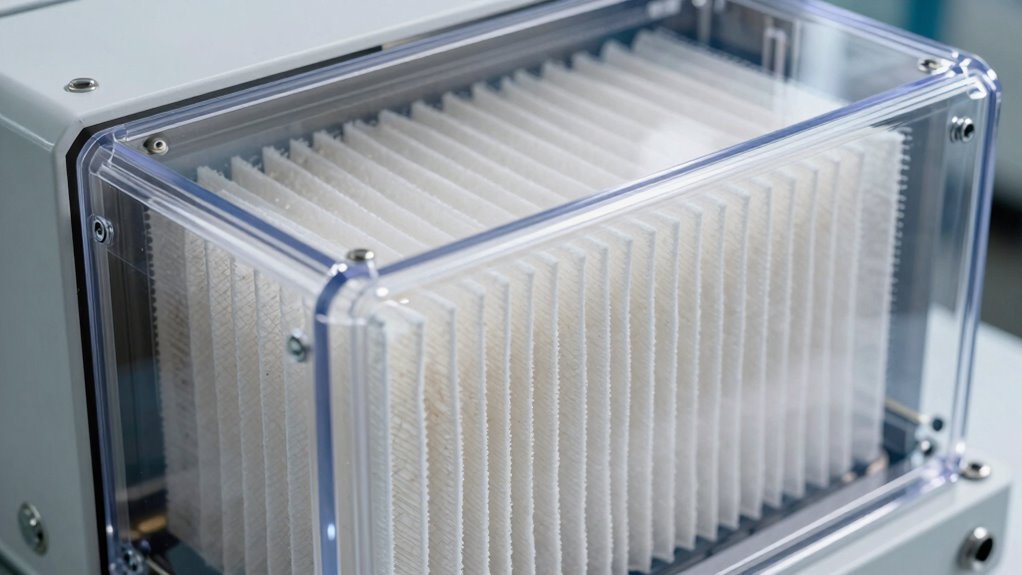
While HEPA filters are often praised for their ability to trap airborne particles, they’re only effective if the system surrounding them is properly sealed. Without a sealed environment, even the best filter can become useless. It’s easy to assume that a high-quality HEPA filter alone guarantees clean air, but that’s a misconception. The key to effective air filtration lies in maintaining system integrity. If gaps, leaks, or poorly sealed connections exist, contaminated air can bypass the filter entirely, defeating its purpose. Your goal should be to guarantee that the entire filtration system is airtight, so every particle has to pass through the filter before reaching your indoor space.
A sealed system creates a controlled environment where air flows directly through the filter media, not around it. This control is essential because it prevents unfiltered air from mixing with clean air, which can happen if the system isn’t airtight. When you have gaps or leaks, pollutants like dust, pollen, or even bacteria can slip past the filter undetected. This not only reduces the efficiency of your air filtration but also risks compromising the health benefits you seek from cleaner indoor air. Proper sealing also minimizes the workload on your system, allowing it to operate more efficiently and last longer. Effective sealing techniques are crucial for maintaining these standards and ensuring optimal performance.
System integrity isn’t just about sealing; it involves making sure every component aligns properly and stays secure. From the filters themselves to the ductwork and housing units, each part plays a role in maintaining a sealed environment. Regular inspections and maintenance are essential. Over time, seals can degrade or become damaged, creating pathways for unfiltered air. Investing in high-quality sealing materials and ensuring tight connections helps preserve the system’s integrity. Remember, a well-sealed system maximizes your investment in air filtration technology and ensures consistent, reliable performance. Furthermore, understanding the importance of system sealing techniques can help you identify and address potential vulnerabilities in your setup.
In the end, it’s clear that the word ‘HEPA’ alone doesn’t guarantee good air quality. You must prioritize the system’s overall integrity. When you focus on sealing every joint, connection, and access point, you enhance the effectiveness of your air filtration. This approach guarantees that the air passing through your system is thoroughly filtered, providing cleaner, healthier indoor air. By understanding that sealed systems matter more than the label ‘HEPA,’ you take a vital step toward creating a safer, more comfortable environment.
As an affiliate, we earn on qualifying purchases.
Frequently Asked Questions
How Do Sealed Systems Prevent Air Leaks?
Sealed systems prevent air leaks by tightly enclosing filters and components, ensuring no gaps or openings allow unfiltered air to escape or enter. You can achieve this through high-quality seals, gaskets, and secure fittings that maintain system integrity. Regular inspection and proper installation also help, so you keep air leak prevention effective, preserving the system’s performance and ensuring only clean, filtered air circulates in your environment.
What Materials Ensure the Integrity of a Sealed System?
You guarantee the integrity of a sealed system by choosing materials with high durability, like sturdy plastics or metals, that resist wear over time. Additionally, selecting sealants compatible with your materials guarantees a tight, lasting seal. Use flexible, chemical-resistant sealants for joints and connectors, and avoid porous or brittle materials that might crack or degrade, compromising the system’s airtightness. Proper material choice is essential for long-lasting, leak-proof performance.
Are Sealed Systems More Cost-Effective Long-Term?
They say “you get what you pay for,” and sealed systems prove this true. Yes, they’re more cost-effective long-term because of the significant cost savings on energy and replacements. Plus, their maintenance benefits mean fewer repairs and downtime. Although initial costs might be higher, the durability and efficiency of sealed systems save you money over time, making them a smart investment for your environment.
How Do Sealed Systems Impact Overall Air Quality?
Sealed systems improve your overall air quality by preventing unfiltered air leaks, ensuring that all contaminated air passes through effective air filtration. This containment keeps pollutants out of your living space, creating a healthier environment. Additionally, sealed systems enhance system durability because they reduce strain on filters and components, leading to fewer maintenance issues. Overall, a sealed system provides cleaner air and longer-lasting performance, making it a smart choice for your air quality needs.
Can Sealed Systems Be Retrofitted Into Existing Equipment?
Think of retrofitting sealed systems like fitting a custom suit to an existing frame—you can improve airflow optimization without starting from scratch. While it’s possible, you might face maintenance challenges, as sealing old equipment can be tricky and costly. Still, with careful planning and expert help, upgrading your current system can markedly enhance air quality, ensuring cleaner, healthier environments without the need for complete replacement.
Conclusion
Remember, a chain is only as strong as its weakest link, and sealed systems are your strongest defense against airborne contaminants. While HEPA filters are powerful, they can’t do their job effectively if air leaks undermine the system. By prioritizing sealed systems, you guarantee cleaner, safer air in your space. Don’t put all your eggs in one basket—strengthening the whole system means better protection and peace of mind.
NFL season / tailgating Picks
team gear
As an affiliate, we earn on qualifying purchases.