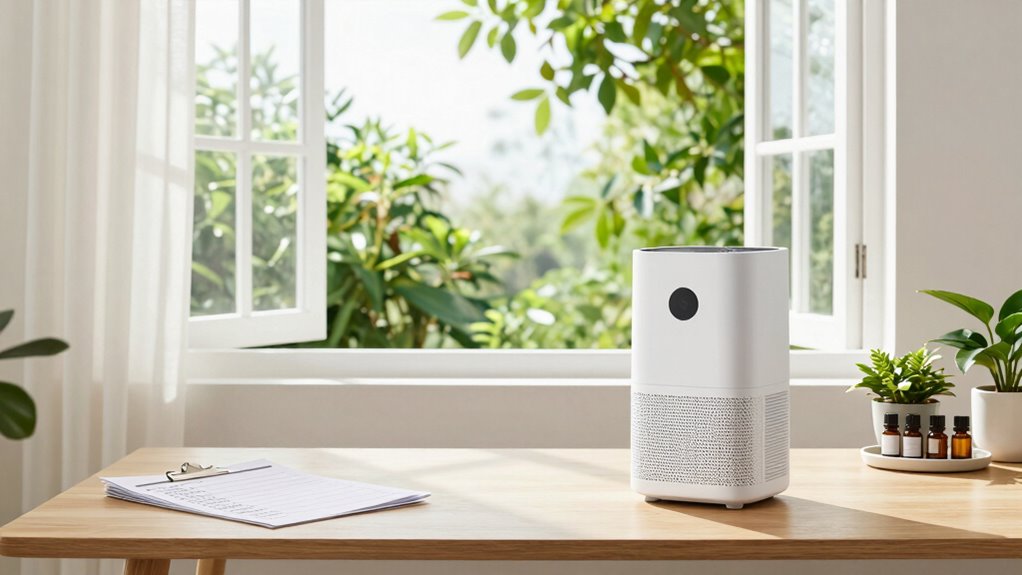

To reset your indoor air quality for spring and early summer, start by opening windows when weather allows to boost airflow. Upgrade ventilation systems and use exhaust fans to reduce humidity. Regularly service filters in your HVAC and air purifiers, and choose models with HEPA and activated carbon filters. Monitor air quality with sensors and adjust your routines accordingly. Keep your home clean and moisture levels balanced. Follow these steps, and you’ll discover more tips for a healthier home environment.

Get garden gear delivered free with Prime
- Fast, free delivery on millions of items
- Prime Video, Amazon Music and more included
- Member-only deals all year
Key Takeaways
- Open windows regularly to enhance natural ventilation during mild weather.
- Use air purifiers with HEPA and activated carbon filters in high-traffic areas.
- Monitor indoor air quality and adjust ventilation or purification strategies accordingly.
- Clean filters, vents, and reduce dust buildup to maintain optimal air quality.
- Control indoor humidity between 30-50% to prevent mold and dust mites.
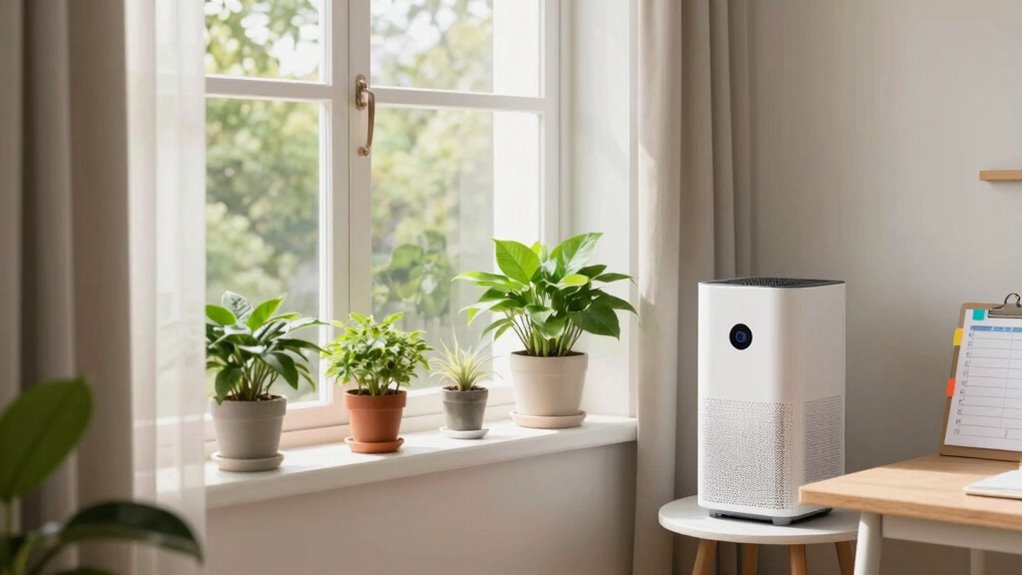
Maintaining healthy indoor air quality is essential for your comfort and well-being, especially as many of us spend more time indoors during spring and early summer. As the seasons change, so do the factors influencing your home’s air quality. To guarantee you’re breathing clean, fresh air, it’s a good idea to follow an indoor air reset checklist. This process starts with evaluating your ventilation improvements. Proper ventilation is key to reducing indoor pollutants, moisture buildup, and indoor allergens. During spring and early summer, open windows when weather permits to promote air exchange. Consider upgrading your home’s ventilation system if it’s outdated or insufficient. Installing exhaust fans in bathrooms and kitchens helps vent out excess humidity and odors, preventing mold growth and airborne irritants. If your home lacks a balanced ventilation system, think about investing in an energy recovery ventilator (ERV) or heat recovery ventilator (HRV) to improve airflow without sacrificing energy efficiency.
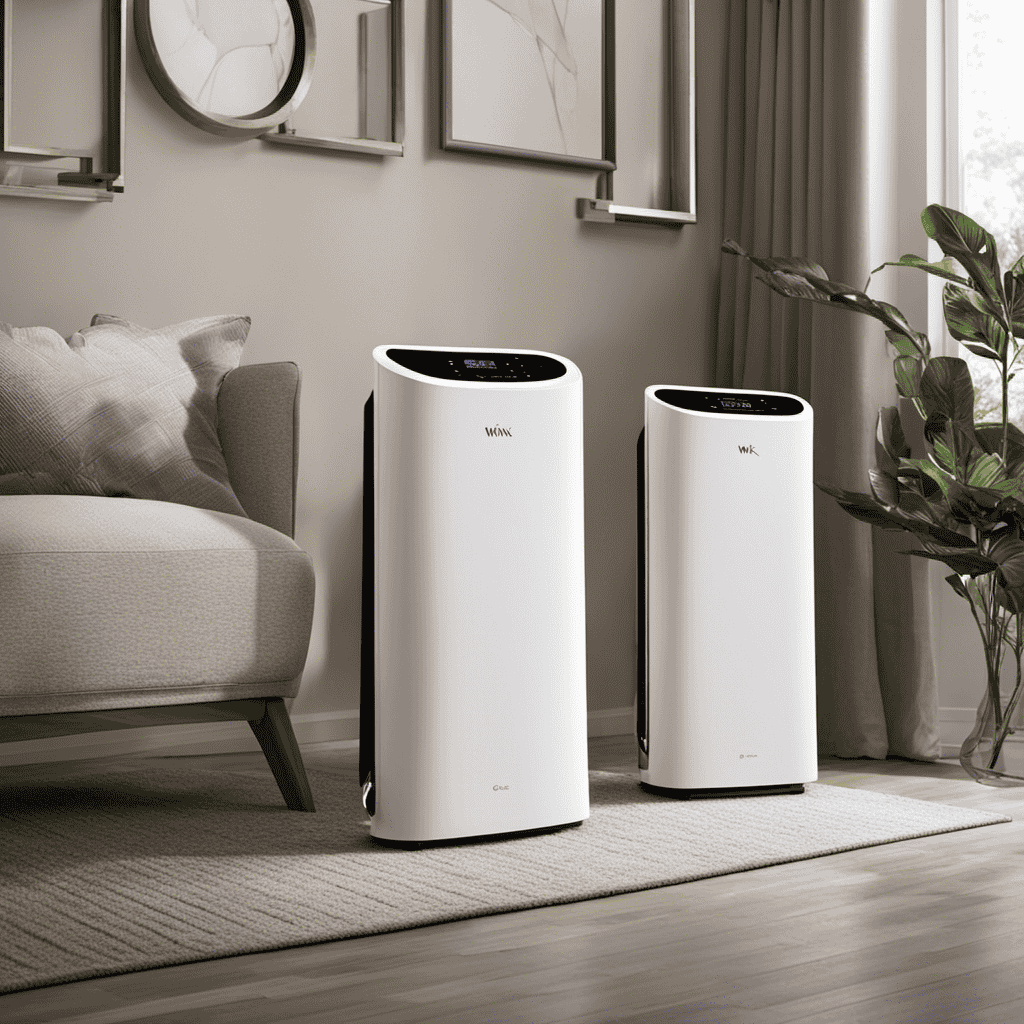
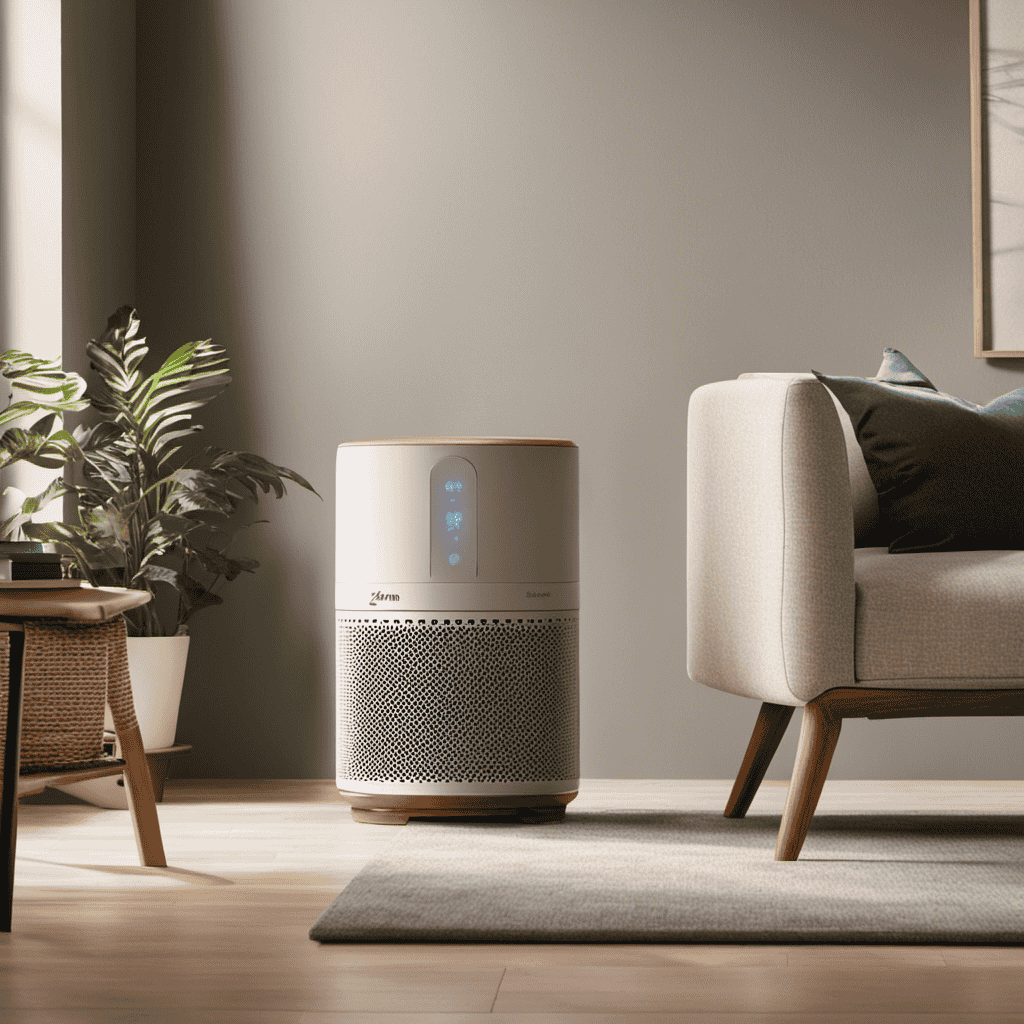
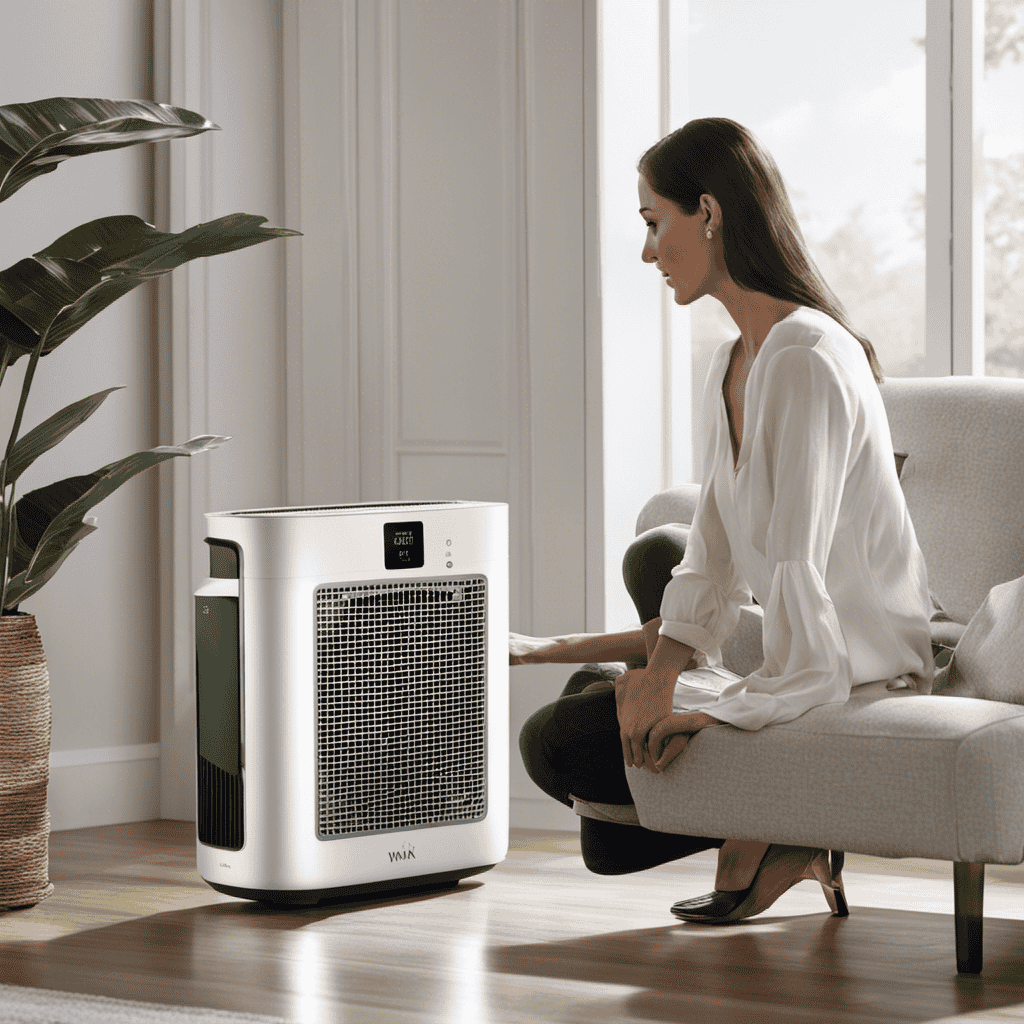
Next, focus on air purifier selection. An air purifier can markedly reduce airborne particles such as dust, pollen, pet dander, mold spores, and even some VOCs (volatile organic compounds). When choosing an air purifier, pay attention to the clean air delivery rate (CADR) and make sure it’s suitable for the size of your room. HEPA filters are highly effective at capturing small particles, so prioritize models with this feature. Activated carbon filters are also beneficial for absorbing odors and chemical vapors, especially if you’ve recently redecorated or introduced new furniture and plants. Keep in mind that air purifiers work best when used consistently, so set up one in high-traffic areas like the living room or bedrooms for maximum impact. Additionally, understanding indoor air quality can help you make more informed decisions about your home’s ventilation and purification needs. Regularly monitoring your indoor air quality levels using air quality monitors can provide valuable insights and help you adjust your strategies accordingly. Incorporating air quality data into your routine allows for more targeted improvements and increased awareness of potential pollution sources. Furthermore, ensuring proper filter maintenance is crucial for maintaining the effectiveness of your air purification systems and preventing the buildup of pollutants. In addition, choosing proper ventilation methods tailored to your home’s layout can significantly enhance air circulation and overall air quality.
Beyond ventilation improvements and air purifier selection, don’t forget to keep your home well-maintained. Regularly change filters in your HVAC system and portable air purifiers, clean your vents, and reduce clutter that can trap dust and allergens. Also, control indoor humidity levels between 30-50% to inhibit mold growth and dust mites. Use dehumidifiers if necessary, especially in basements or damp areas. Incorporate houseplants thoughtfully, as they can improve air quality but may also harbor mold if not properly cared for. Overall, this indoor air reset checklist helps you proactively improve your home’s air quality, making your living space healthier and more comfortable during the spring and early summer months.
HEPA air purifier for large rooms
As an affiliate, we earn on qualifying purchases.
As an affiliate, we earn on qualifying purchases.
Frequently Asked Questions
How Often Should I Perform the Indoor Air Reset During Spring?
You should perform the indoor air reset weekly during spring. Use air purifiers to remove pollutants and allergens, and implement ventilation strategies like opening windows or using exhaust fans to improve airflow. Regular resets help maintain fresh indoor air, especially as outdoor allergens increase. Consistent efforts guarantee your home remains healthy and comfortable, reducing indoor air pollution and supporting better respiratory health throughout spring and early summer.
Are There Specific Air Quality Tests Recommended Before Resetting Indoor Air?
Before resetting your indoor air, you should perform specific air quality tests using air quality sensors. These sensors reveal hidden pollutants, allergens, or VOCs that could be lurking unnoticed. Knowing these levels helps you determine if air purification is needed and guides your reset process. Ignoring this step might leave harmful particles behind, risking your health. Testing creates a clear picture, ensuring your indoor environment is fresh, safe, and ready for spring.
Can Indoor Plants Improve Air Quality During the Reset Process?
Indoor plants can indeed improve air quality during the reset process. Their benefits include natural air purification, as they filter toxins and increase oxygen levels. By adding plants like snake plants or pothos, you enhance overall indoor air quality, making your environment healthier. Plus, plants create a calming atmosphere, supporting your well-being during the seasonal change. Incorporate them into your space for both aesthetic and health benefits.
What Are Signs That My Indoor Air Quality Needs Resetting?
If you’re sneezing like a fog machine at a concert or your house smells like last week’s pizza, it’s time for an air quality reset. Signs include stuffy rooms, lingering odors, or constant dust. Use air purifiers and humidity control to clear the air. If your indoor environment still feels off, don’t hesitate to give your space a refresh—your lungs will thank you!
Is Professional Assistance Necessary for the Air Reset Process?
You don’t always need professional help for an air reset, but consider it if you face DIY challenges or cost concerns. A professional can accurately diagnose issues, guarantee proper equipment setup, and save you time and effort. If you’re comfortable with basic tasks and want to save money, a DIY approach might work. However, for complex problems or peace of mind, investing in professional assistance ensures your indoor air quality improves safely and effectively.
Conclusion
By following this indoor air reset checklist, you’re gently guiding your home toward cleaner, healthier air. Think of it as tending to a delicate garden—you nurture and refresh, creating a welcoming space for yourself and loved ones. With a little attention now, you’ll enjoy the subtle difference in comfort and well-being that comes from simply paying closer attention to your environment. After all, a gust of fresh air can make all the difference.
Fall yard work Picks
leaf blowers
As an affiliate, we earn on qualifying purchases.