
Square footage claims can be misleading because they often don’t account for layout, ceiling height, or how space is measured. Just knowing the total size doesn’t guarantee the space is functional or valuable. Poor design, wasted areas, or non-compliance with building codes can inflate size figures. Material quality and construction also impact a property’s worth far more than simple measurements. If you want to understand what truly matters in a property, there’s more to uncover ahead.

Get garden gear delivered free — and shop member deals
- Fast, free delivery on millions of items
- Access to Prime Big Deal Days deals on October 6–7
- Prime Video, Amazon Music and more included
Key Takeaways
- Total square footage can be misleading without considering layout, ceiling height, and usable space.
- Building code compliance affects measurement accuracy; some areas may be excluded or improperly counted.
- Material quality influences value and durability, often more than the size of the space.
- Builder practices and regulations impact the legitimacy of square footage claims.
- Design efficiency and functional layout can make smaller spaces feel more spacious and livable.
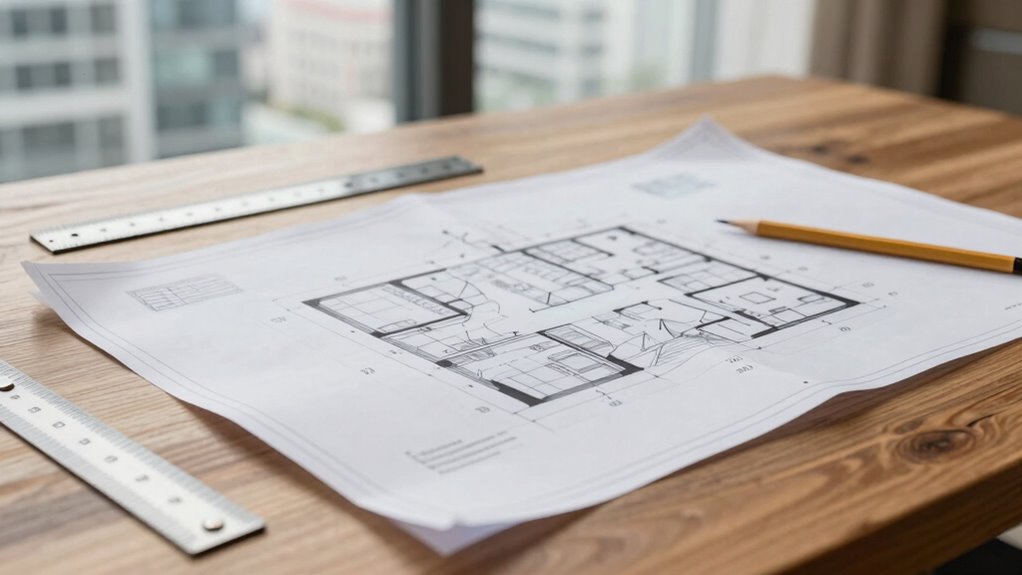
When you’re planning a construction project or purchasing property, understanding square foot claims is essential. These claims often seem straightforward—after all, they tell you how much space you’re getting for your investment. But the reality is, square footage doesn’t tell the whole story. Relying solely on these numbers can lead to misconceptions about a property’s true value and quality.
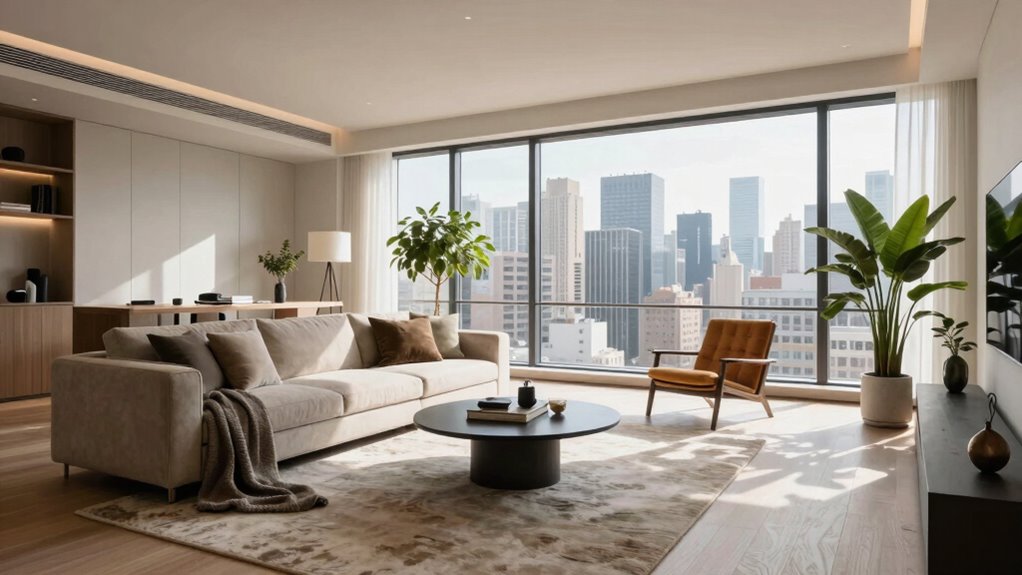
One reason square foot claims can be misleading is that they often ignore the details behind the numbers. For example, a home might boast a large total square footage, but that doesn’t automatically mean it’s a good deal. The way space is distributed, the ceiling heights, and the functional layout matter just as much as the raw number. A sprawling floor plan with wasted space can inflate square footage without providing meaningful living areas. Conversely, a smaller but efficiently designed space can feel much more spacious and comfortable.
Another critical factor that square foot claims often overlook is compliance with building codes. Building codes set the minimum standards for safety, health, and structural integrity. If a property’s square footage was measured without considering code-compliant spaces—like closets, hallways, or utility rooms—the claim can be inflated or inaccurate. Also, some builders might push the boundaries of these codes to maximize usable space, which can compromise safety or quality. So, when evaluating square footage, you should also consider whether the measurements align with local building codes and standards. Additionally, understanding building code compliance can help ensure that the measurements are accurate and legally valid. Being aware of regulatory standards can also prevent potential legal or safety issues down the line. Moreover, verifying measurement accuracy with professional assessments can help clarify any discrepancies. Recognizing the importance of material quality is essential, as it directly impacts the property’s overall value and longevity.
Material quality plays a significant role in the true value of a property, yet it’s rarely reflected in the square footage. High-quality materials can substantially enhance the livability, durability, and appearance of a space. If a home has extensive square footage but is built with cheap, low-grade materials, it might require costly repairs or renovations sooner than expected. Conversely, a smaller space with premium finishes and durable construction can offer a better long-term investment. Therefore, don’t let a high square foot claim distract you from evaluating the quality of the materials used in construction. Additionally, understanding digital security and how it impacts property transactions can help you avoid scams or false claims related to property sizes and features. It’s also wise to investigate the reputation of builders and contractors to ensure the materials and workmanship meet high standards.
professional building measurement tools
As an affiliate, we earn on qualifying purchases.
As an affiliate, we earn on qualifying purchases.
Frequently Asked Questions
How Do Different Measurement Standards Affect Square Footage Accuracy?
Different measurement standards can considerably impact square footage accuracy. Measurement inconsistencies arise when standards vary, making it hard to compare properties reliably. Standardization challenges occur because different organizations or regions may use distinct methods, leading to variations in reported size. As a result, you might overestimate or underestimate a property’s true size, affecting your buying decisions, pricing, or appraisal processes. Always clarify the measurement standard to guarantee accurate comparisons.
Can Square Footage Include Outdoor or Unfinished Spaces?
They say, “Don’t judge a book by its cover,” and that’s true for square footage too. Typically, outdoor spaces like patios and unfinished areas such as basements aren’t included in official square footage calculations. However, some listings or measurements may include these spaces, especially if they’re finished or usable. Always clarify what’s counted to get an accurate understanding of a property’s total space.
How Often Do Square Foot Claims Differ From Actual Measurements?
Square foot claims can often differ from actual measurements, sometimes by several percent, due to variations in interior layouts and construction materials. You might find discrepancies because builders measure differently or exclude certain areas like closets or basements. To get an accurate understanding, always verify measurements yourself or consult a professional. Remember, these claims provide a general idea but don’t always reflect the true space inside your home.
Do Real Estate Listings Always Verify Their Square Footage Claims?
Don’t judge a book by its cover, or in this case, a listing by its square footage. Real estate listings don’t always verify their claims, relying instead on historical trends and market fluctuations that can distort actual measurements. While some listings are accurate, others may exaggerate to attract buyers. Always verify square footage through a professional appraisal or measurement to guarantee you’re making an informed decision.
What Factors Can Cause Discrepancies in Square Footage Reports?
Discrepancies in square footage reports can stem from factors like differences in interior design, which may alter usable space, or property valuation methods that account for additional features or setbacks. You might also find variations due to measurement techniques or errors in official records. These discrepancies impact your understanding of a property’s true size, so always verify measurements and consider how interior design choices or valuation criteria influence reported square footage.
Conclusion
Remember, relying solely on square footage can be misleading—bigger isn’t always better. Did you know that homes with similar square footage can vary in value by up to 30% based on layout, location, and finishes? So, don’t just focus on size; consider how the space feels and functions for your needs. By looking beyond the numbers, you’ll make smarter decisions and find a home that truly fits your lifestyle.
Fall Picks
fall essentials
As an affiliate, we earn on qualifying purchases.