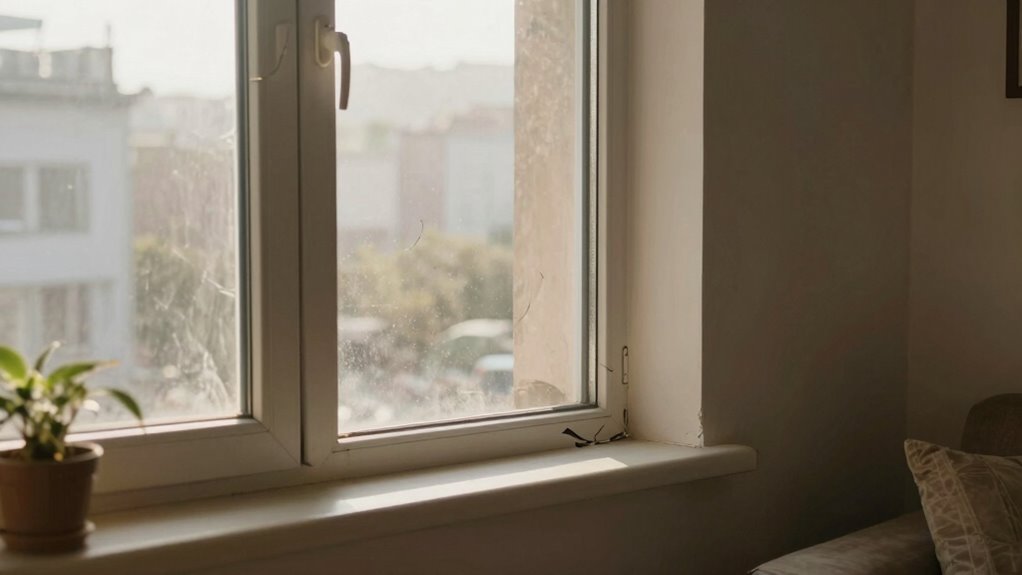
Even when you keep your windows closed, traffic pollution can sneak inside through small gaps around window frames, unsealed door edges, and utility penetrations like pipes and cables. Cracks in walls or foundations near entry points also allow tiny particles and fumes to enter, especially if your ventilation system lacks proper filters. Paying attention to these overlooked gaps and sealing them can make a big difference—there’s more to know about keeping your indoor air clean.

Get garden gear delivered free — and shop member deals
- Fast, free delivery on millions of items
- Access to Prime Big Deal Days deals on October 6–7
- Prime Video, Amazon Music and more included
Key Takeaways
- Gaps around window frames and door thresholds often go unnoticed during sealing.
- Utility penetrations like pipes and cables can serve as unnoticed entry points for pollutants.
- Cracks in walls or foundations near entry areas allow traffic pollutants to seep indoors.
- Ventilation system intakes without proper filters can draw in traffic emissions.
- Small openings and overlooked gaps enable tiny particles and pollutants to infiltrate homes.
Have you ever wondered if traffic pollution affects the air inside your home? It’s a valid concern, especially since vehicle emissions don’t just stay outside; they can slip inside and impact your indoor air quality. You might think that your home’s windows and doors keep out pollution, but the truth is, traffic-related pollutants can enter through overlooked entry points, compromising the air you breathe indoors. Understanding how traffic pollution gets inside is the first step toward protecting your health and creating a safer environment.
Vehicle emissions contain a mix of harmful pollutants, including nitrogen oxides, particulate matter, and volatile organic compounds. These substances are notorious for causing respiratory issues, allergies, and other health problems. While you can’t always see or smell traffic pollution, it doesn’t mean it’s not there. When your windows are open, or if your home isn’t properly sealed, these emissions find their way inside. Even with closed windows, gaps around doors, vents, and utility penetrations can serve as pathways for these pollutants to enter your living space.
Traffic pollutants can enter your home through gaps and unsealed openings, posing health risks indoors.
Most homeowners overlook these entry points, assuming that closing windows and sealing doors is enough. But vehicle emissions are tiny particles that can infiltrate through small cracks and openings that seem insignificant. For example, the gaps around your window frames, door thresholds, and where utility lines enter your house are often overlooked. These are the sneaky entry points that allow traffic pollution to seep into your indoor air, lowering overall indoor air quality without you realizing it. This is especially problematic in areas with heavy traffic or where homes are close to busy roads.
Furthermore, ventilation systems can inadvertently bring traffic pollution inside if they aren’t equipped with proper filters. Many homes rely on HVAC systems or exhaust vents that draw in outside air. If these systems aren’t fitted with high-quality filters designed to trap fine particles, they can circulate pollutants throughout your house. This means that even if you try to keep traffic out by keeping windows closed, your indoor air quality can still suffer due to the way your home’s ventilation system operates.
In essence, the simple entry points most homes forget—gaps, cracks, and poorly filtered ventilation—are the main channels through which traffic pollution infiltrates your indoor environment. Addressing these vulnerabilities isn’t complicated but requires awareness and proactive measures. Sealing gaps, upgrading filters, and being mindful of ventilation can considerably reduce the amount of vehicle emissions that make their way inside, helping you maintain a healthier indoor air quality. Recognizing these entry points is vital because your home isn’t as airtight as you might believe, and traffic pollution can quietly undermine your indoor environment, affecting your health and well-being over time. Additionally, using high-quality filters in your ventilation system can significantly decrease the infiltration of harmful particles, further safeguarding your indoor air.
As an affiliate, we earn on qualifying purchases.
Frequently Asked Questions
Can Indoor Plants Effectively Reduce Traffic Pollution Indoors?
Indoor plants can be effective at reducing traffic pollution indoors because of their plant efficacy in pollution absorption. They naturally filter airborne toxins and pollutants, improving air quality. By selecting plants known for their ability to absorb pollutants, such as spider plants or snake plants, you can enhance your home’s air quality. Keep in mind that multiple plants and good ventilation maximize their pollution absorption potential, making your indoor environment healthier.
Are Air Purifiers Alone Sufficient to Eliminate Traffic-Related Pollutants?
Air purifiers alone aren’t enough to eliminate traffic-related pollutants because of their limitations in filtering smaller pollutant particles. While they can reduce larger particles, many traffic pollutants, like ultrafine particles, are too small for standard purifiers to capture effectively. To improve indoor air quality, combine purifiers with proper ventilation, air filters, and source control. This multi-layered approach guarantees you better address various pollutant particle sizes and reduce traffic pollution indoors more effectively.
How Often Should I Clean or Replace Air Filters for Optimal Protection?
You should clean or replace your air filters regularly to maintain peak protection. Typically, filter maintenance involves checking filters every 30 days and replacing them every 3 months, or sooner if they look dirty. Follow the replacement schedules recommended by your filter manufacturer, especially if you notice reduced airflow or increased indoor pollutants. Consistent filter maintenance ensures your air purifier works effectively against traffic-related pollutants.
Do Certain Building Materials Help Block Outdoor Traffic Pollutants Better?
Ever wondered if your building materials can really block traffic pollutants? Certain materials, like brick or concrete, offer better building material efficacy by absorbing and blocking pollutants more effectively. They act as a barrier, reducing outdoor traffic pollution entry. Using high-quality insulation and sealed windows further enhances pollutant absorption, creating a healthier indoor environment. So, choosing the right materials isn’t just about durability — it’s about actively protecting your home from harmful traffic pollution.
What Are the Signs That Indoor Air Pollution Is Affecting Health?
You might notice symptoms like headaches, fatigue, or itchy eyes, which are signs that indoor air pollution is affecting your health. Pay attention to symptom recognition, especially if these issues worsen or persist. Poor indoor air quality can lead to long-term health impacts such as respiratory problems or allergies. If you experience these symptoms regularly, it’s time to improve ventilation, reduce pollutants, and consider air purifiers to protect your health.
Conclusion
Now that you know the hidden gateways traffic pollution sneaks through, think of your home as a fortress with secret entrances. By sealing these tiny openings, you shut out the invisible invaders trying to hitch a ride indoors. Protecting your space is like locking a treasure chest—preserving your health and peace of mind. Don’t let these overlooked entry points become the silent villains of your sanctuary. Take action today, and breathe easy tomorrow.
Fall Picks
fall essentials
As an affiliate, we earn on qualifying purchases.