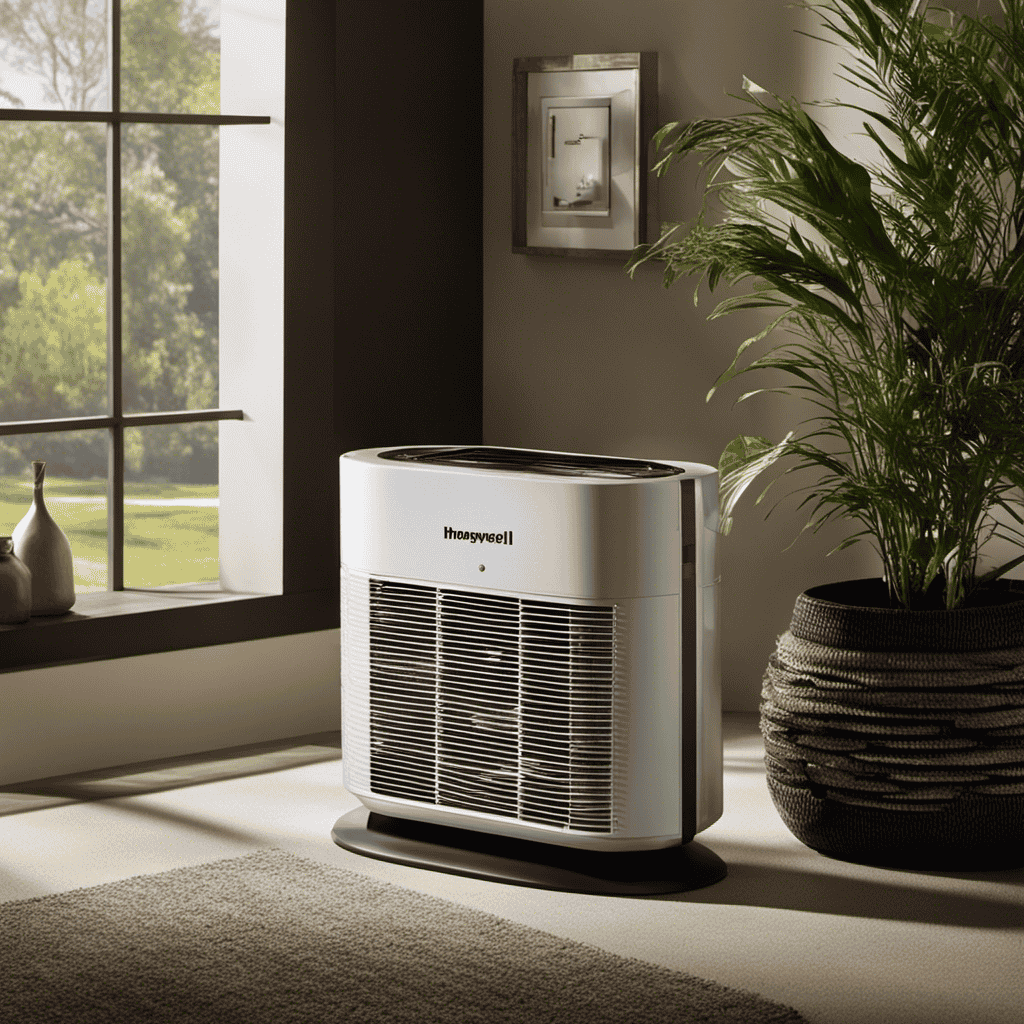

A musty smell usually points to underlying moisture issues or hidden mold growth, not just a problem with the air quality. It’s a sign that dampness and high humidity may be creating the perfect environment for mold to develop, especially if your indoor humidity exceeds 60%. Relying only on an air cleaner won’t fix these root causes. To find out how to address the real issue, keep exploring the signs that may be hiding in your home.

Get garden gear delivered free — and shop member deals
- Fast, free delivery on millions of items
- Access to Prime Big Deal Days deals on October 6–7
- Prime Video, Amazon Music and more included
Key Takeaways
- Musty smells often indicate hidden mold growth caused by excess moisture, not just air quality issues.
- Elevated indoor humidity levels (above 60%) promote mold development and musty odors.
- Moisture problems like leaks or poor ventilation are common root causes of musty smells.
- Air cleaners can remove spores and VOCs but do not eliminate the moisture source causing odors.
- Addressing underlying moisture and mold issues is essential for long-term odor removal and healthier indoor air.
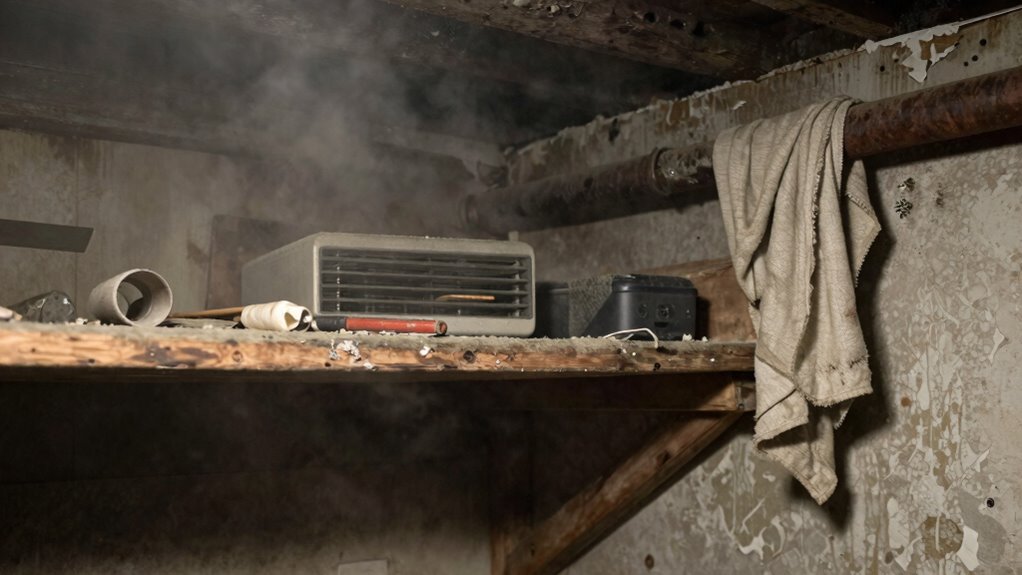
Have you ever noticed a persistent musty smell lingering in your home or belongings? That scent often signals more than just an unpleasant odor; it can be a sign of underlying issues like mold growth. When you detect that damp, earthy smell, it’s worth investigating the environment rather than immediately blaming your air cleaner. Mold thrives in areas with high humidity levels, which create the perfect conditions for spores to settle and grow. If your home has poor ventilation or experiences frequent moisture buildup, mold can develop unnoticed behind walls, under floors, or in hidden corners. This mold growth releases volatile organic compounds (VOCs) that cause that distinctive musty smell, alerting you to a hidden problem that needs addressing. Maintaining proper humidity levels is essential, as mold is encouraged to grow when indoor humidity exceeds 60%. Your humidity levels play a crucial role in controlling mold growth. When the air inside your home is consistently humid—above 60%—mold spores find it easier to settle and multiply. Conversely, lower humidity levels, ideally between 30% and 50%, make it harder for mold to thrive. If you often notice that the musty smell worsens in humid weather or after activities like cooking, showering, or laundry, it suggests that moisture is accumulating in your space. In such situations, using a dehumidifier can help regulate humidity levels, reducing the likelihood of mold growth and eliminating the musty odor. Additionally, fixing leaks, improving ventilation, and drying wet areas promptly are vital steps toward preventing mold from taking hold. It’s tempting to think that the smell is just an air quality issue that your air cleaner can fix. While air purifiers can help remove some airborne mold spores and VOCs, they don’t address the root cause—excess moisture and mold growth. Relying solely on an air cleaner without tackling the humidity problem often leads to the smell returning. You need to identify and eliminate the source of moisture first. This might mean inspecting your plumbing, sealing windows, or improving airflow in problem areas. Proper moisture control is essential for long-term mold prevention and comfort in your home. Regularly monitoring your indoor climate can help catch potential issues early, preventing mold from developing in the first place. Implementing moisture management strategies is key to maintaining a healthy indoor environment and preventing that persistent musty smell.
As an affiliate, we earn on qualifying purchases.
Frequently Asked Questions
Can Musty Smells Come From Outside Sources?
Yes, musty smells can come from outside sources. Outdoor pollutants like mold spores, mildew, or decaying vegetation can drift inside, impacting your home’s air quality. Poor ventilation worsens this effect, trapping odors indoors. To reduce these smells, guarantee proper ventilation and consider using an air purifier. Regularly inspecting and cleaning windows, vents, and filters helps keep outdoor pollutants from lingering inside and causing that musty odor.
How Long Does It Take to Eliminate Musty Odors?
Think of your space as a garden battling stubborn weeds. To eliminate musty odors, it might take a few days to a week with consistent air freshening and odor absorption techniques. Use ventilation, clean surfaces, and consider activated charcoal or baking soda. Keep at it daily, and you’ll notice the scent fading, like weeds being pulled out gradually—restoring freshness to your environment.
Are There Health Risks Associated With Musty Smells?
Musty smells can pose health risks, especially if mold growth is involved. Breathing in mold spores can trigger allergies, asthma, or respiratory issues. To reduce these risks, focus on mold prevention and odor absorption techniques, like improving ventilation and using absorbent materials. If the smell persists, it’s wise to inspect for hidden mold and clean thoroughly, ensuring a healthier indoor environment and minimizing potential health problems.
Do Musty Smells Indicate Mold Growth?
When musty smells hit your nose, it’s often a sign that mold growth is lurking. Yes, musty odors usually mean mold spores are present, but they could also stem from other odor sources like damp fabrics or hidden leaks. Don’t ignore the smell; it’s your nose’s way of warning you. Investigate thoroughly to confirm mold presence, as ignoring it can lead to health issues and structural damage.
Can Musty Odors Affect Air Quality Significantly?
Musty odors can markedly affect air quality because they often originate from mold, mildew, or trapped moisture, which release airborne spores and allergens. These odor origins can compromise indoor air, making it harder to breathe and potentially triggering allergies or respiratory issues. Proper air purification helps remove these airborne contaminants, improving your air quality. Addressing the source of the musty smell is essential for a healthier indoor environment and better air circulation.
Conclusion
So, next time you notice that musty smell lingering in your space, don’t rush to blame the air cleaner just yet. There could be hidden mold lurking behind walls or beneath floors, waiting to surprise you. Before you make any assumptions, take a closer look. Could there be a secret source of moisture that’s fueling the odor? Stay vigilant—sometimes, the true culprit is closer than you think, just waiting to be uncovered.
Fall Picks
fall essentials
As an affiliate, we earn on qualifying purchases.