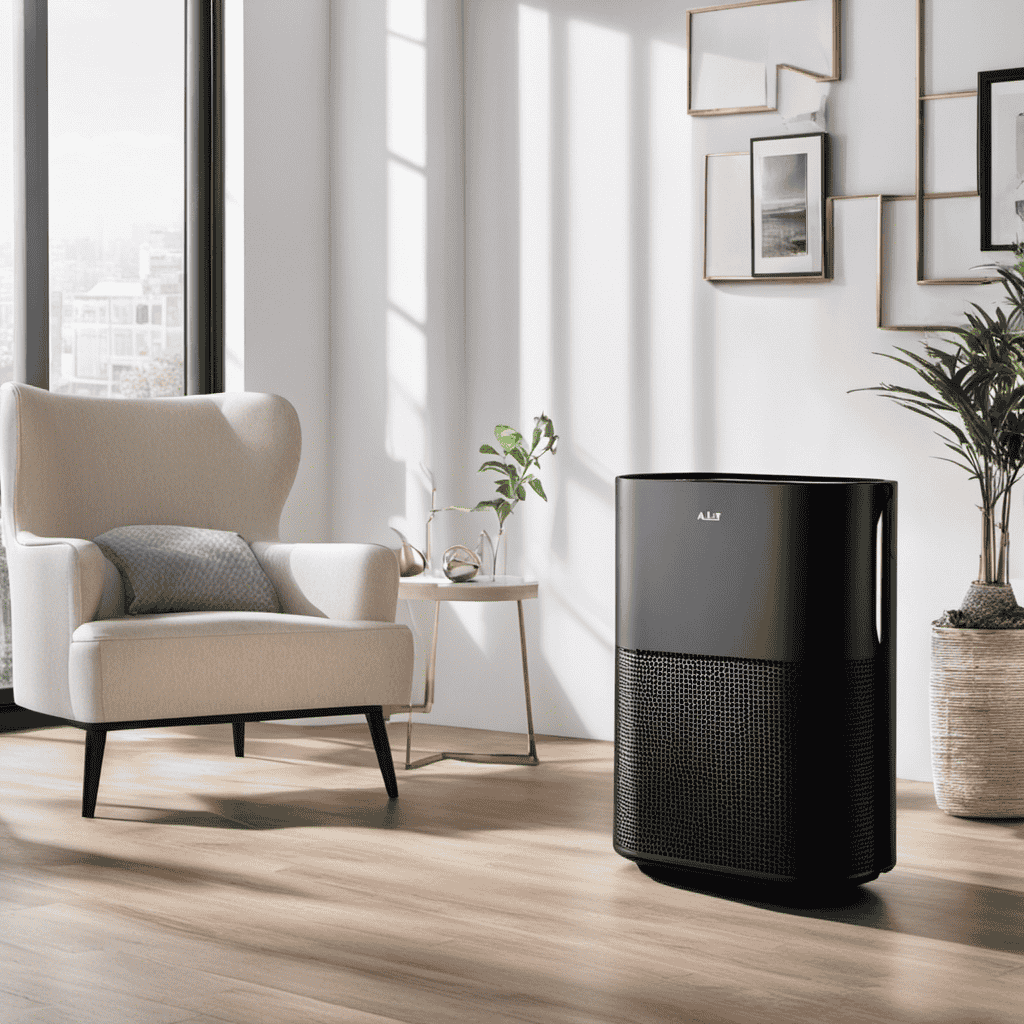

Pet smell often has more than one cause because odors can come from deep within fabrics like carpets and upholstery, as well as from your pet’s skin oils, fur, and dander. Accidents and health issues can also add to the problem. Each source contributes to lingering odors, so addressing only one may not fully eliminate the smell. If you want to understand how these causes work together, keep exploring how you can effectively tackle each one.

Get garden gear delivered free with Prime
- Fast, free delivery on millions of items
- Prime Video, Amazon Music and more included
- Member-only deals all year
Key Takeaways
- Pet odors can originate from deep fabrics, surfaces, and embedded organic compounds, not just surface dirt.
- Skin oils, fur, and dander transfer to household items, contributing to persistent smells.
- Accidents and spills require prompt, targeted cleaning to prevent lasting odors.
- Health issues or infections can cause stronger, ongoing pet odors beyond external sources.
- Multiple factors, including fabric, pet health, and accidents, often combine to create complex pet smells.
Pet odors can quickly become a frustrating issue for pet owners, often lingering despite regular cleaning. You might think that cleaning your home thoroughly should eliminate the smell, but sometimes, it persists. That’s because pet smell causes are often more complex than just dirt or fur on the surface. The causes can be varied, and understanding them is key to finding effective pet odor remedies.
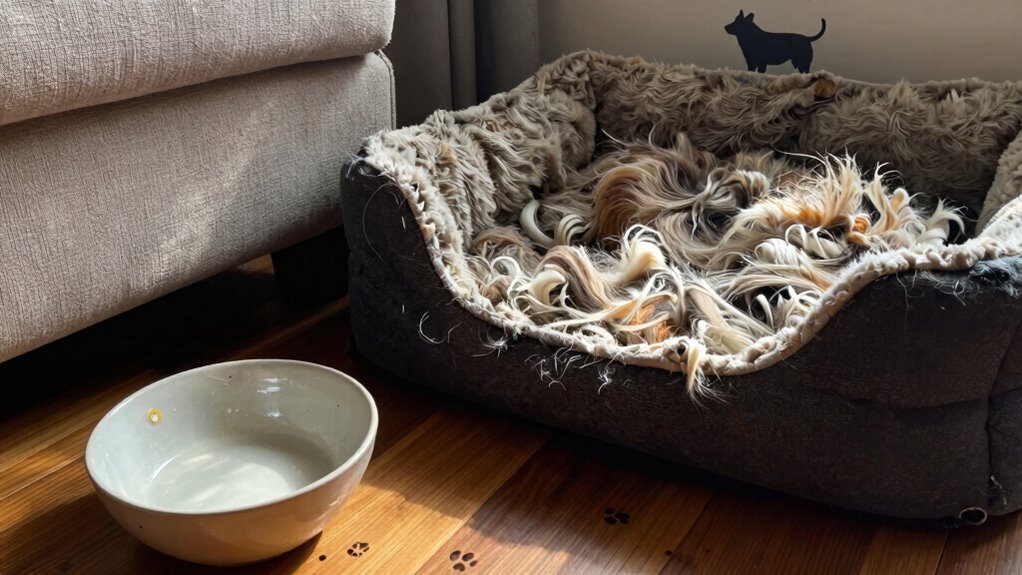
One main reason pet smell endures is that it seeps into fabrics and porous surfaces. Carpets, upholstery, bedding, and curtains can trap odors deep within their fibers. Even if you clean the surface, the smell might still hide beneath. To combat this, you need targeted cleaning tips that go beyond just superficial cleaning. Using enzymatic cleaners, for example, breaks down the organic compounds responsible for odors, rather than just masking them. Regular vacuuming combined with deep cleaning helps prevent these smells from building up over time.
Pet odors hide deep in fabrics; enzymatic cleaners and deep cleaning are key to lasting freshness.
Another cause of pet smell is related to your pet’s skin oils, fur, and dander. These substances can cling to your pet’s coat and transfer to your furniture and clothing. If you notice your pet smells a little stronger than usual, it could be due to skin issues or diet. Regular grooming, including bathing with pet-friendly shampoos, can significantly reduce these odors. Brushing your pet frequently also helps remove loose hair and dander before they settle into your home. Remember, consistent grooming isn’t just good for your pet’s health, but it also helps keep your house smelling fresh. Additionally, understanding pet skin health can help address underlying causes of persistent odors. Incorporating proper cleaning methods, such as using appropriate pet-safe cleaning solutions, is essential for thorough odor elimination.
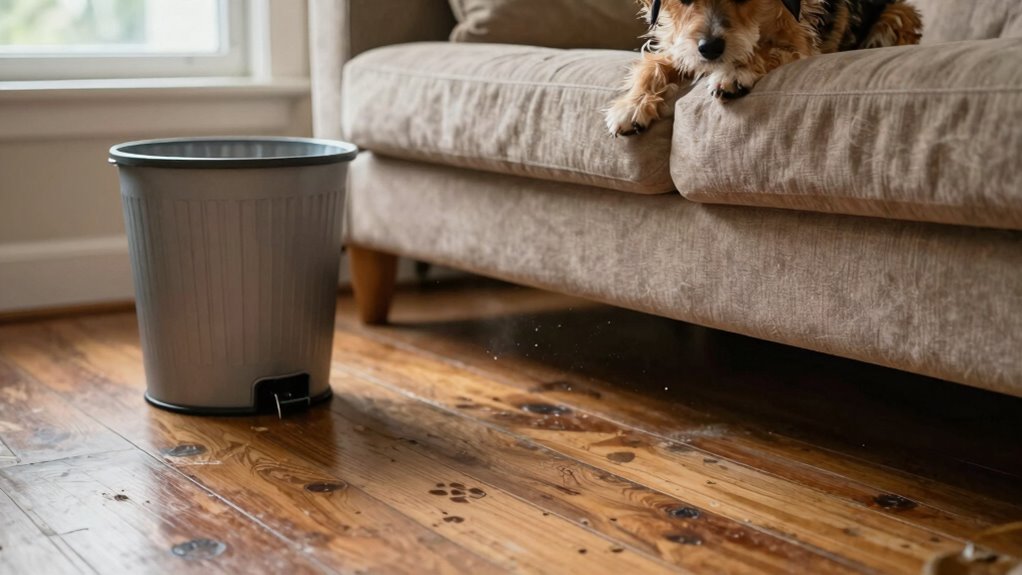
Accidents are another common source of persistent pet odors. Even well-trained pets may occasionally have mishaps, and if these aren’t cleaned immediately and thoroughly, they can cause lasting smells. When cleaning up accidents, it’s important to act fast and use appropriate pet odor remedies designed for urine or other stains. Blot the area without rubbing to prevent spreading the stain and odor deeper. Follow up with a cleaning solution formulated to neutralize pet odors effectively.
Sometimes, the cause isn’t just external but internal as well. Pets with health issues or infections tend to have stronger, more persistent odors. If your pet’s smell seems different or more intense than usual, consult your veterinarian to rule out health problems.
In essence, pet smell causes are multi-layered, involving fabrics, pet health, and accidents. By understanding these causes, you can apply proper cleaning tips and pet odor remedies that target the root of the problem, helping your home stay fresh and odor-free.
As an affiliate, we earn on qualifying purchases.
Frequently Asked Questions
Can Pet Smell Vary Depending on the Type of Pet?
Yes, pet smell varies depending on the type of pet because of different pet odor sources and scent variation. For instance, cats may produce a milder scent compared to dogs, whose scent can be stronger due to their active nature and skin oils. Small pets like hamsters or reptiles have unique odors influenced by their environment. Understanding these differences helps you manage pet odors effectively and choose cleaning routines suited to each pet’s scent profile.
How Long Does Pet Smell Typically Linger in a Home?
Pet smell can linger from days to weeks, depending on factors like air circulation and odor absorption. If you keep windows closed and airflow limited, the smell stays longer. Regular cleaning, deep ventilation, and using odor absorbers help reduce it. You clear the scent by improving air circulation and minimizing odor absorption, which speeds up the process of making your home smell fresh again.
Are Certain Breeds More Prone to Strong Pet Odors?
Yes, certain breeds are more prone to strong pet odors due to breed tendencies and scent predispositions. For example, breeds with oilier coats or those that produce more skin oils, like Basset Hounds or Cocker Spaniels, tend to emit more scent. Breeds with dense, curly fur, such as Poodles, generally have less odor. Understanding these breed tendencies helps you manage and reduce pet smells in your home more effectively.
Does Diet Influence the Intensity of Pet Smell?
Your pet’s diet acts like a brushstroke on their scent canvas, substantially impacting odor variation. When you choose high-quality, balanced food, it can reduce the intensity of pet smells, making them less overpowering. Conversely, certain diets high in fillers or allergens may amplify odors. So, the diet impact on your pet’s smell is real—what they eat influences how strong or subtle their scent becomes over time.
Can Specific Cleaning Products Eliminate All Pet Odors?
No cleaning product alone can eliminate all pet odors. You should use air purifiers to filter airborne smells and odor absorbers to target lingering odors on surfaces and fabrics. Combining these methods creates a more thorough approach, effectively reducing pet smells. Regular cleaning, combined with these tools, helps maintain a fresh environment, ensuring persistent pet odors don’t take over your space.
Conclusion
Understanding that pet smell often has multiple causes helps you address it more effectively. Did you know that pet odors can linger up to 10 times longer if not cleaned properly? By identifying whether it’s your pet’s skin oils, accidents, or bedding, you can target the right solution and keep your home smelling fresh. Remember, regular cleaning and grooming make a big difference, turning pet odors into distant memories rather than persistent problems.
Halloween Picks
halloween
As an affiliate, we earn on qualifying purchases.