TL;DR

Get garden gear delivered free — and shop member deals
- Fast, free delivery on millions of items
- Access to Prime Big Deal Days deals on October 6–7
- Prime Video, Amazon Music and more included
Yellowjacket colonies have many workers by late summer and fall, when their search for food brings them around sugary drinks, ripe fruit, trash and hummingbird feeders. Pest-control experts quoted by Country Living recommend covering food, cleaning spills, moving away calmly if wasps approach and getting professional help for nests near the home.
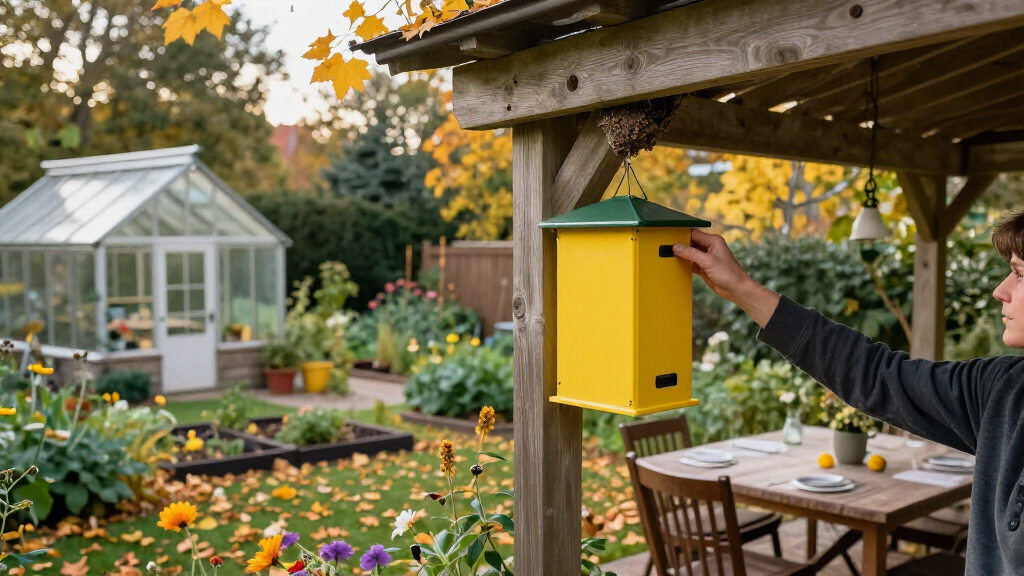
Yellowjackets are more likely to turn up around outdoor meals in late summer and fall, when colonies have large numbers of workers and the insects spend more time searching for food, according to pest-control experts interviewed by Country Living. Their advice is to cover food and drinks, clean up sugary residue and avoid swatting at wasps, which may respond defensively.
Bill Stodder, an Associate Certified Entomologist with Neuse Termite and Pest Control, told Country Living that colonies are nearing the end of their annual cycle in fall. Workers seek food, including soda, ripe fruit and trash, making outdoor eating areas and garbage cans common places to encounter them. The report describes the insects as more defensive around their nests during this period; behavior can vary with the circumstances and species.
Gordon Doran, CEO of Natran Green Pest Control, advises keeping food and drinks covered, wiping away spills, rinsing sugary containers before recycling and keeping garbage lids shut. He also recommends pouring drinks into a clear cup rather than drinking directly from a can, where a wasp could be hidden. Sweet-smelling personal-care products may attract yellowjackets as well, the report says, although it does not quantify that risk.
Hummingbird feeders can also attract the insects because of their sugar water. Doran suggests cleaning feeder surfaces and, if yellowjackets persist, considering a saucer-style feeder with feeding ports on top. Moving a feeder may disrupt wasps that have found it, but the report cautions that this can confuse hummingbirds.
Reducing Risk Around Outdoor Food
Yellowjackets near a meal are more than a nuisance: a wasp inside a drink can or around uncovered food can lead to an unexpected sting. Simple cleanup and food-storage steps reduce attractants, while calm movement may prevent an encounter from escalating. People with a history of severe allergic reactions to stings should follow their medical advice and seek emergency care for signs of a serious reaction.
The same insects also have a role in local ecosystems. Stodder told Country Living that yellowjackets prey on pests such as flies and aphids and serve as food for other wildlife. They can pollinate plants, though the report notes they do not do as much pollination work as bees. Avoiding a close encounter does not require treating every yellowjacket as a threat or attempting to eliminate every colony.
As an affiliate, we earn on qualifying purchases.
Yellowjackets are social wasps that build colonies. Their nests may be underground, including in old animal burrows, or in sheltered parts of buildings such as wall spaces, attics, beneath decks and under eaves. A nest entrance can be difficult to notice; repeatedly seeing wasps fly into and out of one spot may indicate a nearby colony, Stodder told the publication.
The report recommends checking sheltered areas around homes in spring, when queens may begin nests, and sealing openings that could provide access to wall voids. That seasonal prevention differs from handling an established nest: disturbing a colony can provoke defensive behavior, particularly when people or equipment get close to its entrance.
“Workers spend more of their time looking for food.”
— Bill Stodder, Associate Certified Entomologist at Neuse Termite and Pest Control, quoted by Country Living
Nest Size and Sting Risk Vary
The report does not provide a measured increase in sting incidents during fall or quantify how much particular scents or cleanup measures change the chance of an encounter. Colony size also depends on species and location; the article says some nests may hold as many as 15,000 individuals, not that all colonies reach that size. It does not identify a specific local outbreak or report a change in public-health guidance.
Whether a nest is active, how close it is to people and the safest response depend on the site. The article does not give product-specific instructions for treating nests, and it does not recommend that readers attempt to remove a large or concealed colony themselves.
Check for Nests, Then Get Help
Homeowners can inspect eaves, sheds, fences and other sheltered spots in spring and seal openings around buildings to reduce potential nesting sites. If yellowjackets repeatedly enter and leave a particular area, keep people away from the suspected entrance and contact a qualified pest-control professional for advice, especially for a nest in a wall, attic or other difficult-to-reach location. Do not disturb a suspected nest while trying to confirm its size or location.
For outdoor meals during the fall, keep drinks covered or in clear cups, remove ripe or fallen fruit and clean spills promptly. These steps can reduce food sources, but the report does not suggest they can guarantee that yellowjackets will stay away.
Key Questions
Why are yellowjackets more noticeable in fall?
Country Living’s experts say colonies have many workers by late summer and fall, and workers spend more time searching for food. That can bring them near sweet drinks, ripe fruit and garbage.
What should I do if yellowjackets approach?
Move away calmly and avoid swatting or running, which pest-control expert Gordon Doran says can prompt a defensive response. Keep food and drinks covered, and check cans or cups before drinking.
Can hummingbird feeders attract yellowjackets?
Yes. The sugar water can attract them. Clean the feeder and consider a saucer-style model with ports on top if wasps keep appearing; moving a feeder may also affect hummingbirds.
How can I tell if there may be a nest nearby?
Repeatedly seeing yellowjackets fly into and out of the same location may indicate a nest, according to Stodder. Nests can be underground or in sheltered parts of buildings. Keep clear and seek professional advice rather than disturbing the site.
Do yellowjackets serve a purpose in the ecosystem?
Yes. Stodder told Country Living that they prey on insects such as flies and aphids and are food for other wildlife. They can also pollinate plants, although the report says they do less pollination work than bees.
Source: rss
Halloween Picks
halloween
As an affiliate, we earn on qualifying purchases.