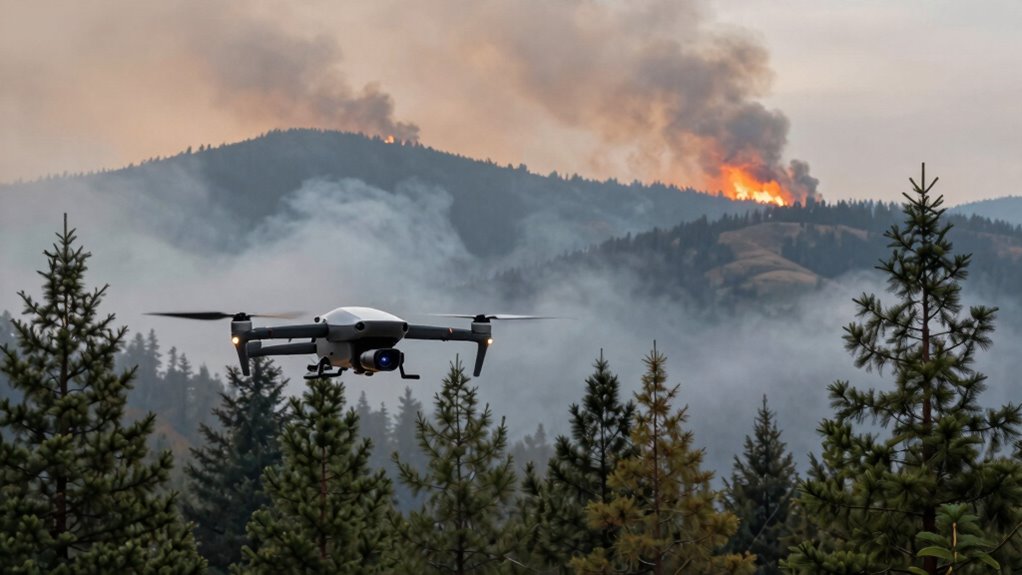
Before wildfire smoke arrives, set up alerts from your local fire agencies and weather services, including fire danger ratings, wind speeds, and temperature trends. Use notifications via text, email, or apps to stay informed about rising risks. These alerts help you reinforce defensible spaces, prepare emergency kits, and update your evacuation plans proactively. Staying ahead of fire threats is essential; exploring further ensures you’re equipped to act early and protect your loved ones effectively.
Key Takeaways
- Subscribe to local fire agency and weather service alerts for real-time fire danger ratings and weather updates.
- Set up notifications via text, email, or apps to receive timely fire risk alerts before smoke appears.
- Regularly review and update emergency plans based on alert information to ensure preparedness.
- Use alerts to reinforce defensible space and remove combustible materials around your property.
- Engage with community platforms to share and receive fire sightings and safety information proactively.
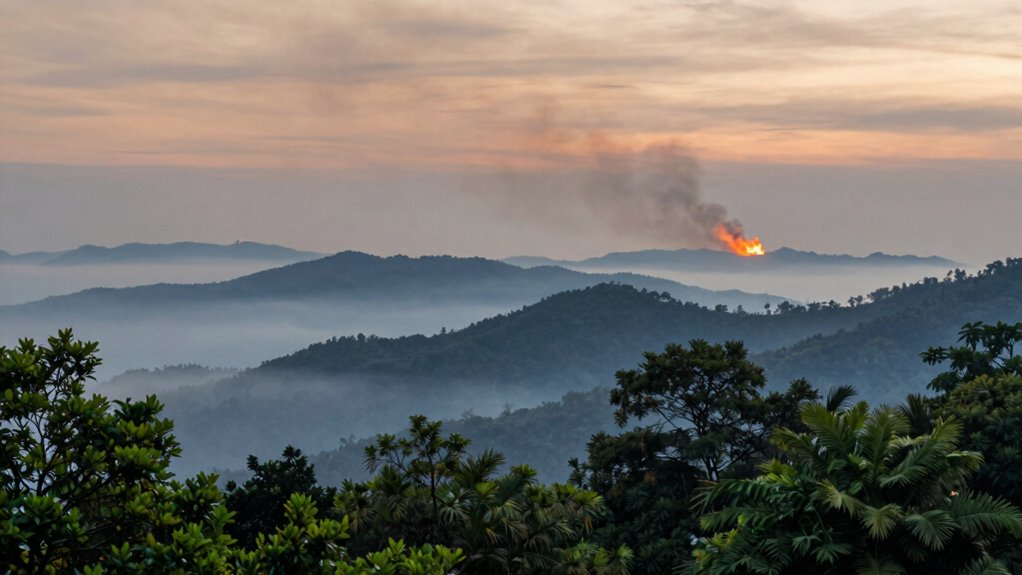
As wildfire season approaches, monitoring becomes more critical than ever to protect communities and natural landscapes. Staying vigilant and prepared can make the difference between safety and disaster. One of the most effective ways to do this is by setting up alerts that notify you of fire risks before smoke starts to fill the air. These alerts are essential tools in your fire prevention strategy, helping you respond early and minimize damage. By actively monitoring fire danger levels and weather conditions, you ensure your emergency preparedness plan is always current and actionable. This proactive approach allows you to evacuate promptly if needed, protect your property, and keep loved ones safe. Incorporating energy-efficient cloud solutions into your monitoring systems can enhance data processing and real-time alerts, ensuring faster response times. You should start by setting up alerts from local fire agencies and weather services. Many agencies offer real-time notifications via text messages, emails, or dedicated apps that alert you when fire risk levels rise or when unusual activity is detected. These alerts often include important information such as current fire danger ratings, wind speeds, and temperature trends, which are crucial in evaluating the threat. When you receive an alert indicating elevated risk, it’s essential to review your fire prevention measures—clear defensible space around your property, remove dead vegetation, and ensure firefighting tools are accessible. These small steps can greatly reduce the chance of fire spreading to your property. Emergency preparedness isn’t just about setting alerts; it’s about having a well-rehearsed plan in place. Use alerts as reminders to review or update your emergency plans regularly. Know your evacuation routes and have a kit ready with essentials like water, non-perishable food, medications, and important documents. Staying informed through alerts means you’re always aware of changing conditions, so you can act swiftly when necessary. It’s equally important to communicate your plan with family members and neighbors, especially those who may need assistance during an emergency. By integrating alert systems into your routine, you stay ahead of potential threats and avoid last-minute panic. Monitoring tools also include community-based platforms where residents can report sightings and share information about suspicious activity or fire outbreaks. Participating in these networks keeps you connected and enhances overall fire prevention efforts. Remember, the goal of these alerts isn’t just to react but to prevent fires from escalating. When you stay informed and prepared, you contribute to safer communities and healthier environments. So, before the smoke arrives, set these alerts, review your emergency preparedness, and stay vigilant. That way, you’ll be ready to act quickly and protect what matters most when wildfire season hits its peak.
Frequently Asked Questions
How Can I Receive Wildfire Alerts on My Smartphone?
You can receive wildfire alerts on your smartphone by downloading wildfire notification apps like FEMA, the Red Cross, or local agencies. Once installed, go to your smartphone alert settings and enable notifications for these apps. Make sure to customize your alert preferences so you get timely updates about nearby fires. This way, you’re always informed and can act quickly to stay safe during wildfire season.
What Equipment Is Essential for Wildfire Season Preparedness?
You need fire-resistant gear like gloves, masks, and clothing to safeguard yourself during wildfires. An emergency kit is essential, containing water, non-perishable food, medications, and important documents. Additionally, have a flashlight, batteries, and a portable phone charger ready. Stay prepared by regularly checking your gear and updating your emergency kit. Being proactive ensures you’re ready to act swiftly and stay safe when wildfire threats arise.
How Do Weather Patterns Influence Wildfire Risks?
You might notice how sudden shifts in weather patterns affect fire behavior, making wildfires more unpredictable. Hot, dry conditions with low humidity and gusty winds increase wildfire risks, while rain can suppress them. Weather forecasting helps you anticipate these changes, so you can stay prepared. Understanding how weather patterns influence fire behavior allows you to better protect your property and respond swiftly when conditions become dangerous, reducing potential damage.
Are There Community Programs for Wildfire Prevention?
Yes, community programs for wildfire prevention actively involve residents through community engagement and volunteer programs. You can participate in local fire safety workshops, neighborhood clean-up efforts, and firebreak clearing initiatives. These programs aim to reduce fire risks by educating residents, promoting defensible space, and encouraging collective responsibility. Getting involved not only helps protect your community but also builds stronger connections with neighbors committed to wildfire safety.
How Does Climate Change Affect Wildfire Frequency?
Climate change increases wildfire frequency by altering climate patterns, making conditions hotter and drier. As greenhouse gases trap more heat, you’ll notice longer droughts and more intense heatwaves, creating ideal conditions for fires to ignite and spread. These changing patterns mean you should stay alert and prepared, as the risk of wildfires grows with each rise in greenhouse gases, emphasizing the need for proactive monitoring and community resilience.
Conclusion
Don’t wait for the smoke to roll in—set your wildfire alerts now and stay ahead of the flames. By monitoring local conditions and using technology, you can protect yourself and your property. Remember, even in the age of smartphones, preparedness is your best defense. Think of it as having your own personal “firefighter” ready to alert you at a moment’s notice. Stay vigilant, stay safe, and be proactive before the smoke signals your next move.