TL;DR

Get garden gear delivered free with Prime
- Fast, free delivery on millions of items
- Prime Video, Amazon Music and more included
- Member-only deals all year
Gardening Know How reports that rosemary, lavender, fuchsia, holly and boxwood can be propagated from semi-ripe cuttings in October. Its method uses healthy stems, a free-draining rooting mix and a humid, bright spot away from cold drafts; rooting success and overwintering needs vary by plant and climate.
Gardening Know How has published an October propagation guide naming rosemary, lavender, fuchsia, holly and boxwood as candidates for growing from stem cuttings. The report says the plants can be started from semi-ripe, or semi-hardwood, growth—stems that are woody near the base but still green and flexible at the top—offering gardeners a way to raise replacements before spring.
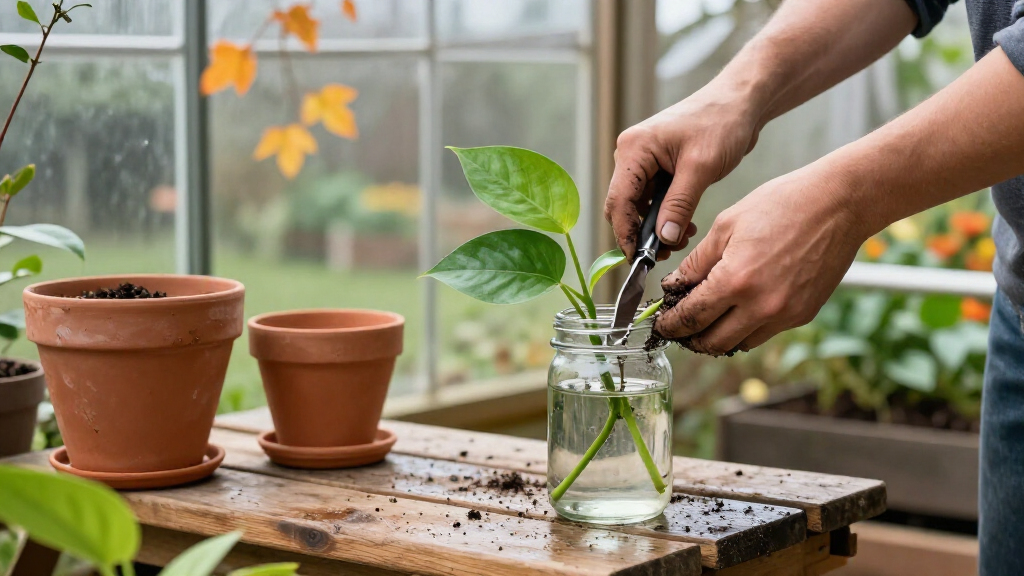
The article says fall stems have matured compared with soft summer growth and have a tougher exterior that makes them less prone to drying out. It recommends taking healthy, non-flowering stem tips about 4 to 6 inches (10 to 15 centimetres) long, cutting just below a leaf node. Remove lower leaves, leaving some at the top, and place the bare lower node in the rooting mix.
Use a small pot filled with a sterile, well-draining rooting medium. A rooting hormone may help some plants, the report says, but it is not always needed. After firming the mix and watering it, cover the pot with a clear plastic bag to hold humidity. Keep it in bright, indirect light away from cold drafts, and keep the medium moist rather than waterlogged.
The guide says new leaves may appear within a few weeks, but suggests checking for resistance with a very gentle upward tug if growth is not visible after a month. Once rooted, gradually expose the cutting to room air by opening or trimming the bag over several days. Keep the young plant watered and protected over winter, with planting out planned for the following spring.
A Head Start on Spring Planting
For gardeners, the practical appeal is that one established plant can provide several new starts without buying mature replacements. Taking cuttings in October also gives them time to develop roots before the next planting season, although the source does not guarantee that every cutting will succeed or become ready for outdoor planting by spring.
The method may be useful for preserving garden favourites or preparing plants to share. The main constraints are moisture control, light and winter conditions: cuttings have no roots at first, so they need humidity, while overly wet rooting mix can cause problems, particularly for rosemary and lavender. Local climate also affects whether young plants can remain outdoors.
As an affiliate, we earn on qualifying purchases.
How October Cuttings Differ
The five plants named in the report are rosemary, lavender, fuchsia, holly and boxwood. The source provides specific care cautions for some: rosemary and lavender need sharply draining mix, and lavender stems should be flexible rather than woody. Fuchsia cuttings can serve as indoor winter backups in climates where plants may be at risk outdoors.
October propagation here means semi-ripe cuttings, not soft, tender summer tips or fully woody stems. The article advises using clean, sharp bypass pruners to make an uncrushed cut. It does not provide separate step-by-step instructions for holly and boxwood beyond the shared method, so gardeners should not assume all five root at the same speed or need identical winter care.
“The current season’s growth is mature.”
— Gardening Know How
Rooting Rates and Winter Care
The guide does not give success rates, a precise rooting timetable for each species, or detailed care instructions for holly and boxwood. Its estimate that fresh leaves may appear in a few weeks is a general indicator, not a guarantee that roots have formed; the gentle tug test is offered as another check.
Whether a cutting can stay outdoors depends on local climate and shelter. The source advises keeping lavender indoors in colder climates and says rosemary may remain outside only where conditions are mild and protected. It does not specify temperature thresholds, so gardeners should adapt winter placement to their conditions.
Check Roots Before Spring
Gardeners following the guide should monitor cuttings over the coming weeks for fresh growth and signs of firm, healthy stems. After confirming roots, they can remove the humidity cover gradually, continue watering, and keep plants protected through winter. The source recommends planting them out the following spring, but gives no fixed date; readiness and outdoor conditions will determine timing.
Key Questions
Which plants does the October guide recommend?
It names rosemary, lavender, fuchsia, holly and boxwood as plants to try from semi-ripe cuttings.
What is a semi-ripe cutting?
It is a stem with a woody base and a green, flexible tip. The guide recommends healthy growth without flowers.
Do cuttings need rooting hormone?
No. The report says rooting hormone may help some plants, but is not always necessary. It places more emphasis on a suitable cutting and a well-draining rooting mix.
How can I tell if a cutting has rooted?
Fresh leaves may appear after a few weeks. If growth is not visible after a month, the guide suggests a very gentle upward tug; resistance can indicate roots. Avoid pulling hard enough to disturb the cutting.
Should October cuttings stay outdoors over winter?
That depends on the plant and climate. The source advises indoors in colder conditions for lavender and suggests sheltered outdoor placement for rosemary only in mild climates. It does not give a universal temperature cutoff.
Source: rss
Halloween Picks
halloween
As an affiliate, we earn on qualifying purchases.