TL;DR

Get garden gear delivered free with Prime
- Fast, free delivery on millions of items
- Prime Video, Amazon Music and more included
- Member-only deals all year
A Country Living report featuring Master Gardener Rhonda Fleming Hayes lists nine spring-flowering bulbs that deer tend to avoid because of their odor, taste or toxic compounds. Hayes cautions that deer may still eat plants labeled deer-resistant, especially when drought or habitat loss affects their food supply.
Master Gardener Rhonda Fleming Hayes recommends nine spring-flowering bulbs that deer tend to avoid, according to a Country Living report on fall planting. The list includes alliums, daffodils and snowdrops, but Hayes cautions that deer resistance is not a guarantee: animals may eat plants they usually avoid when conditions such as drought or habitat loss limit other food.
Hayes, author of Garden for Life: Strategies for Easier, Greener, More Joyful Gardening as We Age and the Substack The Garden Buzz, says she takes deer into account when choosing spring bulbs. She identifies nine options and links their resistance to pungent smells, bitter flavors or toxic compounds. The source does not give planting depths, local growing-zone guidance or a comparative success rate for the selections.
Her recommendations are allium, Anemone blanda, calla lily, daffodil, fritillaria, snowdrop (Galanthus), grape hyacinth, Siberian squill (Scilla) and winter aconite. Hayes says deer tend to avoid alliums for their strong odor and flavor, anemones for their bitter taste, and fritillaria and grape hyacinths for their musky or skunky smell. She attributes deer avoidance of daffodils and Siberian squill to alkaloids, and describes snowdrops and winter aconite as containing toxic compounds. Calla lilies also contain toxic compounds, the report says.
Hayes advises against planting tulips where deer regularly visit. Unlike the listed bulbs, she says, tulips lack the toxic alkaloids and unpleasant tastes or aromas that may discourage browsing. Gardeners who want tulips could try them in window boxes or containers near the house, which Hayes says might deter deer. That is a suggestion, not a guarantee of protection.
Choosing Bulbs Deer Often Avoid
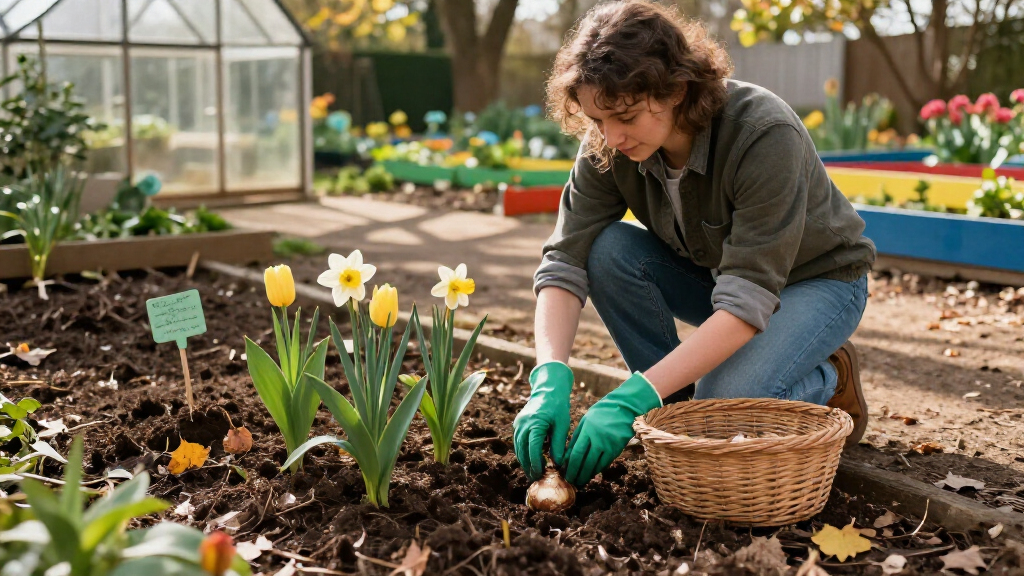
For gardeners planting in fall, the recommendations offer a way to select spring color while potentially reducing losses to deer. The distinction matters because bulbs represent an investment of money, time and effort, as Hayes puts it, and browsing can undo that work before flowers appear. Choosing plants deer tend to avoid may lower the risk, but it cannot remove it.
The list also gives readers a practical starting point rather than a promise that a particular bulb will remain untouched. Local conditions and deer behavior can vary, and the source does not compare these plants across regions or specify how reliably each one resists browsing. Gardeners should treat the recommendations as informed guidance and account for local growing conditions when selecting bulbs.
Products Worth Considering

Philips Hue Festavia Globe Outdoor String Lights, 32 Bulbs, 91 ft

Levoit Vital 100S-P Air Purifier with Washable Pre-Filter

Samsung 48-Inch S90H OLED 4K Smart TV (2026)
As an affiliate, we earn on qualifying purchases.
Why Deer Resistance Varies
Deer commonly browse garden plants, but Hayes’s guidance is that they do not eat every type of bulb equally. The plants in her list have characteristics that can make them less appealing, including bitter taste, strong odor or toxic compounds. Those traits help explain the recommendations, but the report does not describe deer resistance as immunity.
Hayes says deer may become less selective when drought or habitat loss changes food availability. That caveat is central to interpreting the list: a plant’s usual resistance may not hold in every yard or season. The report offers tulips as the contrast, advising gardeners with frequent deer visits to avoid planting them in exposed beds.
“I always consider deer when I plant spring-blooming bulbs. I don’t want to waste my money, time, or energy.”
— Rhonda Fleming Hayes, Master Gardener
Resistance Is Not Guaranteed
The source does not report how often deer eat each of the nine recommended bulbs, or whether one is more resistant than another. It also provides no region-specific planting advice or evidence from trials comparing the plants. Hayes’s warning is that deer may browse even plants labeled resistant, particularly when drought or habitat loss affects their food supply.
It is also unclear how effective nearby containers or window boxes would be at keeping deer away from tulips. Hayes presents them as options that might deter deer, not as proven protection. Individual results may depend on the garden and local conditions.
Fall Planting, Spring Results
Gardeners planning spring blooms can use Hayes’s nine selections as a starting point for fall planting, while checking that each bulb suits their site and local conditions. The source does not specify planting dates, depths or care instructions, so those details should be confirmed for the particular plant and location.
Whether deer leave the bulbs alone will become apparent as the plants grow and food conditions change. Hayes’s guidance points to a practical choice—favor bulbs with odors, flavors or compounds deer tend to avoid—but gardeners should not assume that any selection is fully protected from browsing.
Key Questions
Which nine bulbs does Hayes recommend?
Her list includes allium, Anemone blanda, calla lily, daffodil, fritillaria, snowdrop, grape hyacinth, Siberian squill and winter aconite.
Are these bulbs guaranteed to be safe from deer?
No. Hayes says deer may eat plants labeled resistant, especially when drought or habitat loss reduces available food. The recommendations describe plants deer tend to avoid, not plants they will never eat.
Why do deer tend to avoid these plants?
According to the report, the bulbs may have strong odors, bitter flavors or toxic compounds. The reason differs by plant; Hayes cites odor for alliums and fritillaria, bitterness for anemones, and alkaloids in daffodils and Siberian squill.
Should I plant tulips if deer visit my garden?
Hayes advises against planting tulips in exposed areas where deer regularly visit. She suggests trying window boxes or containers near the house, though she says these locations might deter deer and does not guarantee they will.
Source: countryliving.com