
To guarantee instant indoor clean air during a dust storm, immediately seal your windows and doors with weather stripping or plastic sheeting. Turn on high-quality HEPA air purifiers that are suitable for your room size and keep them running continuously. Stay in a designated safe space with sealed windows and minimal ventilation, and keep essentials nearby. Taking these quick actions helps protect your respiratory health; if you want to learn more, there’s important info you shouldn’t miss.
Key Takeaways
- Seal windows and doors with weather stripping or plastic sheeting to prevent dust infiltration.
- Use HEPA air purifiers rated for room size and run continuously during storms.
- Keep the designated safe room stocked with masks, water, and essentials, ensuring it has sealed windows and an air purifier.
- Minimize outdoor activities and stay indoors during dust storms to reduce exposure.
- Stay updated with weather alerts and have a quick-response plan to act immediately when a storm approaches.
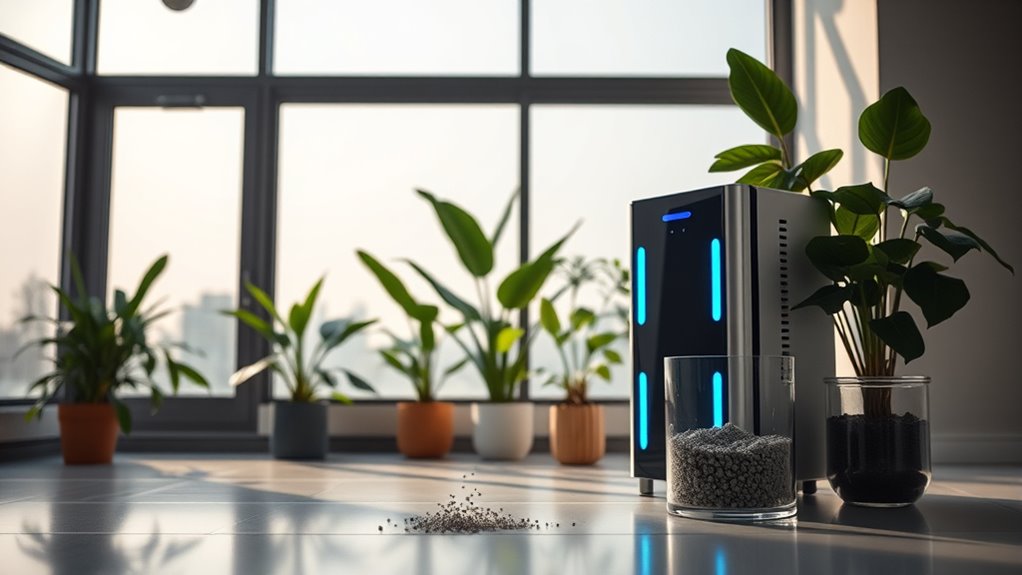
Are you prepared to protect yourself during a dust storm? When the skies turn dark and dust whips through the air, your first priority is to keep the indoor environment safe and clean. Dust storms can bring in hazardous particles that irritate your respiratory system and compromise your health. To effectively combat this, you need a solid dust-storm survival plan centered around instant indoor clean-air strategies and strong emergency preparedness measures. The key is to create a safe space inside your home where air quality remains high, even when the outside air is unbreathable.
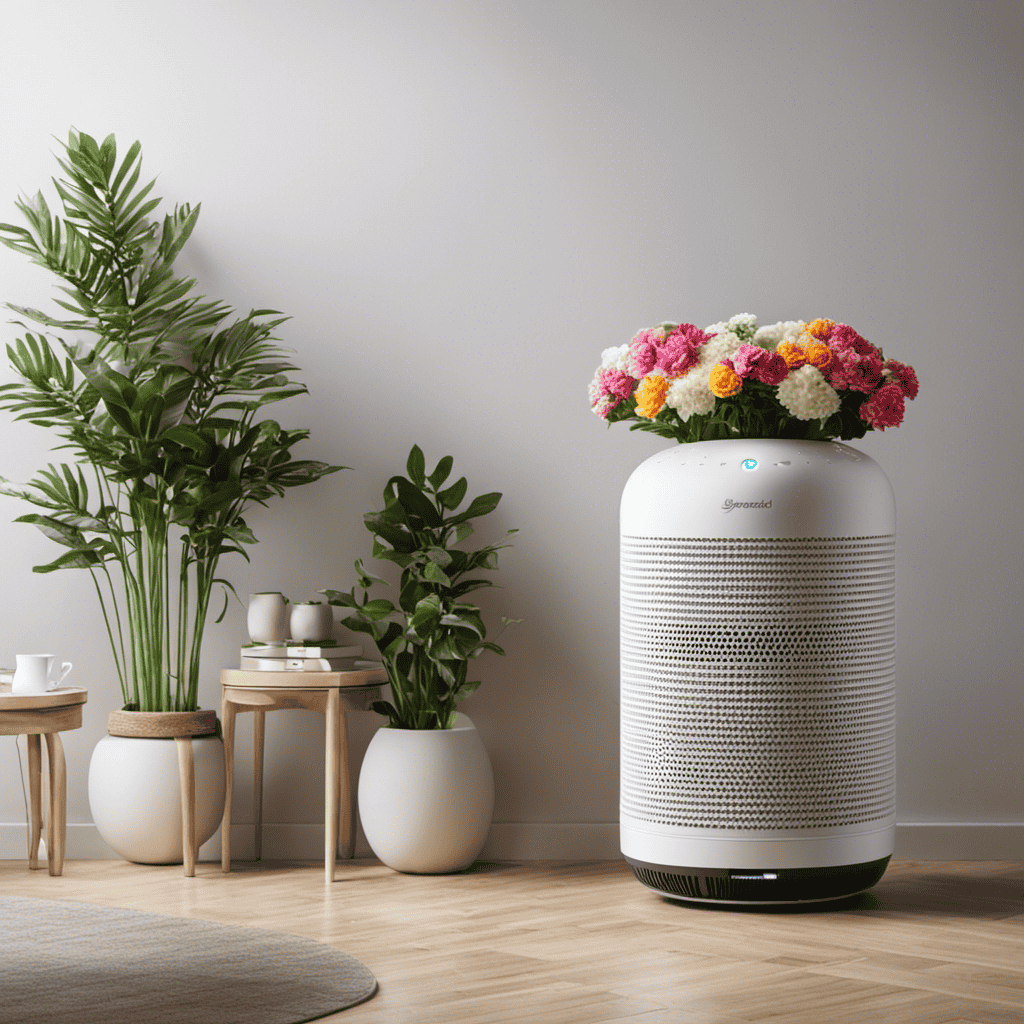
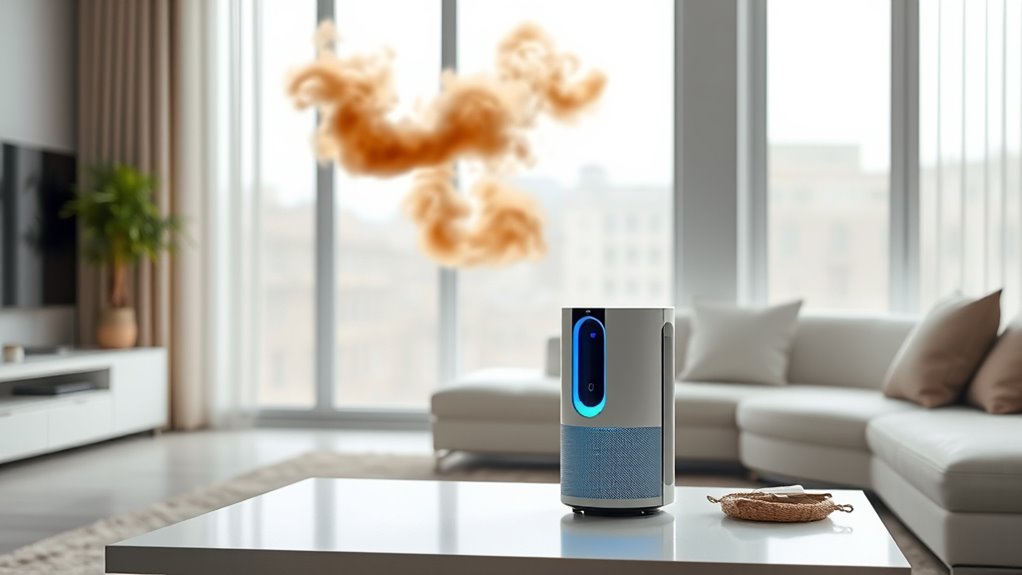
One of the most critical steps is to invest in reliable air purification systems. High-efficiency particulate air (HEPA) filters are your best allies during a dust storm. They are designed to trap tiny particles, including dust, pollen, and other airborne irritants, considerably improving indoor air quality. Make sure your air purifier is appropriately rated for the size of your space and keep it running continuously during a storm. If you don’t have an air purifier, sealing windows and doors becomes even more important to prevent dust infiltration. Using weather stripping or plastic sheeting can help block out dust and maintain a cleaner indoor environment.
Invest in HEPA filters and seal windows to maintain clean indoor air during dust storms.
Emergency preparedness is equally essential. Before a dust storm hits, gather essential supplies: masks to filter out dust, bottled water, and a supply of clean air in the form of portable air purifiers or masks with N95 filters. Know your local weather alerts and have a plan to stay indoors when a storm is forecasted. Keep your windows and vents closed tight, and avoid using exhaust fans that can pull in dust from outside. Prepare your home by sealing cracks and openings where dust might seep in, ensuring you maximize your indoor air quality during the event.
In addition to physical barriers and filtration, having a quick-response plan makes all the difference. Stay updated with weather reports, and have a designated safe room with minimal ventilation and an air purifier running. This room should be stocked with essentials like water, non-perishable food, and masks. If you or your loved ones have respiratory issues, consult your healthcare provider about additional precautions or medications you might need during a dust storm. Incorporating Glycolic Acid into your skincare routine can also help strengthen your skin’s barrier, making it more resilient against environmental irritants.
Ultimately, your emergency preparedness hinges on proactive measures—knowing how to instantly improve indoor air quality and protect your respiratory health when dust storms strike. By investing in air purification and maintaining a well-stocked, sealed safe space, you can considerably reduce health risks and stay safer until the storm passes. Preparation makes all the difference, turning chaos outside into a manageable situation inside your home.
Frequently Asked Questions
How Long Should I Stay Indoors During a Dust Storm?
During a dust storm, you should stay indoors for at least the duration guidelines suggested by local authorities, typically until the storm subsides and air quality improves. For safety precautions, keep windows and doors sealed, use air purifiers if available, and avoid outdoor activities. It’s best to remain inside until official advisories confirm that conditions are safe, minimizing your exposure to harmful dust particles and protecting your health.
What Household Items Can Improve Indoor Air Quality Quickly?
Your home’s air can clear faster than you think with simple household items. Use air purifying plants like pothos or snake plants to naturally filter pollutants. DIY air cleaners made from activated charcoal or baking soda can absorb dust and odors instantly. Keep windows closed and turn on fans or air purifiers to improve indoor air quality quickly. These small steps make a big difference during a dust storm.
Are There Specific Masks Recommended for Dust Storm Protection?
You should choose masks that meet respirator standards like N95 or P100, which filter out most dust particles effectively. Make certain to follow mask fitting guidance closely; a proper fit ensures maximum protection. Avoid loose-fitting masks, and check for secure seals around your face. These masks are recommended for dust storm protection because they provide reliable filtration, keeping you safer during heavy dust exposure.
How Often Should Air Filters Be Replaced During a Storm?
You might think air filters last forever, but proper air filter maintenance is vital during dust storms. To stay safe, replace filters every 1 to 2 months or more often if you notice reduced airflow or increased dust. During a storm, sticking to storm preparedness tips means checking filters regularly and changing them promptly to guarantee clean indoor air. This keeps your environment healthier and reduces dust buildup effectively.
Can Indoor Plants Help Filter Out Dust Particles Effectively?
Indoor plants can help with dust absorption, but their efficacy varies. While some plants effectively filter out dust particles, they shouldn’t be your only method for clean indoor air. You need to regularly clean and maintain your plants to maximize dust absorption. Keep in mind, plants improve air quality by reducing dust, but for best results, combine them with air purifiers and proper ventilation during dust storms.
Conclusion
Just like a fortress standing strong against an oncoming storm, your quick action keeps you safe from dust’s chaos. By sealing windows, turning on filters, and staying indoors, you create an invisible shield, much like a knight’s armor. Remember, every breath taken in a clean space is a victory, a peaceful harbor amid the dust’s tempest. Stay prepared, stay safe—your indoor sanctuary is your best defense against nature’s fierce, swirling fury.