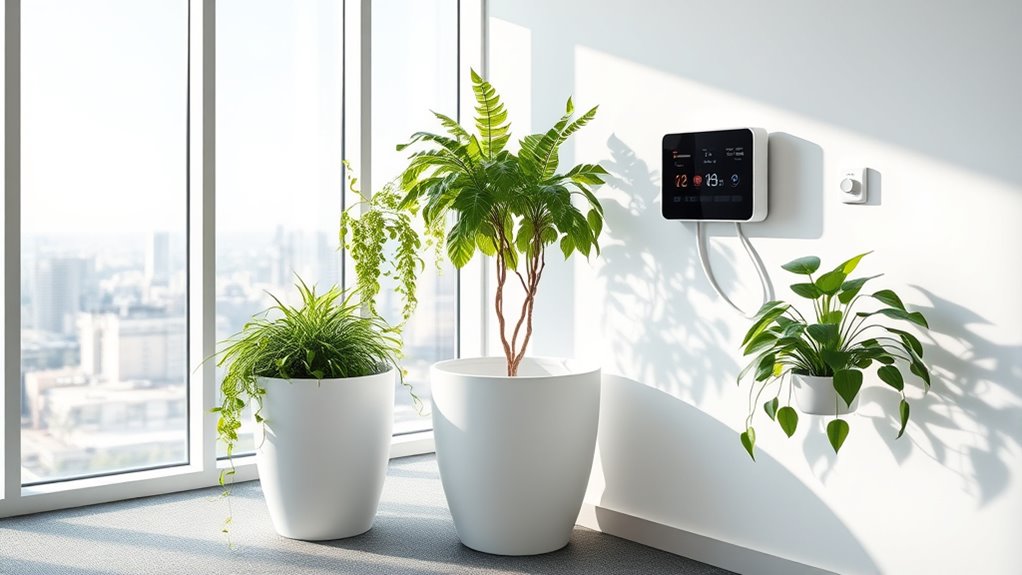

BREEAM’s health and wellbeing air quality criteria set clear standards that guarantee indoor environments have proper ventilation, pollutant controls, and real-time monitoring. You’re encouraged to maintain sufficient airflow rates, use sensors to track pollutants like CO₂ and VOCs, and design flexible systems that adapt to occupancy needs. These standards aim to create healthier, more comfortable spaces and support sustainability goals. To understand how these components work together, keep exploring the details below.

Get garden gear delivered free — and shop member deals
- Fast, free delivery on millions of items
- Access to Prime Big Deal Days deals on October 6–7
- Prime Video, Amazon Music and more included
Key Takeaways
- BREEAM standards specify minimum ventilation rates and air quality thresholds to ensure a healthy indoor environment.
- The criteria emphasize monitoring pollutant levels, including CO₂, VOCs, and particulate matter, for real-time air quality management.
- Proper placement and design of external air intakes and exhausts are required to prevent external contamination.
- Use of mechanical ventilation systems, such as HVAC units, must meet or exceed set standards for airflow and efficiency.
- Incorporating natural ventilation and flexible controls supports occupant health, comfort, and sustainable building certification.

Understanding BREEAM’s Health & Wellbeing Air Quality Criteria can seem complex, but grasping its key principles is essential for creating healthier indoor environments. At its core, this section emphasizes the importance of maintaining good indoor air quality, which directly impacts occupant health, comfort, and productivity. You need to pay close attention to how indoor air circulates and refreshes within a building, as poor air quality can lead to issues like fatigue, headaches, or even long-term health problems. To achieve this, the criteria set clear standards around ventilation and air quality management that you must meet or exceed.
Ventilation standards are central to ensuring a healthy indoor atmosphere. They specify the minimum rates at which fresh air should replace stale indoor air, preventing pollutant buildup and controlling humidity levels. As a building owner or designer, you’re expected to implement systems that deliver consistent, adequate airflow throughout the occupied spaces. This involves selecting appropriate mechanical ventilation systems—such as HVAC units with fresh air intakes and exhausts—that can reliably meet these standards. Simple or inadequate ventilation can compromise indoor air, causing contaminants like volatile organic compounds (VOCs), dust, and carbon dioxide to accumulate, which the criteria aim to mitigate.
Furthermore, BREEAM promotes the use of air quality sensors and monitoring systems. These tools help you track indoor air quality in real-time, ensuring that ventilation remains effective and compliant. When levels of pollutants or CO₂ rise beyond recommended thresholds, adjustments can be made promptly. This proactive approach not only maintains healthy indoor air but also optimizes energy use by avoiding unnecessary ventilation. It’s about balancing comfort with efficiency, ensuring that fresh air is supplied when needed without wasting energy.
In addition, the criteria highlight the importance of designing spaces that facilitate good air movement, such as incorporating natural ventilation where possible, especially in less mechanically reliant buildings. When natural ventilation isn’t feasible, mechanical systems must be designed with flexibility and resilience in mind. You should also consider the location of air intakes and exhausts to prevent contamination from external sources, like busy roads or industrial sites, which could compromise indoor air quality. Incorporating adequate ventilation practices is vital for overall occupant health and aligns with sustainable building principles.
Ultimately, understanding and implementing the ventilation standards within BREEAM’s framework helps you create indoor environments that support health and wellbeing. It’s about ensuring that indoor air isn’t just present but is clean, fresh, and well-managed. By doing so, you contribute to a building that promotes productivity, reduces health risks, and aligns with sustainable practices—key goals of the BREEAM certification process.
As an affiliate, we earn on qualifying purchases.
Frequently Asked Questions
How Does BREEAM Measure Indoor Air Quality?
BREEAM measures indoor air quality by evaluating levels of indoor pollutants like VOCs, CO2, and particulate matter. You need to confirm proper ventilation systems are in place, maintaining fresh air circulation and reducing pollutant concentrations. Regular monitoring is essential, and improvements are made if pollutant levels exceed the standards. By controlling indoor pollutants and optimizing ventilation, you can meet BREEAM’s criteria for healthy, breathable indoor environments.
What Are the Key Thresholds for Air Quality Compliance?
You need to meet specific thresholds for indoor pollution levels, typically keeping PM2.5 and VOC concentrations below set limits. Effective air filtration systems are essential to reduce indoor pollution and maintain good air quality. BREEAM requires continuous monitoring to ensure these thresholds are upheld over time. If you keep indoor pollution low through proper filtration, you’ll comply with the standards and promote healthier indoor environments.
How Can Buildings Improve Their BREEAM Air Quality Scores?
Imagine stepping into a fresh, vibrant space where crisp air flows freely. To boost your BREEAM air quality scores, you can add indoor plants that naturally filter pollutants and enhance oxygen levels. Incorporate advanced air purifier technology to remove airborne toxins and improve ventilation. Regularly maintain these systems, monitor indoor air quality, and reduce sources of pollution, creating a healthier environment that scores higher on BREEAM assessments.
Are There Specific Ventilation Standards Required?
Yes, you need to meet specific ventilation standards to improve your BREEAM air quality scores. These standards guarantee adequate fresh air supply and proper air circulation, which directly influence air quality metrics. You should assess and enhance your building’s ventilation systems, ensuring they comply with relevant regulations and best practices. Regular monitoring and maintenance also help maintain ideal air quality, ultimately boosting your BREEAM certification.
How Often Is Air Quality Monitored for Certification?
You should plan for regular air quality monitoring, typically involving sensors placed throughout the building. These sensors help track air quality levels continuously, supporting ventilation enhancement. While exact frequency varies, most certifications encourage ongoing assessments, often quarterly or semi-annually, to guarantee ideal indoor environments. By maintaining this routine, you not only meet standards but also foster a healthier, more comfortable space for everyone inside.
Conclusion
Think of BREEAM’s air quality criteria as a gardener tending to a delicate plant—you need the right nutrients and environment for it to thrive. When you meet these standards, you’re not just complying; you’re nurturing a space where people breathe easier and feel healthier. Just like a garden flourishes with proper care, buildings that prioritize air quality foster well-being. Embrace these guidelines, and you’ll cultivate environments that truly support health and resilience.
Fall yard work Picks
leaf blowers
As an affiliate, we earn on qualifying purchases.