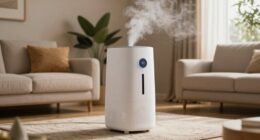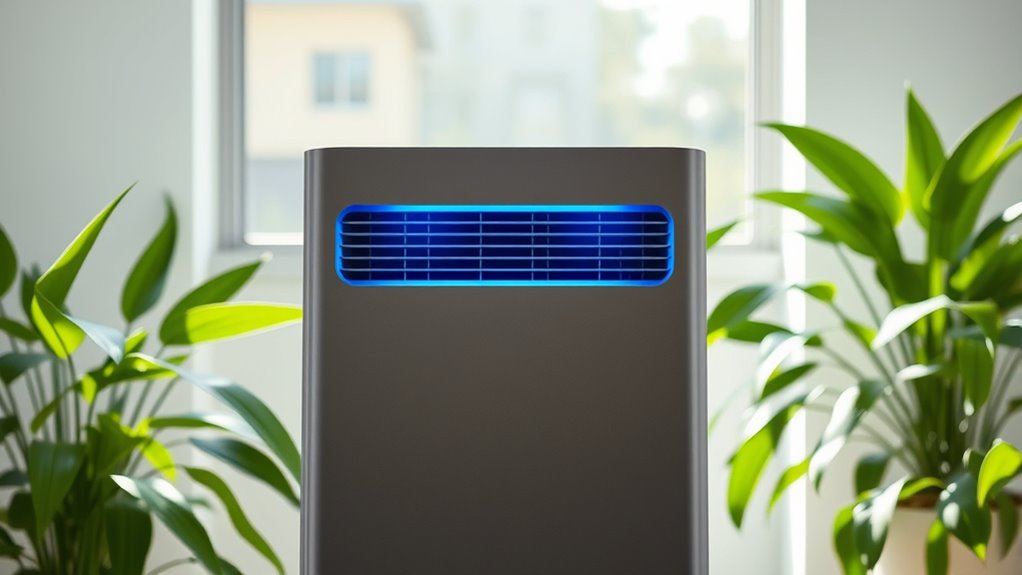
Negative ion purifiers can help improve indoor air quality by attaching to airborne particles like dust, pollen, and smoke, causing them to fall out of the air or stick to surfaces. However, their overall effectiveness varies based on the device quality and your environment. While they can reduce some pollutants, they may not remove gases or odors completely. To discover more about their benefits and limitations, keep exploring how these devices work and what to contemplate when choosing one.

Get garden gear delivered free — and shop member deals
- Fast, free delivery on millions of items
- Access to Prime Big Deal Days deals on October 6–7
- Prime Video, Amazon Music and more included
Key Takeaways
- Negative ion purifiers can reduce airborne particles like dust and pollen but may not eliminate gases or odors.
- They often produce small amounts of ozone, which can irritate lungs and pose health risks.
- Effectiveness varies based on device quality, environment, and proper usage.
- Data analysis shows they can improve air quality but are not comprehensive solutions.
- Combining ion purifiers with other methods, like HEPA filters and ventilation, yields better indoor air quality.
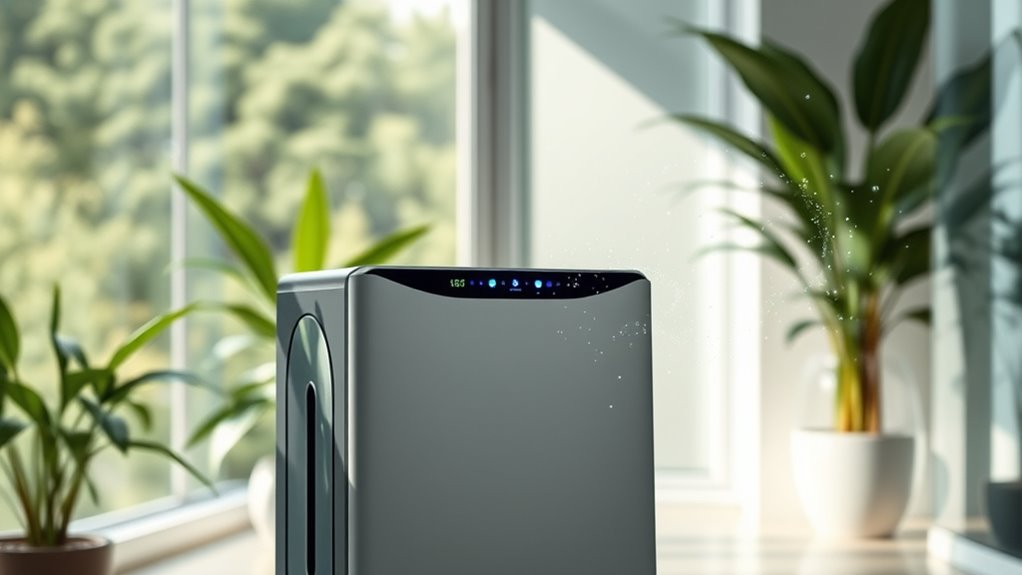
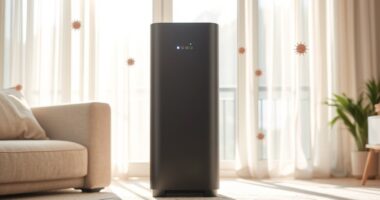
Negative ion purifiers have gained popularity for their claimed ability to improve indoor air quality. You might have seen these devices advertised as natural solutions that can make your living space healthier. They work by releasing negative ions into the air, which are said to attach to airborne particles like dust, pollen, smoke, and even bacteria. When these particles become charged, they tend to clump together and fall out of the air or stick to surfaces, effectively reducing what you breathe in. This process is often promoted as a form of air purification that can lead to tangible health benefits. Many users turn to negative ion purifiers because they believe cleaner air can help alleviate allergy symptoms, reduce respiratory issues, and promote overall well-being.
Negative ion purifiers claim to improve air quality by charging particles to reduce allergens and pollutants.
However, understanding their actual effectiveness requires looking at how well they perform in real-world settings. These devices are designed to clear the air of pollutants by charging particles so they are easier to remove. In theory, this should improve indoor air quality and support your health. But in practice, the extent of their effectiveness varies. Some studies suggest that negative ion purifiers do reduce certain airborne particles, which could translate into fewer allergy triggers and respiratory irritants. That said, they may not eliminate all pollutants, especially gases like volatile organic compounds (VOCs) or odors. So, while they can contribute to better air purification, they shouldn’t be solely relied upon for complete air quality control.
It’s also important to contemplate safety and side effects. Negative ion purifiers often produce small amounts of ozone as a byproduct, which can be harmful when inhaled in significant quantities. Ozone irritates your lungs and can worsen asthma symptoms or other respiratory conditions. This potential health risk raises questions about their overall benefits versus drawbacks. If you’re considering a negative ion purifier, you should look for models that emit minimal ozone or include safety features that limit ozone production.
Additionally, understanding the role of data-driven strategies in evaluating air purifier effectiveness can help you make an informed decision. Ultimately, the health benefits of negative ion purifiers depend on how you use them and your specific needs. They can complement other air purification methods, like HEPA filters, especially if you’re sensitive to airborne allergens. But don’t expect them to be a magic bullet. For truly clean indoor air, combining multiple strategies—regular cleaning, good ventilation, and perhaps a reliable air purifier—will give you the best results. So, while negative ion purifiers can help, they should be part of a broader approach to creating a healthier indoor environment.
negative ion air purifier for allergies
As an affiliate, we earn on qualifying purchases.
As an affiliate, we earn on qualifying purchases.
Frequently Asked Questions
Do Negative Ion Purifiers Eliminate All Airborne Bacteria?
Negative ion purifiers do not eliminate all airborne bacteria, but they can reduce their presence. They work by attaching negative ions to airborne particles, causing them to settle out of the air or stick to surfaces. While this improves air quality, purifier effectiveness varies depending on the device and environment. To maximize bacteria removal, consider combining ion purifiers with HEPA filters or other air cleaning methods for thorough protection.
Are Negative Ion Purifiers Safe for Pets and Children?
Negative ion purifiers are generally safe for pets and children, but you should still exercise caution. They don’t emit harmful chemicals, making them a better choice for pet safety compared to some air purifiers with chemical emissions. However, verify proper maintenance and ventilation, as some units can produce ozone, which might cause respiratory issues. Always check product details and consult with your vet or pediatrician if unsure.
How Long Does It Take to Notice Air Quality Improvements?
Think of your air as a garden, and negative ion purifiers as the rain that revitalizes it. You’ll likely notice air quality improvements within a few hours to a couple of days, depending on the purifier’s power and your environment. The time to notice depends on factors like pollutant levels and room size. For quick results, keep the purifier running continuously, and you’ll see a gust of fresh air soon enough.
Can Negative Ion Purifiers Reduce Allergens Effectively?
Negative ion purifiers can effectively reduce airborne particles and allergen levels in your space. They work by attaching negative ions to allergens like pollen, dust, and pet dander, causing them to clump together and fall out of the air. While they improve allergen elimination, their effectiveness varies based on room size and purifier quality. Regular maintenance and proper placement enhance their ability to provide cleaner, healthier air for you.
Do Negative Ion Purifiers Produce Any Harmful Ozone Emissions?
Ever wondered if negative ion purifiers produce harmful ozone emissions? Yes, some models can generate ozone as a byproduct, raising safety concerns. Ozone emissions, even in small amounts, can irritate your lungs and worsen respiratory issues. To stay safe, check the device’s specifications and opt for those certified as ozone-free or low-emission. Don’t overlook safety concerns when choosing air purifiers—your health depends on it.
Conclusion
While negative ion purifiers can improve air quality, they aren’t a miracle cure. You might breathe easier, but don’t expect them to eliminate every allergen or pollutant. It’s like holding a small umbrella in a storm—you provide some relief, but the rain still falls. If you want cleaner air, consider combining purifiers with other measures. Remember, sometimes the best protection comes from a balanced approach, not just one simple device.
Halloween Picks
halloween
As an affiliate, we earn on qualifying purchases.