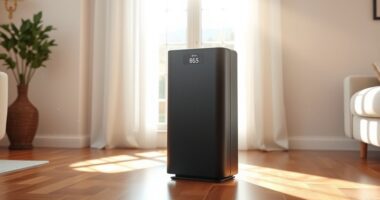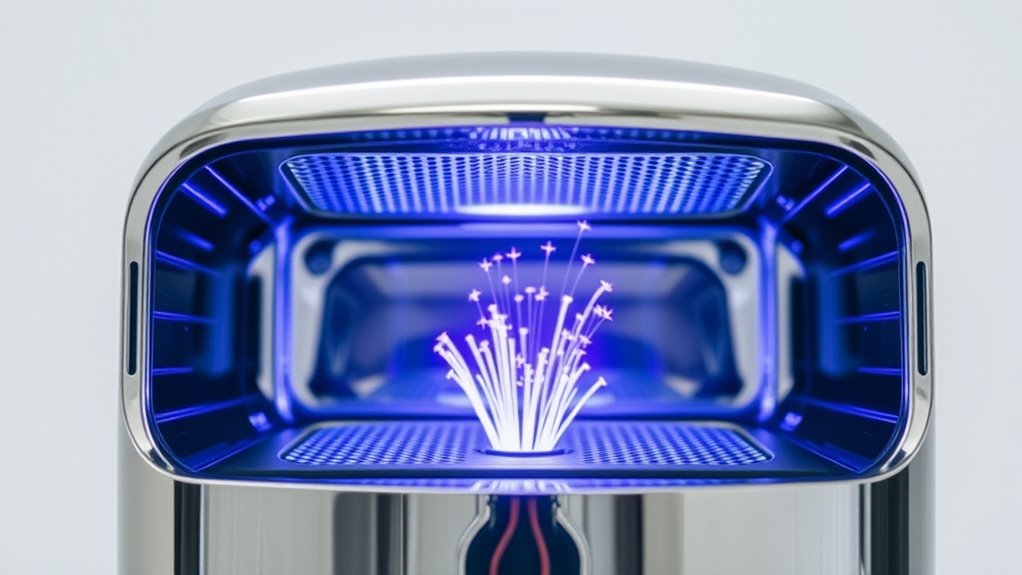
UV purifiers are designed to safely contain UV-C radiation within their enclosed chambers, so you’re not exposed to harmful rays during normal use. They use safety features like shielding, automatic shut-offs, and secure coverings to prevent UV leakage. However, if a device is damaged or mishandled, it might release UV radiation, which can be harmful to your skin and eyes. To stay safe, it helps to understand how these devices work and follow proper usage guidelines.

Get garden gear delivered free — and shop member deals
- Fast, free delivery on millions of items
- Access to Prime Big Deal Days deals on October 6–7
- Prime Video, Amazon Music and more included
Key Takeaways
- UV-C light in purifiers is contained within enclosed chambers, minimizing exposure risks.
- Modern UV purifiers include safety features like shielding, automatic shut-offs, and timers for protection.
- Proper maintenance ensures UV radiation does not leak, preventing harmful exposure.
- When used correctly, UV purifiers do not emit harmful radiation outside their designed environment.
- Direct exposure to UV-C from purifiers can be harmful; safety precautions are essential during operation.
While UV purifiers are effective at eliminating germs and bacteria from your environment, they also emit ultraviolet radiation that can be harmful if not handled properly. Understanding UV safety is vital to prevent potential health risks. These devices use specific radiation types, primarily UV-C light, to disinfect surfaces and air. UV-C radiation, with wavelengths between 200 and 280 nanometers, effectively destroys the DNA and RNA of microorganisms, rendering them harmless. However, this same radiation can pose risks to your skin and eyes if you’re exposed directly or for prolonged periods.
You might wonder whether UV purifiers produce harmful radiation. The answer depends on how the device is designed and used. Most modern UV purifiers incorporate safety features like shielding, automatic shut-offs, and timers to minimize your exposure. When used correctly, these devices produce UV radiation only within enclosed chambers or in areas where direct contact is impossible. This containment prevents UV rays from reaching your skin or eyes, considerably reducing health concerns. Still, it’s vital to follow manufacturer instructions carefully to avoid accidental exposure.
Modern UV purifiers feature safety measures that contain UV radiation, ensuring protection when used as directed.
Different radiation types pose varying levels of risk. UV-A and UV-B rays, emitted by the sun, penetrate deeper into your skin and can cause burns or increase the risk of skin cancer. UV-C, on the other hand, is mostly absorbed by the ozone layer when emitted naturally by the sun, so you’re less exposed to it outdoors. But in the case of UV purifiers, the radiation is intentionally generated and concentrated within a device. If the device is broken or improperly maintained, there’s a small chance that UV-C radiation could escape, which is why choosing reputable brands with safety certifications matters. Additionally, understanding UV safety measures is essential to prevent health hazards.
Proper handling of UV purifiers guarantees you stay safe from harmful radiation. Never look directly into the UV light or expose your skin to it when the device is operating. Always verify the purifier is in good condition, with no cracks or damage that could allow UV rays to escape. Keep children and pets away during operation, and never attempt to modify or bypass safety features. Regular maintenance and adherence to the manufacturer’s guidelines will help you harness the benefits of UV purification without risking radiation exposure.
As an affiliate, we earn on qualifying purchases.
Frequently Asked Questions
Are UV Purifiers Safe Around Children and Pets?
UV purifiers are generally safe around children and pets when you follow UV safety guidelines. You should place the purifier in a location where direct UV exposure is minimized, such as out of reach or behind protective covers. Proper purifier placement guarantees UV light doesn’t escape into living areas, reducing risks. Always check the manufacturer’s instructions to make certain of safe use, and consider models with built-in safety features for added protection.
Can UV Light Cause Skin or Eye Damage?
Think of UV light as a double-edged sword—powerful yet potentially harmful. UV safety is vital because exposure can cause skin or eye damage if you’re directly exposed. While UV purifiers are designed to contain UV radiation within the device, accidental radiation exposure can occur if you bypass safety measures. Always follow manufacturer instructions, avoid direct eye or skin contact, and guarantee proper shielding to prevent harm.
How Long Does UV Purifier Radiation Last?
UV purifier radiation typically lasts only during its active use. The UV light lifespan is generally around 9,000 to 10,000 hours, after which the radiation decay reduces its effectiveness. Once turned off, the UV radiation quickly diminishes, posing no ongoing risk. You should replace the UV bulb as recommended to guarantee continued safety and efficiency, but the emitted radiation doesn’t persist once the device is off.
Do All UV Purifiers Emit the Same Level of Radiation?
A stitch in time saves nine—so you should know that not all UV purifiers emit the same radiation levels. Some models are designed with safety in mind, minimizing harmful radiation exposure, while others may emit higher levels if poorly made. To guarantee purifier safety, always check the specifications and choose reputable brands. Your health depends on understanding that radiation levels vary, and responsible choices keep you safe.
Are There Health Risks From Long-Term Exposure to UV Purifier Emissions?
Long-term exposure to UV purifier emissions generally poses minimal health risks if the device is properly maintained and UV safety guidelines are observed. You shouldn’t worry about radiation exposure if your UV purifier is certified and used correctly, as most emit low levels of UV light that don’t penetrate the skin or eyes. Always ensure your purifier is functioning properly to avoid unnecessary UV safety concerns.
Conclusion
So, now you’re left wondering—are UV purifiers truly safe or hiding a hidden risk? While they’re effective at killing germs, the possibility of harmful radiation lingering isn’t entirely out of the question. It’s a question worth pondering as you consider your health and safety. Will you trust the technology, or will you dig deeper to uncover the truth? The choice is yours, but don’t ignore the potential danger lurking behind those glowing lights.
Fall yard work Picks
leaf blowers
As an affiliate, we earn on qualifying purchases.