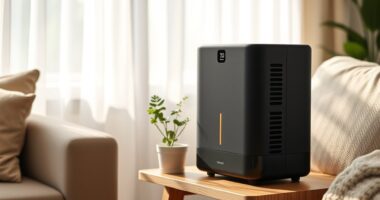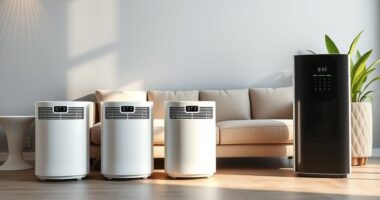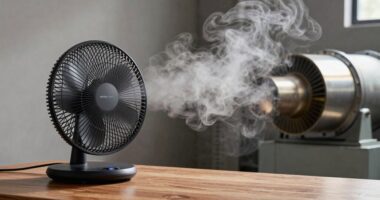

DIY air purifiers can be quite effective if you choose high-quality HEPA (H13 or H14) and carbon filters and assemble them properly. Proper sealing, secure attachment, and correct airflow are essential for maximum performance. While they may not match all features of commercial units, DIY setups can greatly improve indoor air quality, especially in small to medium spaces. To discover the key components and tips for building an efficient purifier, continue exploring this topic further.

Get garden gear delivered free — and shop member deals
- Fast, free delivery on millions of items
- Access to Prime Big Deal Days deals on October 6–7
- Prime Video, Amazon Music and more included
Key Takeaways
- High-quality DIY purifiers with proper filters (HEPA H13/H14 and carbon) can significantly improve air quality in small to medium spaces.
- Proper assembly, secure filter attachment, and sealed design are crucial for DIY units to perform effectively.
- Commercial units often feature advanced controls and larger coverage, but DIY setups can match efficiency with correct components.
- Regular filter maintenance and replacement are essential to sustain the effectiveness of both DIY and commercial purifiers.
- DIY air purifiers are cost-effective alternatives that can be nearly as effective as commercial units when built properly.
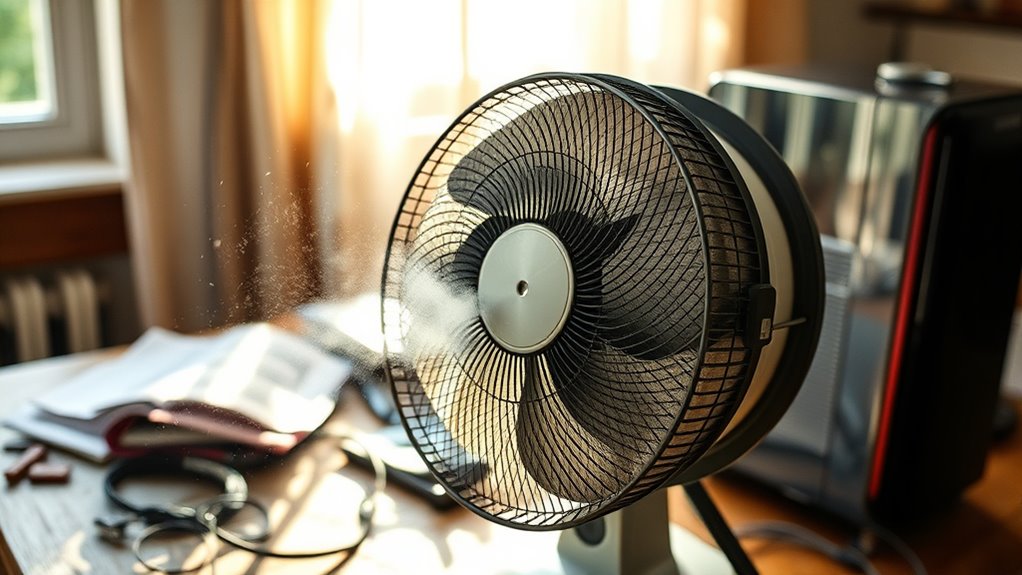
DIY air purifiers have gained popularity as cost-effective alternatives to commercial units, especially during times when air quality concerns are high. You might consider building your own to save money while still improving indoor air quality. The core components that make DIY air purifiers effective include HEPA filters and carbon filters. HEPA filters are renowned for their ability to trap tiny airborne particles—like dust, pollen, pet dander, and smoke—down to 0.3 microns in size. When incorporated into your DIY setup, they can considerably reduce allergens and airborne pollutants, making your space healthier. Carbon filters, on the other hand, excel at absorbing odors, volatile organic compounds (VOCs), and chemical fumes. If you’re trying to eliminate cooking smells, pet odors, or chemical fumes from cleaning products, adding a carbon filter to your DIY purifier can make a noticeable difference.
Building your own air purifier with HEPA and carbon filters is straightforward, but it requires careful selection of the right components. You’ll want to verify your HEPA filter is of high quality, ideally rated at H13 or H14 for maximum efficiency. These filters can effectively capture small particles that often bypass basic filters. Pairing your HEPA filter with a carbon filter in a layered setup enhances your purifier’s overall performance—HEPA tackles particulates, while carbon absorbs gases and odors. When choosing filters, confirm their size and compatibility with your DIY design to avoid leaks or gaps that reduce efficiency. Additionally, understanding the importance of airflow is crucial for optimizing your DIY purifier’s effectiveness.
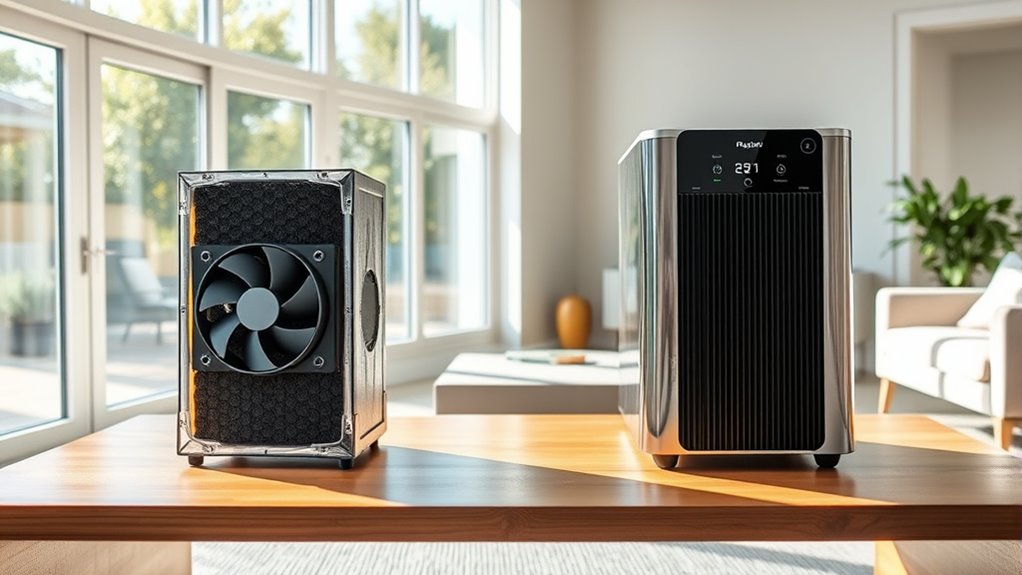
While commercial air purifiers often boast advanced features like smart controls, adjustable fan speeds, and larger coverage areas, DIY units can still be surprisingly effective if built properly. The key is to use high-quality filters and ensure good airflow through your device. Many DIY enthusiasts use a box fan or a similar fan as the blower, attaching filters securely to create a sealed environment that directs air through the filtering media. Regular maintenance, including replacing filters when they become dirty or clogged, is crucial to maintain performance. Keep in mind that DIY purifiers might not have the same coverage or advanced technology as commercial units, but with proper assembly, they can substantially improve air quality in small to medium-sized spaces.
As an affiliate, we earn on qualifying purchases.
Frequently Asked Questions
Can DIY Purifiers Remove All Types of Airborne Viruses?
DIY purifiers can’t reliably remove all airborne viruses because their viral filtration depends on the materials used and design. While they can reduce some airborne pathogens, they aren’t as effective at filtering every type of virus compared to commercial units with specialized HEPA filters. To better protect yourself, opt for purifiers with proven viral filtration capabilities, especially in environments with high risk of airborne pathogen transmission.
How Often Do DIY Air Filters Need Replacement?
They say “a stitch in time saves nine,” and the same applies to your DIY air filter. Typically, you should replace your filter every 2 to 3 months, depending on usage and air quality. Keep an eye on the filter’s appearance and airflow; if airflow decreases or it looks dirty, it’s time for a replacement. Proper maintenance guarantees maximum filter lifespan and keeps your air clean and safe.
Are DIY Air Purifiers Safe for Children and Pets?
DIY air purifiers can be safe for children and pets if you prioritize DIY safety and child protection. Use non-toxic, pet-safe filters and avoid hazardous materials like certain adhesives or glues. make certain your device is well-constructed, stable, and free of electrical hazards. Always supervise its operation, especially around kids and animals. Proper maintenance and using safe, approved components help minimize risks, making your DIY air purifier a safer option for your family.
Do DIY Units Consume More Energy Than Commercial Models?
DIY air purifiers generally consume more energy than commercial models because they often use less efficient motors and filters. While they might be cheaper upfront, their lower energy efficiency results in higher power consumption over time. Commercial units are designed with optimized power use, making them more energy-efficient. So, if you’re concerned about power consumption, investing in a quality commercial air purifier could save you money on energy bills in the long run.
What Maintenance Is Required for DIY Air Purifiers?
Did you know that regular maintenance can extend your DIY air purifier’s lifespan by up to 30%? You’ll need to replace the filter every 3 to 6 months, depending on usage, and set a consistent cleaning schedule to remove dust and debris from the unit’s exterior. Checking the filter regularly guarantees ideal performance and air quality. Keep track of your maintenance routine to keep your DIY purifier running efficiently.
Conclusion
While DIY air purifiers can be a budget-friendly option, they often aren’t as reliable as commercial units. Think of them like a homemade cake—delicious but not always perfectly consistent. If you’re dealing with serious pollutants or allergies, investing in a quality commercial purifier is worth it. However, for light use or quick fixes, a DIY setup might just do the trick. Weigh your needs carefully to find the best air purification for your home.
Fall yard work Picks
leaf blowers
As an affiliate, we earn on qualifying purchases.