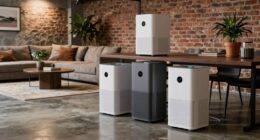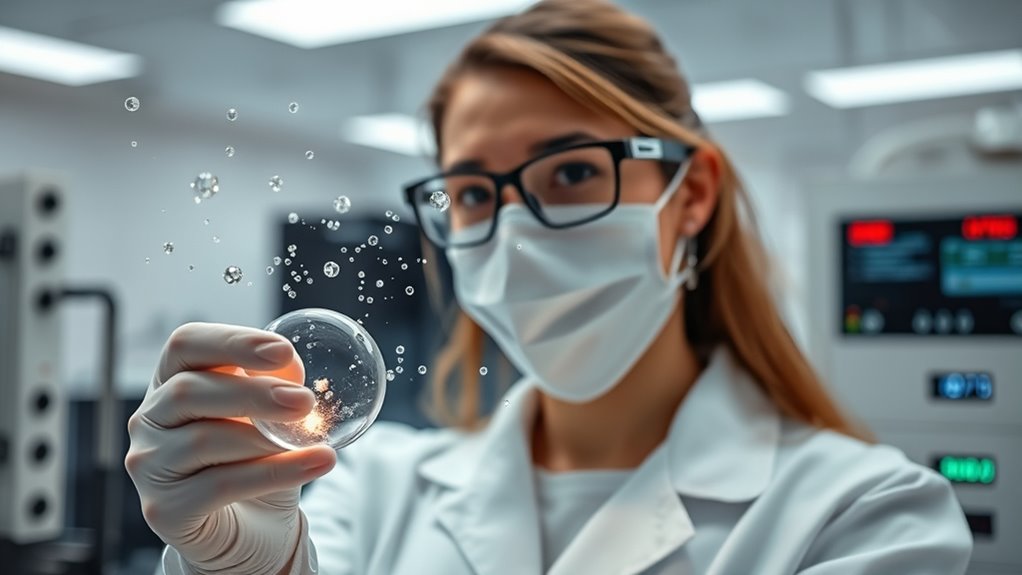

Bioaerosols are tiny biological particles like bacteria, viruses, fungi, or spores suspended in the air, and they can affect your indoor air quality and health. To protect yourself, monitoring bioaerosol levels using advanced sampling and detection methods is essential, especially in high-risk settings like healthcare or agriculture. Elevated bioaerosols may cause allergies, respiratory infections, or worsen asthma. If you continue exploring, you’ll discover effective strategies to measure and control these airborne hazards for healthier environments.

Get garden gear delivered free — and shop member deals
- Fast, free delivery on millions of items
- Access to Prime Big Deal Days deals on October 6–7
- Prime Video, Amazon Music and more included
Key Takeaways
- Accurate measurement of bioaerosols involves air sampling, molecular analysis, and emerging detection techniques to assess indoor air quality.
- Elevated bioaerosol levels in workplaces increase the risk of respiratory infections and allergic reactions.
- Bioaerosol exposure can trigger asthma, exacerbate respiratory conditions, and lead to chronic health issues.
- Effective ventilation, filtration, and hygiene practices are essential for controlling bioaerosol concentrations indoors.
- Monitoring bioaerosols helps identify hazards and implement strategies to safeguard health in occupational and indoor environments.

Have you ever wondered what invisible particles are floating around us in the air? These tiny entities, known as bioaerosols, are airborne biological particles such as bacteria, viruses, fungi, pollen, and other microbes. They’re present everywhere, from your home to crowded workplaces, and they can considerably impact indoor air quality. When bioaerosols accumulate indoors, they can degrade the air you breathe, leading to various health issues. This makes understanding their presence and behavior essential, especially in environments where people spend a lot of time. Indoor air quality isn’t just about dust or chemical pollutants; bioaerosols play a critical role in determining how healthy or risky a space can be.
In workplaces, occupational exposure to bioaerosols is a concern that shouldn’t be overlooked. Workers in healthcare, agriculture, or manufacturing often encounter higher concentrations of these particles, which can increase the risk of respiratory infections, allergic reactions, or other health problems. For example, healthcare professionals exposed to airborne pathogens may face a higher risk of infection if proper controls aren’t in place. Similarly, workers in agricultural settings might inhale spores or bacteria from soil and plants, which can lead to occupational illnesses. Monitoring and measuring bioaerosols in these environments help identify potential hazards and prevent health issues before they occur. Precise measurement techniques, like air sampling and molecular analysis, are essential tools to assess levels of bioaerosols and evaluate occupational exposure risks. Additionally, emerging measurement techniques are improving our ability to detect and quantify bioaerosols more accurately.
Understanding the health implications of bioaerosols is key for both individuals and organizations. When inhaled in notable amounts, these particles can cause a range of health problems—from mild allergic reactions to severe respiratory illnesses. Certain bioaerosols are known to trigger asthma or exacerbate existing respiratory conditions. In some cases, prolonged exposure can even lead to chronic health issues or increase susceptibility to infections. This makes it imperative to control indoor air quality and minimize occupational exposure by implementing effective ventilation, filtration, and hygiene practices. Regular assessment of bioaerosol levels helps guarantee indoor environments remain safe, especially in high-risk settings. By staying informed and proactive, you can reduce health risks associated with bioaerosol exposure and create healthier indoor spaces for everyone.
As an affiliate, we earn on qualifying purchases.
Frequently Asked Questions
How Do Bioaerosols Affect Indoor Air Quality?
Bioaerosols impact your indoor air quality by introducing microbial contamination that can cause health issues. When they become airborne, you breathe in bacteria, fungi, and viruses, which may lead to allergies, respiratory infections, or other illnesses. Poor ventilation or contaminated surfaces increase bioaerosol levels, worsening air quality. To protect yourself, guarantee proper ventilation and regular cleaning, reducing microbial contamination and maintaining healthier indoor air.
What Are the Latest Methods for Detecting Bioaerosols?
You can detect bioaerosols using advanced detection methods like molecular techniques, which identify specific microbial DNA or RNA. These methods include PCR (Polymerase Chain Reaction) and qPCR, offering high sensitivity and rapid results. Additionally, next-generation sequencing helps you analyze complex microbial communities. These cutting-edge techniques provide more accurate, real-time insights into bioaerosol presence, improving your ability to assess indoor air quality and health risks effectively.
Which Populations Are Most Vulnerable to Bioaerosol Exposure?
Like fragile leaves caught in a breeze, vulnerable populations are most at risk from bioaerosol exposure. Elderly populations and immunocompromised individuals face greater health threats, as their defenses weaken like a fading shield. You should be especially cautious around these groups, recognizing that their health can quickly decline when exposed. Protecting them is essential, like sheltering delicate blossoms from harsh winds.
How Do Environmental Factors Influence Bioaerosol Levels?
Environmental factors like air quality and climate change considerably influence bioaerosol levels. Poor air quality, with increased pollutants, can boost bioaerosol concentration, making environments riskier. Climate change, through higher temperatures and humidity, can promote microbial growth and dispersal. You should monitor these factors regularly, as they directly affect bioaerosol presence, impacting health and safety in indoor and outdoor spaces. Staying aware helps you reduce exposure risks effectively.
Are There Effective Strategies to Reduce Bioaerosol Health Risks?
You can effectively reduce bioaerosol health risks by using air filtration systems like HEPA filters, which trap airborne particles. Always wear appropriate personal protective equipment, such as masks and gloves, especially in high-risk settings. Regularly cleaning and disinfecting surfaces and maintaining good ventilation also help lower bioaerosol levels, creating a safer environment for you and others. Combining these strategies offers the best protection against bioaerosol-related health issues.
Conclusion
You now understand how bioaerosols impact your health, how their measurement helps monitor risks, and how controlling exposure protects you. Recognize the importance of accurate detection, the need for effective mitigation, and the value of ongoing research. By staying informed, practicing safety measures, and supporting scientific advances, you can reduce health risks and promote a healthier environment. Embrace awareness, take action, and prioritize your well-being in the face of bioaerosols.
Fall Picks
fall essentials
As an affiliate, we earn on qualifying purchases.