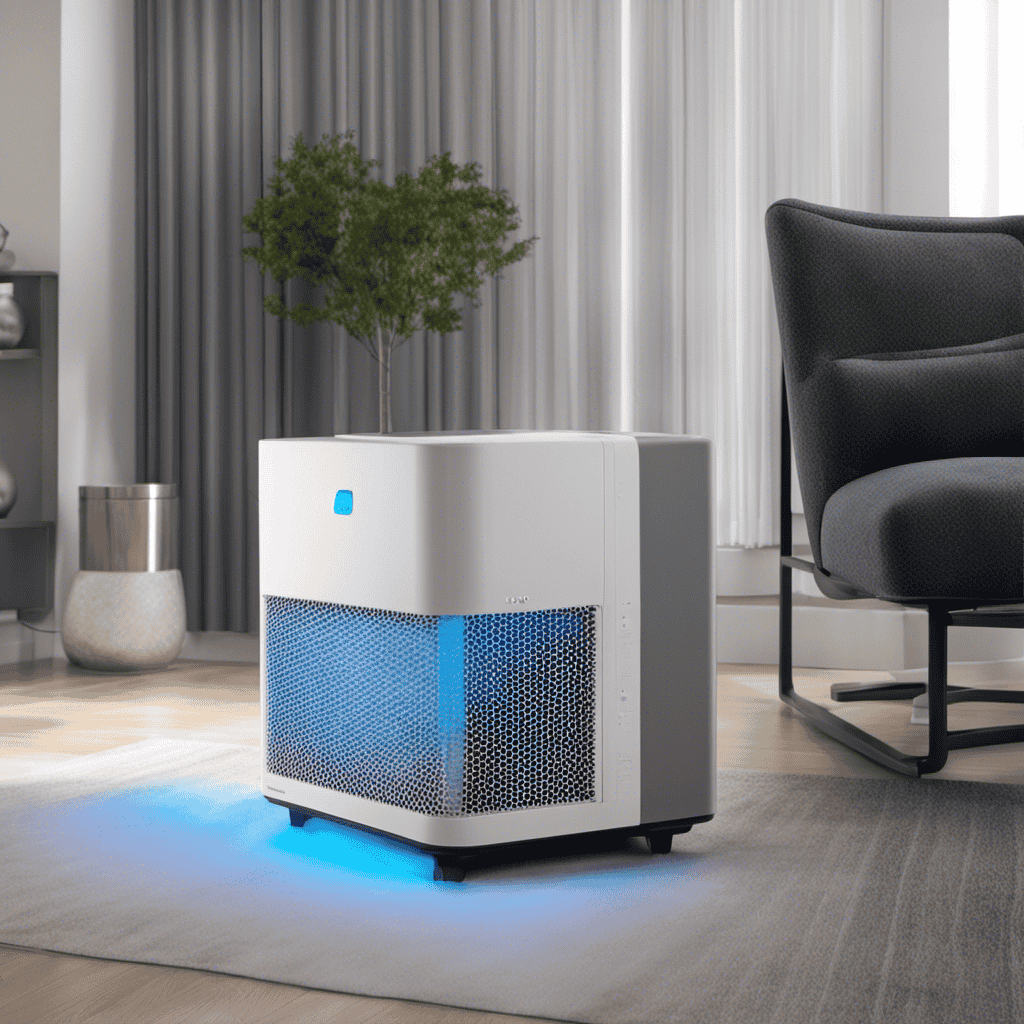
PECO and PCO purifiers use advanced oxidation technologies to actively destroy pollutants, bacteria, viruses, and odors in your indoor air. They break down contaminants at a molecular level, converting harmful substances into harmless ones like water and carbon dioxide. Unlike traditional filters, these purifiers provide continuous, ongoing cleaning, making your air healthier and safer. If you want to understand how these innovative systems can improve your environment, keep exploring further details.
Key Takeaways
- PECO and PCO purifiers use advanced oxidation to break down pollutants at a molecular level, destroying bacteria, viruses, and chemical vapors.
- They generate reactive oxygen species like hydroxyl radicals to neutralize airborne contaminants continuously.
- Unlike traditional filters, they actively destroy pollutants, offering more sustainable and cost-effective air purification.
- Effectiveness depends on the technology used; advanced oxidation systems provide higher efficiency with minimal ozone production.
- These purifiers improve indoor air quality by reducing odors, allergens, and microbial threats in a safe, ongoing process.
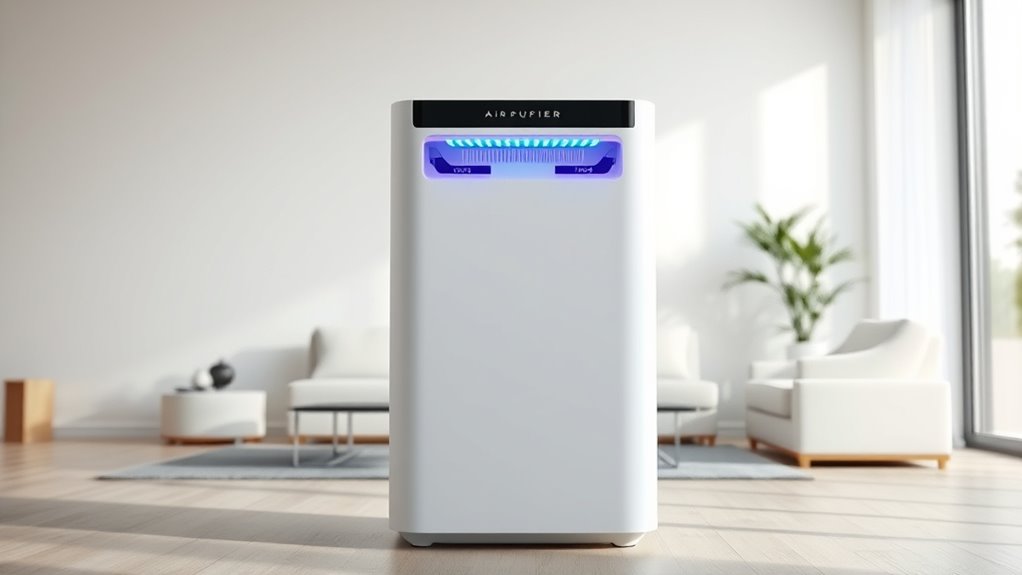
PECO and PCO purifiers are popular options for improving indoor air quality by effectively reducing bacteria, viruses, and airborne pollutants. These advanced air purification systems utilize oxidation technologies to target contaminants at a molecular level, making them highly effective for maintaining a healthier environment inside your home or office. Unlike traditional filters that simply trap particles, PCO (Photocatalytic Oxidation) and PECO (Photoelectrochemical Oxidation) purifiers actively destroy pollutants, including volatile organic compounds and microorganisms, through a process that breaks down their chemical structure.
PECO and PCO purifiers actively destroy airborne pollutants at a molecular level for healthier indoor air.
When you choose a device that employs oxidation technologies, you’re opting for a method that doesn’t just capture airborne particles but neutralizes them completely. The core mechanism involves the generation of reactive oxygen species—such as hydroxyl radicals—that react with pollutants and microorganisms, rendering them harmless or causing their destruction. This process ensures that bacteria, viruses, mold spores, and other harmful agents are not just trapped temporarily but eliminated, reducing the risk of airborne disease transmission and allergic reactions. Because of this, PECO and PCO purifiers are particularly beneficial in environments where air quality is a concern, such as households with children, elderly residents, or immunocompromised individuals.
The advantage of oxidation-based air purification is that it provides continuous, ongoing cleaning without the need for frequent filter replacements. As the oxidation process occurs on a molecular level, pollutants are broken down into benign substances like carbon dioxide and water, making these systems more sustainable and cost-effective over time. Additionally, because oxidation technologies can neutralize odors and chemical vapors, they improve indoor air freshness and overall comfort. You’ll notice a significant difference in air clarity, especially in spaces with lingering smells from cooking, pets, or tobacco smoke.
However, it’s essential to understand that not all oxidation technologies are created equal. PECO purifiers, for example, have been specifically engineered to target a broader range of pollutants with higher efficiency and lower ozone production, which is a common concern with some air purification methods. When evaluating air purification options, consider devices that use safe, effective oxidation technologies to ensure you’re getting the maximum benefit without introducing new contaminants. By choosing a purifier that employs these advanced oxidation methods, you’re investing in a cleaner, healthier living or working environment with improved air quality that actively fights pollutants rather than merely capturing them. Moreover, research shows that air purifier effectiveness can significantly vary depending on the technology used, highlighting the importance of selecting systems with proven advanced oxidation capabilities.
As an affiliate, we earn on qualifying purchases.
Frequently Asked Questions
How Do PECO and PCO Purifiers Compare in Energy Efficiency?
You’ll find that PECO and PCO purifiers generally have comparable energy consumption, but their purification efficiency varies. PCO purifiers tend to use slightly more energy due to their complex oxidation process, yet they often deliver better purification efficiency for certain pollutants. Your choice depends on balancing energy use and purification needs—if you prioritize lower energy consumption, PECO might suit you better, but for thorough purification, PCO could be more effective.
Are PECO and PCO Purifiers Safe for Pets and Children?
Yes, PECO and PCO purifiers are safe for pets and children when used correctly. They offer air quality benefits by reducing harmful pollutants and microorganisms, creating a healthier indoor environment. Additionally, these advanced oxidation technologies have minimal environmental impact since they don’t produce harmful ozone or byproducts. However, always follow manufacturer instructions and guarantee proper ventilation to maximize safety and air quality benefits for your family.
What Maintenance Do PECO and PCO Purifiers Require?
You should regularly replace filters as recommended by the manufacturer to keep your Peco or PCO purifier working effectively. Additionally, perform system cleaning periodically to remove dust and buildup, ensuring peak performance. Check the user manual for specific instructions on filter replacement intervals and cleaning procedures. Keeping up with this maintenance helps maintain air quality, prolongs the device’s lifespan, and keeps your environment safe for pets and children.
Can These Purifiers Remove All Types of Airborne Viruses?
Think of these purifiers as your modern-day shield against airborne pathogens; they considerably reduce many viruses, but can’t guarantee complete virus elimination. While they excel at removing common airborne viruses, some exceptionally small or resistant strains might slip through. So, you should complement their use with other safety measures. Keep in mind, no purifier can eliminate all viruses, but they definitely improve your indoor air quality and help protect your health.
How Long Do PECO and PCO Purifier Filters Typically Last?
You’ll find that PECO and PCO purifier filters usually last around 6 to 12 months, depending on usage and air quality. To maintain ideal performance, it is crucial to follow recommended replacement intervals. Regularly check the filter’s lifespan and replace it when it shows signs of wear or reduced efficiency. Proper maintenance ensures your purifier continues effectively removing airborne pollutants and viruses.
Conclusion
In the battle against indoor pollutants, PECO and PCO purifiers are your ultimate allies, transforming your air faster than you thought possible. With their advanced oxidation technologies, they eliminate even the tiniest, most stubborn particles, ensuring your environment stays fresh and safe. Trust these purifiers to be the superheroes of air purification — they’re more powerful than a whirlwind and more reliable than the sunrise. Breathe easy knowing your air is cleaner than ever before.