
Sensor drift is the main reason your measurements become inaccurate over time. Factors like aging, environmental changes, dust, and chemicals gradually degrade sensor performance. Regular calibration can help, but it’s often challenging and not always enough to prevent drift. Environmental conditions such as temperature and humidity further influence sensor behavior, causing unpredictable shifts. Understanding these effects is key; if you keep paying attention, you’ll discover simple ways to keep your sensors reliable longer.
Key Takeaways
- Sensor aging, environmental factors, and exposure cause internal component changes leading to measurement drift.
- Calibration challenges and infrequent recalibration contribute to ongoing inaccuracies over time.
- Temperature, humidity, dust, and chemicals impact sensor performance, causing unpredictable and unreliable readings.
- Lack of maintenance and environmental protection accelerates sensor degradation and measurement errors.
- Regular calibration, environmental shielding, and built-in compensation features help mitigate sensor drift effects.
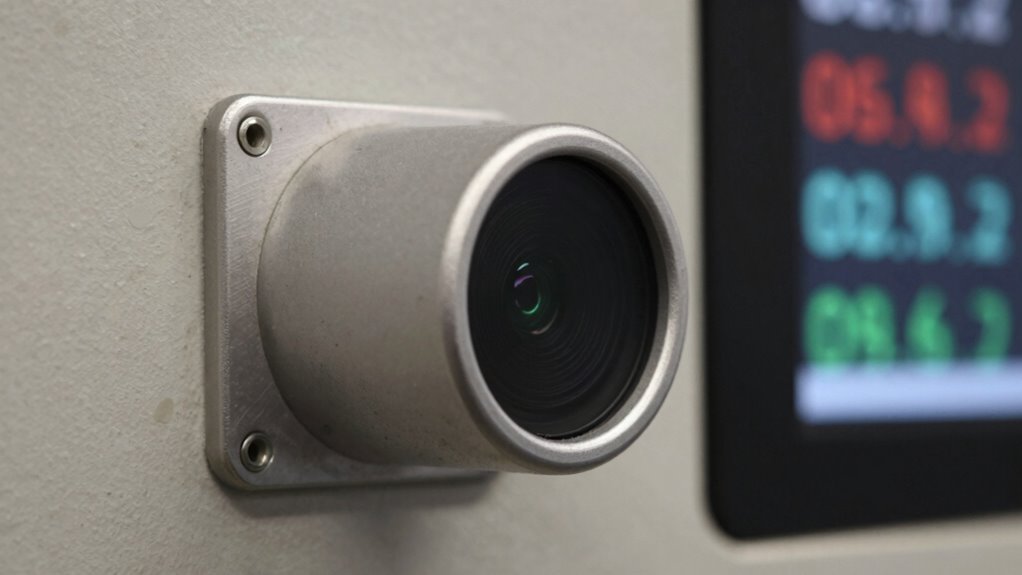
Have you ever wondered why sensor readings sometimes become inaccurate over time? One of the main reasons behind this phenomenon is sensor drift, a subtle but persistent issue that can throw off your measurements without you realizing it. As sensors age or encounter various conditions, their accuracy gradually diminishes, leading to readings that don’t quite match reality. This is where calibration challenges come into play. Over time, sensors need recalibration to maintain precision, but calibration isn’t always straightforward. It can be time-consuming, requiring specialized tools and procedures, and sometimes, even after calibration, sensors continue to drift. This ongoing challenge makes it difficult to rely solely on initial calibration, especially when precision is vital.
Environmental influences play a substantial role in sensor drift as well. Fluctuations in temperature, humidity, or exposure to dust and chemicals can alter a sensor’s behavior. For example, a temperature sensor exposed to extreme heat or cold may give readings that are off from the actual temperature, not because the sensor is faulty, but because environmental factors have affected its internal components. Similarly, sensors exposed to moisture or corrosive substances can experience degradation over time, further skewing their readings. These environmental influences can accelerate drift or cause unpredictable changes, making it even harder to maintain consistent accuracy.
You might notice that some sensors seem to work fine initially but start giving strange readings after a few months or even weeks. That’s often due to these environmental factors and the inherent calibration challenges that come with aging components. In many cases, sensors are designed with some tolerance for environmental conditions, but they can’t completely eliminate the effects. Without proper maintenance and regular recalibration, these influences can cause the sensor’s output to become unreliable. Recognizing sensor lifespan and how environmental factors impact it is crucial for maintaining measurement accuracy.
To combat sensor drift caused by environmental influences, you can implement routine calibration schedules, protect sensors from harsh conditions, or use sensors designed with built-in compensation features. However, even the best strategies can’t fully prevent drift, because environmental conditions are often unpredictable. Recognizing these challenges is essential if you want accurate, reliable measurements. Regular calibration, environmental control, and understanding how external factors impact your sensors will help you stay ahead of drift issues. Ultimately, staying vigilant and proactive ensures your sensor readings remain trustworthy, even as time and the environment try to throw you off course.

ADAS Radar Corner Reflector Kit with 0-30 Centimeter Scale Stand
- Universal Vehicle Compatibility: Fits Honda, Toyota, Kia, Ford
- ADAS Calibration Enhancement: Improves vehicle safety and performance
- Durable Aluminum Reflector: Maintains shape and calibration accuracy
As an affiliate, we earn on qualifying purchases.
As an affiliate, we earn on qualifying purchases.
Frequently Asked Questions
How Can I Prevent Sensor Drift From Occurring?
To prevent sensor drift, you should prioritize regular sensor maintenance and stick to calibration schedules. Keep your sensors clean, check connections, and replace worn components promptly. Calibrate your sensors at recommended intervals to guarantee accuracy, and document each calibration. By maintaining your sensors properly and following consistent calibration routines, you’ll minimize drift and keep your readings reliable over time.
What Are Early Signs of Sensor Drift?
You’ll notice early signs of sensor drift through inconsistent readings or values that don’t match expected results. Regular sensor calibration helps catch these issues early, and drift detection tools can alert you when readings start to deviate. Pay attention to sudden changes or gradual shifts in data, as these are often signs your sensor may need recalibration or maintenance to prevent inaccurate measurements.
Does Temperature Affect Sensor Drift Rates?
Think of temperature as the weather for your sensors; it can stir up trouble like a storm, affecting drift rates. When temperature stability wavers, environmental factors like heat swings or cold snaps make sensors act unpredictable, causing readings to drift more rapidly. Keeping the environment steady is like giving your sensors a calm sea to sail on, reducing drift and ensuring your measurements stay accurate over time.
How Often Should Sensors Be Recalibrated?
You should recalibrate your sensors regularly, typically every 6 to 12 months, depending on usage and environmental conditions. Follow a consistent calibration schedule and perform sensor maintenance as recommended by the manufacturer. Regular calibration ensures accurate readings and minimizes drift effects. Keep detailed records of each calibration to track sensor performance over time and address potential issues early, maintaining reliable data for your applications.
Can Software Fixes Correct Sensor Drift?
In the age of flying cars, software fixes can often correct sensor drift, but they’re not a silver bullet. You can use software calibration and drift correction algorithms to improve accuracy, yet these methods have limits. Over time, hardware wear and environmental factors still cause drift. So, while software can help manage minor issues, regular recalibration is essential for maintaining reliable readings and preventing inaccuracies from becoming a bigger problem.
Conclusion
Think of your sensor as a faithful compass, guiding you through complex data landscapes. Over time, its needle may wobble, subtly veering off course—symbolizing sensor drift. Just as a sailor trusts their compass to stay true, you need to recalibrate and monitor your sensors regularly. This silent drift, like a whisper in the wind, can lead you astray if ignored. Stay vigilant, and let your tools remain steadfast as your trusted navigators in the data seas.