
In April, indoor air feels dirtier because pollen, dust, and other allergens settle into your home despite cleaning efforts. Outdated HVAC filters and poor ventilation can circulate these irritants, making the air seem even dirtier. High humidity and activities like gardening release more particles indoors, while mold and VOCs add to the problem. If you want to understand how to improve your indoor air quality, keep exploring these surprising factors.

Get garden gear delivered free — and shop member deals
- Fast, free delivery on millions of items
- Access to Prime Big Deal Days deals on October 6–7
- Prime Video, Amazon Music and more included
Key Takeaways
- Spring outdoor pollen and allergens enter homes through open windows, increasing indoor pollutant levels.
- Seasonal dust and mold spores settle inside, worsening air quality despite cleaning efforts.
- HVAC filters often become clogged, reducing effectiveness in trapping airborne irritants during spring.
- Fluctuating temperatures and humidity promote mold growth and stir up settled dust and dirt.
- Increased indoor activities and outdoor pollen infiltration elevate microscopic irritants, making indoor air feel dirtier.
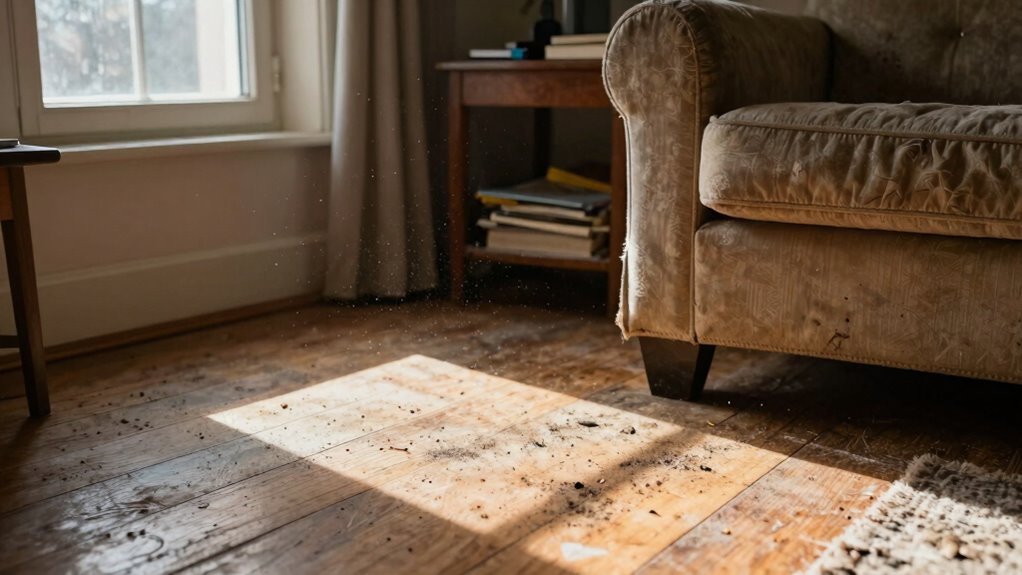
Many people assume that spring cleaning and warmer weather mean their homes are getting cleaner, but April air often feels more polluted indoors than you’d expect. This disconnect happens because, despite opening windows and scrubbing surfaces, the air inside your home can still harbor pollutants and irritants. Poor indoor air quality is a common culprit, especially during this season when pollen and other allergens are at their peak. You might notice dust settling on surfaces more quickly or feel more congested than usual—signs that your indoor air isn’t as fresh as it appears.
One reason for this is that seasonal allergies intensify during spring, making you more aware of airborne particles. Dust mites, mold spores, pet dander, and pollen find their way inside, floating around and settling into carpets, furniture, and curtains. These allergens worsen indoor air quality, even when you think you’ve cleaned thoroughly. Ventilation can sometimes make things worse if your home isn’t equipped with good air circulation or air filtration systems. Instead of clearing out indoor pollutants, opening windows without proper airflow can let in outdoor pollen and dust, compounding the problem.
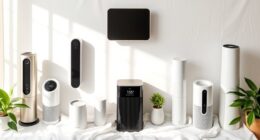
Your heating and cooling systems also play a role. If your HVAC filters are dirty or outdated, they won’t effectively trap airborne particles, allowing allergens and pollutants to circulate freely. This can leave your indoor environment feeling dirtier and more uncomfortable. Regularly changing filters and considering air purifiers with HEPA filters can considerably improve air quality and reduce allergen levels. It’s not just about visible dust; microscopic irritants can linger in the air, making you and your family feel stuffy, congested, or even more prone to respiratory issues. Ensuring proper air circulation throughout your home can also help disperse these particles more effectively. Additionally, maintaining proper humidity levels can prevent mold growth, which further impacts air quality.
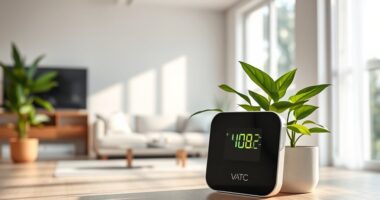
Furthermore, using air quality sensors can help you monitor and manage indoor pollutants more effectively, providing real-time feedback on your home’s air health. Spring’s fluctuating temperatures can also increase indoor pollutants. As you switch between heating and cooling, dust and dirt trapped in vents can be stirred up, adding to the indoor air pollution. Plus, indoor activities like cleaning, dusting, or even hobbies such as gardening indoors can release particles into the air, which may seem insignificant but add up over time. This is why despite your best efforts, the indoor air might still feel dirtier than expected during April. Interestingly, building materials can also emit volatile organic compounds (VOCs), contributing further to indoor pollution.
In essence, the combination of outdoor pollen, indoor allergens, and compromised air quality creates a scenario where your home feels dirtier even as you clean. To combat this, you need to focus not just on surface cleanliness but also on improving the quality of the air you breathe. Using air purifiers, maintaining HVAC systems, and controlling humidity levels can help guarantee your indoor environment feels fresher and healthier, even during the pollen-heavy months of spring. Incorporating proper ventilation and air filtration strategies can make a significant difference in reducing indoor pollutants and allergens. Regularly monitoring indoor humidity can also help prevent mold growth, which further impacts air quality.
As an affiliate, we earn on qualifying purchases.
Frequently Asked Questions
Can April Air Improve Indoor Air Quality Quickly?
Yes, April Air can improve indoor air quality quickly through effective air purification and pollutant removal. Their systems are designed to filter out dust, allergens, and other airborne contaminants rapidly. When you install or use April Air products, you’ll notice cleaner air in a short time, making your space healthier and more comfortable. Regular maintenance and proper usage maximize these benefits, ensuring your indoor environment stays fresh and pollutant-free.
What Specific Pollutants Does April Air Target?
Did you know that April Air’s air purification system targets over 99% of common indoor pollutants? It specifically removes allergens like pollen, pet dander, mold spores, and dust mites, along with volatile organic compounds (VOCs) from cleaning products and smoke particles. This pollutant removal helps improve indoor air quality quickly, creating a healthier environment. With April Air, you’re actively reducing harmful contaminants that often go unnoticed but impact your comfort and health.
Is April Air Safe for Allergy Sufferers?
Yes, April Air is generally safe for allergy sufferers. To maximize its benefits, you should regularly perform air purifier maintenance and replace filters as recommended. This guarantees ideal allergen filtration efficiency, removing dust, pollen, pet dander, and other irritants effectively. Proper maintenance not only keeps the air clean but also helps prevent potential issues, making it a reliable choice for allergy sufferers seeking cleaner indoor air.
How Often Should I Use April Air Systems?
They say, “An ounce of prevention is worth a pound of cure,” and that’s true with your April Air system. You should run it regularly, ideally daily, to maintain air quality. Focus on proper air filtration and make certain to replace filters as recommended—typically every 3 to 6 months. Consistent use and timely filter replacement guarantee peak performance, keeping your indoor air clean and healthy.
Does April Air Help With Indoor Humidity Control?
Yes, April Air helps with indoor humidity control by improving air circulation and maintaining a humidity balance. Their systems are designed to regulate moisture levels, preventing excess humidity that can cause discomfort or mold growth. By enhancing air circulation, April Air guarantees your indoor environment stays comfortable and balanced, reducing the chances of feeling stuffy or damp. This way, you enjoy cleaner, healthier indoor air with ideal humidity levels.
Conclusion
So next time you notice April air sneaking inside, ask yourself—are you really cleaning enough to keep the dirt at bay? The truth is, indoor air can feel dirtier than it is, especially during this season of renewal. Don’t let unseen particles steal your peace. Isn’t it time you took control of your environment and made your home a true sanctuary? After all, feeling fresh isn’t just about air outside—it’s about what you breathe in every day.
Fall Picks
fall essentials
As an affiliate, we earn on qualifying purchases.