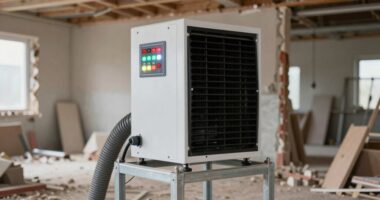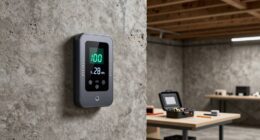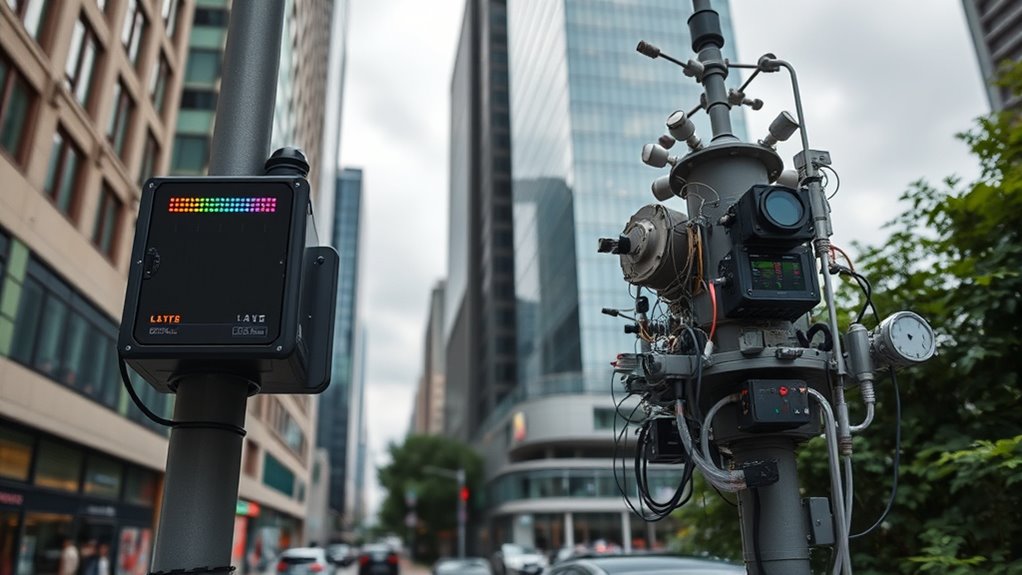

Real-time sampling uses sensors to provide immediate air quality data, capturing short-term fluctuations and pollution episodes. Integrated sampling collects pollutants over hours or days, offering precise long-term trend information through laboratory analysis. While real-time methods help quickly identify pollution spikes, integrated sampling guarantees accuracy and regulatory compliance over extended periods. Understanding these differences improves how you interpret air quality data—if you’re curious, there’s more to explore about how each method enhances air quality assessments.

Get garden gear delivered free — and shop member deals
- Fast, free delivery on millions of items
- Access to Prime Big Deal Days deals on October 6–7
- Prime Video, Amazon Music and more included
Key Takeaways
- Real-time sampling provides immediate pollutant data, capturing short-term fluctuations, while integrated sampling offers long-term pollutant trends over hours or days.
- Sensors in real-time systems require ongoing calibration for accuracy, whereas laboratory calibration ensures reliability in integrated sampling methods.
- Real-time sampling enables quick alerts and responses to pollution episodes, unlike integrated sampling, which is used for detailed, long-term assessments.
- Integrated sampling typically involves laboratory analysis of collected samples, providing higher accuracy but with delayed results compared to real-time data.
- Both methods complement each other, offering a comprehensive understanding of air quality through immediate detection and long-term trend analysis.
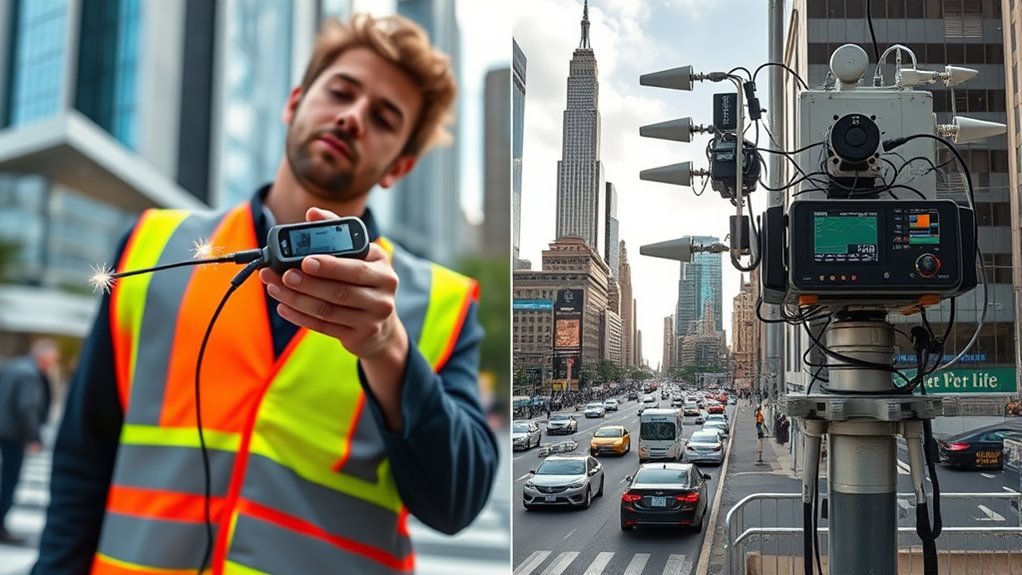
Have you ever wondered how scientists accurately measure air quality? It’s a complex process that relies on different sampling methods, mainly real-time and integrated sampling. Both approaches serve unique purposes, but understanding their differences helps you appreciate how data is gathered and interpreted. When using real-time sampling, sensors continuously monitor air pollutants, providing immediate data that captures fluctuations throughout the day. These sensors, however, need regular calibration—known as sensor calibration—to guarantee their readings stay accurate over time. Without proper calibration, sensors can drift, leading to unreliable data. This calibration involves comparing the sensor’s output against known standards and adjusting it accordingly, which is essential because even small inaccuracies can skew pollution assessments. Meanwhile, data integration becomes indispensable in real-time systems, as it combines continuous streams of information from multiple sensors to create a complete picture of air quality over time. This process helps identify patterns, peak pollution times, and sources, giving you a dynamic view of environmental conditions.
In contrast, integrated sampling gathers air pollutants over longer periods—hours, days, or even weeks—using devices like filter-based samplers or canisters. These samples are then analyzed in laboratories to determine pollutant concentrations. Because the data is collected over extended intervals, it doesn’t offer the immediate insight that real-time methods do but provides high-accuracy measurements essential for regulatory compliance and detailed studies. When dealing with integrated samples, calibration remains important, particularly for laboratory instruments, to guarantee the measurements reflect true pollutant levels. The advantage here is that the data is often more precise, but it lacks the immediacy needed to respond to sudden pollution spikes or short-term events.
Choosing between real-time and integrated sampling depends on your specific needs. If you require instant alerts for pollution episodes or daily monitoring, real-time systems with properly calibrated sensors and effective data integration are your best option. They allow quick decision-making and immediate public health responses. Conversely, if your goal is to understand long-term trends or verify compliance with air quality standards, integrated sampling provides the detailed data you need, even if it doesn’t offer real-time insights. Both methods complement each other in creating a complete picture of air quality. Ultimately, maintaining sensor calibration and ensuring proper data integration are essential across methods, as they directly influence the accuracy and reliability of your measurements. Understanding these nuances helps you better interpret air quality data and make informed decisions about environmental health.
Frequently Asked Questions
How Do Sampling Methods Impact Long-Term Air Quality Monitoring?
Sampling methods profoundly impact your long-term air quality monitoring. Higher sampling frequency provides more detailed data, capturing fluctuations and trends over time. This improves data resolution, helping you identify pollution patterns accurately. Conversely, less frequent sampling might miss short-term events but offers broader overviews. Choosing the right method guarantees you gather precise, actionable insights for effective air quality management, making your monitoring efforts more dependable and thorough.
What Are the Cost Differences Between Real-Time and Integrated Sampling?
You’ll find that real-time sampling generally has higher equipment expenses, making the initial cost comparison steeper. It requires advanced instruments capable of continuous data collection, which tend to be pricier. In contrast, integrated sampling involves simpler, less costly equipment since it collects samples over time for later analysis. While integrated methods might save money upfront, consider ongoing labor and analysis costs, which can add up over the long term.
Can These Methods Detect All Types of Air Pollutants Effectively?
You can’t rely on either method to detect all pollutants effectively, as each has limitations in pollutant diversity and detection limits. Real-time sampling excels at capturing transient events and a wide range of pollutants quickly, but may struggle with low concentrations. Integrated sampling provides better detection limits for some pollutants over time but might miss short-term variations. Combining both methods offers a more extensive air quality assessment.
How Do Weather Conditions Influence Sampling Accuracy?
Weather variability can subtly sway your sampling precision, like shifting winds guiding a gentle boat. Sudden changes in humidity, temperature, or wind speed may cause particles to disperse unevenly or condense, impacting the accuracy of your measurements. These atmospheric quirks can introduce discrepancies, making it harder to get a true picture of air quality. To guarantee reliable results, consider weather patterns and plan sampling times when conditions are more stable.
Are There Safety Concerns Associated With Each Sampling Method?
You should be aware that both sampling methods pose safety concerns related to personal exposure and sampling hazards. With real-time sampling, you might face risks from handling equipment in hazardous environments, increasing personal exposure to pollutants. Integrated sampling involves collecting samples over time, which can lead to hazards if the sampling media or chemicals are toxic or if proper handling procedures aren’t followed. Always take proper safety precautions regardless of the method.
Conclusion
So, whether you prefer the instant gratification of real-time sampling or the slow, steady pace of integrated methods, just remember—air quality data is really just a fancy way to say, “We’re watching you breathe.” Pick your method, but don’t be surprised if your air quality report ends up as dramatic as a soap opera. After all, in the world of pollutants, everyone’s a star—especially the ones you can’t see.
Fall yard work Picks
leaf blowers
As an affiliate, we earn on qualifying purchases.