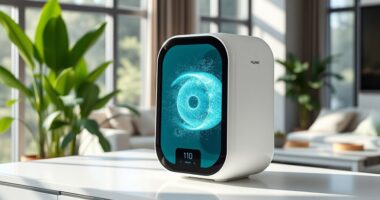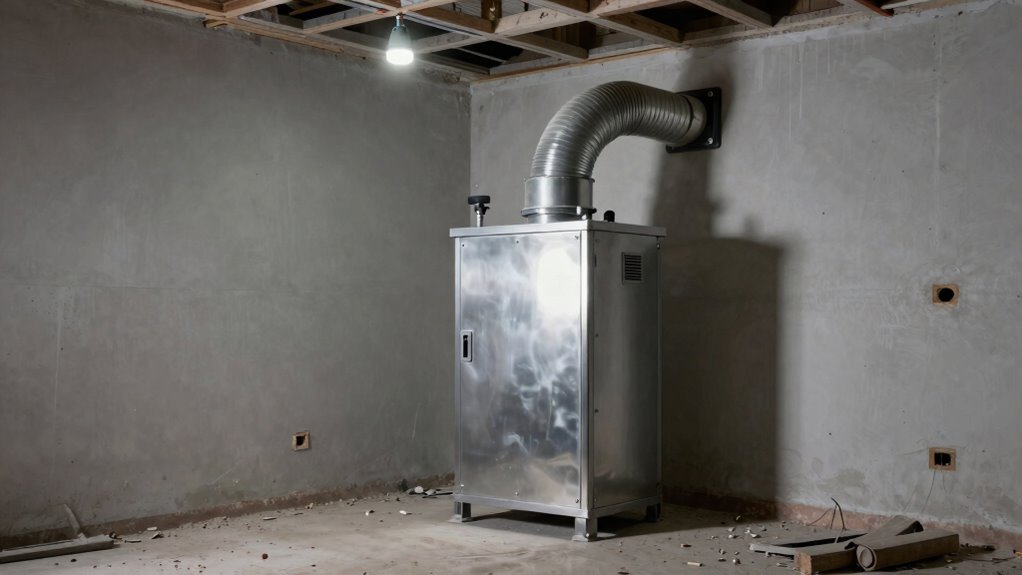

Air scrubbers offer only temporary relief because they filter out pollutants like dust, mold spores, and pet dander, but they don’t address the underlying sources of indoor air quality problems. Without fixing issues like mold growth, poor ventilation, or ongoing pollution, these devices will only provide short-term improvements. To truly improve your home’s air quality, you need to control pollution sources and maintain your environment. Keep exploring to discover more effective long-term strategies.

Get garden gear delivered free — and shop member deals
- Fast, free delivery on millions of items
- Access to Prime Big Deal Days deals on October 6–7
- Prime Video, Amazon Music and more included
Key Takeaways
- Air scrubbers only remove airborne particles temporarily and do not eliminate the sources of pollution.
- They require regular maintenance to sustain their limited effectiveness over time.
- Permanent solutions involve controlling pollution sources, such as mold, pet dander, and humidity.
- Combining air scrubbers with ventilation and home maintenance offers a more comprehensive air quality strategy.
- Relying solely on air scrubbers ignores the need for addressing underlying environmental issues.
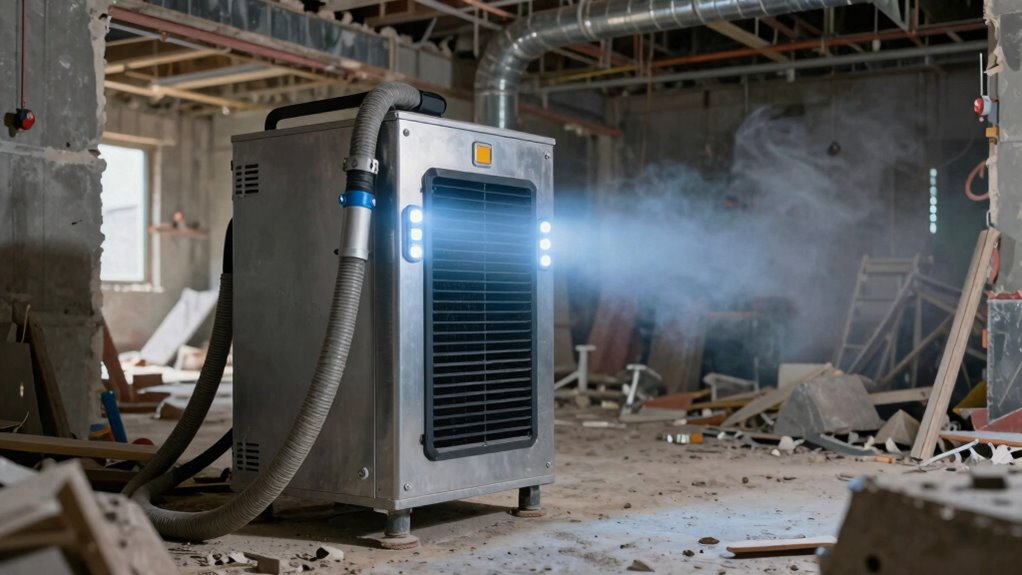
Air scrubbers can effectively reduce airborne contaminants in the short term, but they aren’t a permanent fix for indoor air quality issues. When you rely on them, you’re addressing a symptom rather than the root cause of poor air quality. While they can improve the air temporarily—removing dust, mold spores, pet dander, and other pollutants—they aren’t designed to be a long-term solution. Your home’s indoor air quality depends heavily on factors beyond just filtering the air, including ventilation, moisture levels, and the presence of ongoing sources of pollution.
Many people mistakenly believe that installing an air scrubber alone will solve their indoor air problems permanently. That’s not the case. You need to think of air scrubbers as part of a broader strategy, not the entire approach. Proper equipment maintenance is essential if you want them to perform effectively. Filters need regular replacement or cleaning, and the devices should be inspected periodically to verify they’re functioning properly. Over time, neglecting maintenance can cause the equipment to become less efficient, which defeats the purpose of having it in the first place.
Even with diligent equipment maintenance, air scrubbers only address airborne particles temporarily. They don’t eliminate the sources of pollution, like mold growth, pet dander, or cooking fumes. If you don’t control these ongoing issues, the contaminants will just keep getting circulated back into the indoor environment. To truly improve indoor air quality, you need to combine air scrubbers with other measures—such as controlling humidity levels, increasing ventilation, and reducing pollutant sources. Additionally, understanding the importance of indoor air quality factors can help you develop a more effective strategy. Recognizing sources of indoor pollution is crucial for tackling the root causes of air quality issues.
It’s also important to understand that air scrubbers aren’t a substitute for proper home upkeep. Regular cleaning, fixing leaks, and ensuring your HVAC system is working efficiently make a big difference. If your home has persistent problems like mold or inadequate ventilation, an air scrubber might temporarily help, but it won’t solve those underlying problems. You’ll need a broad plan that includes addressing these issues directly. Moreover, considering indoor environmental conditions can guide you toward more comprehensive solutions. Additionally, addressing building envelope integrity can prevent external pollutants from entering your home and worsening air quality.
Furthermore, integrating air quality management practices ensures a more sustainable approach to maintaining healthy indoor air. In the end, using air scrubbers effectively means viewing them as part of an ongoing maintenance routine. They can improve indoor air quality temporarily, but they won’t do the job alone. Consistent equipment maintenance, addressing pollution sources, and making your home less hospitable to airborne contaminants are the real keys to achieving cleaner, healthier air in the long run.
air scrubber replacement filters
As an affiliate, we earn on qualifying purchases.
As an affiliate, we earn on qualifying purchases.
Frequently Asked Questions
Can Air Scrubbers Eliminate All Indoor Pollutants Permanently?
Air scrubbers can’t eliminate all indoor pollutants permanently because of their limitations. They effectively reduce airborne contaminants temporarily, but they don’t address the root causes like mold, leaks, or ongoing emissions. For permanent solutions, you need to fix underlying issues and improve ventilation. Relying solely on air scrubbers might make your home feel cleaner temporarily, but they’re not a substitute for all-encompassing, long-term strategies to maintain indoor air quality.
How Often Should Air Scrubbers Be Replaced or Serviced?
You should replace filters and perform maintenance on your air scrubber every 3 to 6 months, depending on usage and air quality. Follow the manufacturer’s maintenance schedule closely to guarantee peak performance. Regular filter replacement prevents buildup of pollutants and keeps the device functioning efficiently. If you notice reduced airflow or strange noises, it’s a sign you might need to service or replace filters sooner.
Are Air Scrubbers Effective Against Mold or Asbestos?
Think of air scrubbers as a temporary shield in your home’s battle against airborne dangers. They’re effective for mold and asbestos removal, capturing microscopic particles and improving air quality. While they don’t guarantee complete eradication, their effectiveness lies in reducing harmful contaminants during remediation. Use them as part of a broader strategy, knowing they’re a temporary ally, not a permanent fix for persistent mold or asbestos issues.
Do Air Scrubbers Improve Overall Indoor Air Quality Long-Term?
Air scrubbers can improve your indoor air quality temporarily, but they aren’t long-term solutions. Many air quality misconceptions lead people to believe these devices alone can manage ongoing issues. While scrubbers remove pollutants effectively in the short term, addressing root causes like humidity or mold requires thorough strategies. For lasting improvement, you should combine air scrubbers with other long-term solutions, such as proper ventilation and moisture control, to truly enhance your home’s air quality.
What Are the Costs Associated With Continuous Use of Air Scrubbers?
Like a dependable knight, your air scrubber requires ongoing support. The cost implications of continuous use include electricity bills and filter replacements, which can add up over time. You’ll need to take into account maintenance frequency, as filters must be changed regularly to keep it effective. While it’s a helpful shield against pollutants, staying aware of these costs ensures you’re prepared for the long haul without surprises.
Conclusion
So, next time you consider an air scrubber for your home, remember—it’s a temporary fix, not a permanent solution. While it can improve your air quality quickly, it doesn’t address the root causes. What could be lurking behind the scenes, waiting to reappear? Stay vigilant and keep digging deeper. Sometimes, the real answer isn’t what’s immediately visible. Are you ready to uncover what’s truly affecting your home’s air? The truth might surprise you.
Fall yard work Picks
leaf blowers
As an affiliate, we earn on qualifying purchases.