By monitoring humidity data, you can spot subtle increases in moisture levels before mold begins to grow. Sensors provide real-time information, helping you identify trends over days or weeks that signal potential trouble. When humidity exceeds 60%, especially in poorly ventilated spaces, mold spores can settle and thrive. Keeping an eye on these patterns allows you to take early action, preventing costly mold issues—and if you want to know more about these strategies, keep exploring.
Key Takeaways
- Rising humidity levels above 60% signal increased risk of mold growth.
- Continuous data reveals patterns indicating prolonged moisture retention.
- Sudden or gradual humidity increases can identify leaks or insulation issues early.
- Detecting consistent humidity fluctuations helps anticipate mold-prone conditions.
- Early warning of humidity spikes allows timely interventions to prevent mold development.
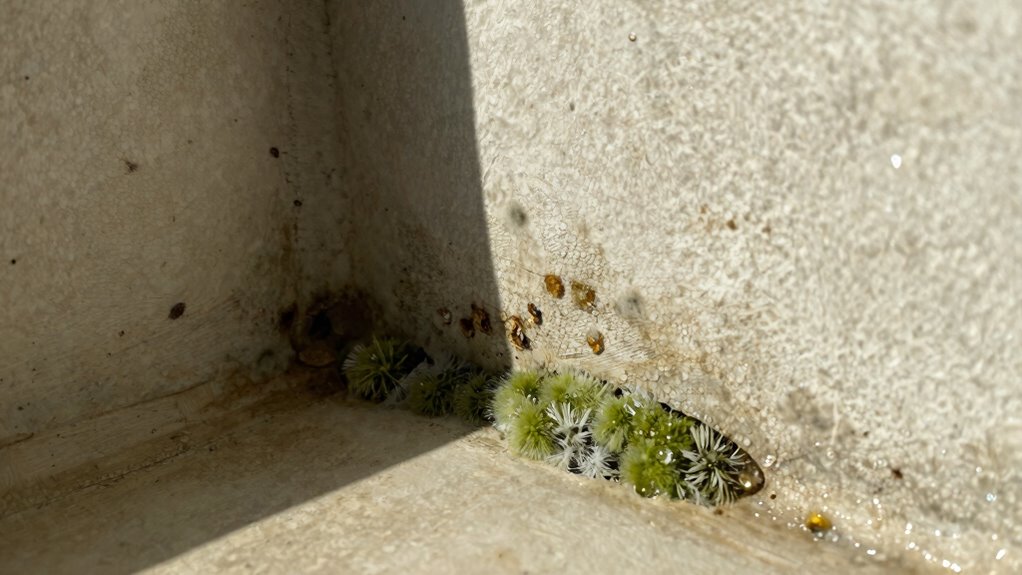
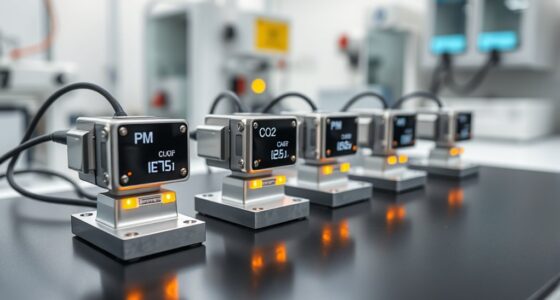
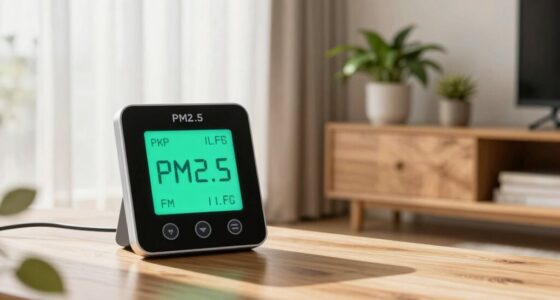
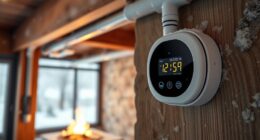
Humidity levels play a crucial role in mold growth, making it essential to monitor and analyze this data carefully. When you keep a close eye on indoor humidity, you can identify early signs that mold might become an issue. Modern moisture sensors are invaluable tools in this effort, as they provide real-time data about the moisture content in your environment. These sensors help you maintain an ideal indoor climate, preventing conditions that favor mold development. By integrating moisture sensors into your home or workspace, you gain a clearer picture of how humidity fluctuates throughout the day, across different rooms, and in response to environmental changes.
Monitoring indoor humidity with moisture sensors helps prevent mold by providing real-time environmental insights.
Understanding the indoor climate is key to predicting mold trouble. Mold thrives when humidity exceeds 60%, especially if the moisture remains trapped in poorly ventilated areas. With consistent data from moisture sensors, you can detect subtle increases in humidity that might not be obvious otherwise. For instance, a rising trend in moisture levels over several days could signal a leak, poor insulation, or inadequate ventilation. Addressing these issues early can prevent mold spores from settling and spreading. The data collected from moisture sensors also helps you make informed decisions about dehumidification or improving airflow, creating a less hospitable environment for mold. Recognizing the relationship between humidity and mold growth is essential for effective prevention.
Monitoring humidity data isn’t just about reacting to problems; it’s about proactive prevention. When you analyze this data regularly, you become more aware of seasonal or daily patterns that influence your indoor climate. For example, during colder months, indoor humidity can increase due to heating and condensation, raising the risk of mold if not managed properly. By adjusting your ventilation or using dehumidifiers based on sensor readings, you keep humidity levels in check before mold can take hold. This proactive approach saves you money and effort in the long run, avoiding costly mold remediation and protecting your health. Additionally, understanding the impact of environmental factors on humidity levels enhances your ability to anticipate potential issues.
In essence, the key to early mold prediction lies in consistent, precise humidity monitoring. Moisture sensors empower you to track your indoor climate with accuracy, giving you the tools to act swiftly if conditions become favorable for mold growth. When you understand the relationship between humidity data and mold development, you can create a healthier, safer environment. Recognizing the importance of indoor air quality and implementing proper ventilation strategies enhances your ability to prevent mold problems before they start, ensuring your space remains comfortable and mold-free.

TempPro TP50 Digital Hygrometer Indoor Thermometer Room Thermometer and Humidity Gauge with Temperature Humidity Monitor(Previously ThermoPro)
- Wellness Indicator: Displays air condition levels
- High Accuracy & Fast Updates: Measures with ±2-3%RH and ±1°F, updates every 10 seconds
- High & Low Records: Tracks and displays temperature and humidity extremes
As an affiliate, we earn on qualifying purchases.
As an affiliate, we earn on qualifying purchases.
Frequently Asked Questions
Can Humidity Levels Vary Indoors Without Affecting Mold Growth?
Yes, humidity levels can vary indoors without immediately affecting mold growth, especially if indoor air quality is well-maintained and ventilation is effective. Even with fluctuations, proper ventilation helps control moisture, preventing mold spores from settling and growing. Monitoring humidity data allows you to identify when indoor humidity is outside ideal ranges, ensuring your ventilation effectiveness keeps mold at bay and maintains a healthy indoor environment.
How Often Should Humidity Data Be Monitored for Early Mold Detection?
Think of humidity sensors as your home’s heartbeat, alerting you before trouble strikes. You should monitor humidity data daily, especially in high-risk areas like bathrooms and basements. Regular data analysis helps you spot subtle changes that signal mold growth. By keeping a close eye, you catch potential issues early, saving your home and health. Consistent monitoring guarantees mold trouble stays at bay before it becomes a big problem.
Are There Specific Humidity Thresholds That Indicate Imminent Mold Problems?
Yes, there are specific humidity thresholds that indicate imminent mold problems. Generally, when indoor humidity exceeds 60%, it increases moisture thresholds, elevating mold risk. Mold thrives in environments with moisture levels between 70-80%. By monitoring humidity levels and keeping them below 60%, you can substantially reduce mold risk. Regularly tracking these moisture thresholds helps you catch potential issues early and maintain a healthier indoor environment.
What Are the Best Tools for Measuring Indoor Humidity Accurately?
You need accurate indoor humidity measurements, and the best tools are digital hygrometers with built-in sensors. To guarantee precision, regularly calibrate your sensors and use models that support data logging. This way, you can track fluctuations over time, revealing patterns that might signal mold risk. Stay vigilant—precise readings make all the difference in catching trouble early before it spreads.
Can Humidity Data Predict Mold Issues in Outdoor Environments?
Yes, humidity data can help predict outdoor mold issues by monitoring outdoor airflow and temperature fluctuations. When outdoor humidity stays high, combined with poor airflow and significant temperature shifts, mold spores thrive and spread more easily. By tracking these variables, you can identify conditions conducive to mold growth early, allowing you to take preventive measures like improving ventilation or adjusting outdoor activities to reduce mold development risk.
Conclusion
By monitoring humidity levels consistently, you can catch mold problems before they become visible or cause health issues. Isn’t it smarter to prevent damage rather than fix it later? Using humidity data isn’t just about comfort; it’s a proactive step to protect your home and well-being. Keep an eye on those numbers, and you’ll stay one step ahead of mold trouble, ensuring a healthier, safer living environment for you and your loved ones.