In newer homes, VOCs from fresh paint, furniture, and materials can linger for months or even years, creating ongoing indoor air quality problems. Since these homes are often tightly sealed to save energy, pollutants get trapped inside instead of dissipating. You might notice chemical smells or fatigue, which are signs of indoor pollution. Understanding how building materials off-gas helps you take steps to improve your air quality and keep your home healthier over time.

Get garden gear delivered free with Prime
- Fast, free delivery on millions of items
- Prime Video, Amazon Music and more included
- Member-only deals all year
Key Takeaways
- VOC emissions from building materials can persist for months or years, causing ongoing indoor air quality issues.
- Tightly sealed, energy-efficient homes trap VOCs, preventing their dissipation and prolonging off-gassing.
- New furnishings, flooring, and paints release chemicals gradually over time, leading to a slow, continuous VOC release.
- Proper ventilation and air exchange are crucial to reduce the prolonged buildup of indoor VOCs.
- Choosing low-VOC or VOC-free materials helps minimize long-term chemical emissions in new homes.
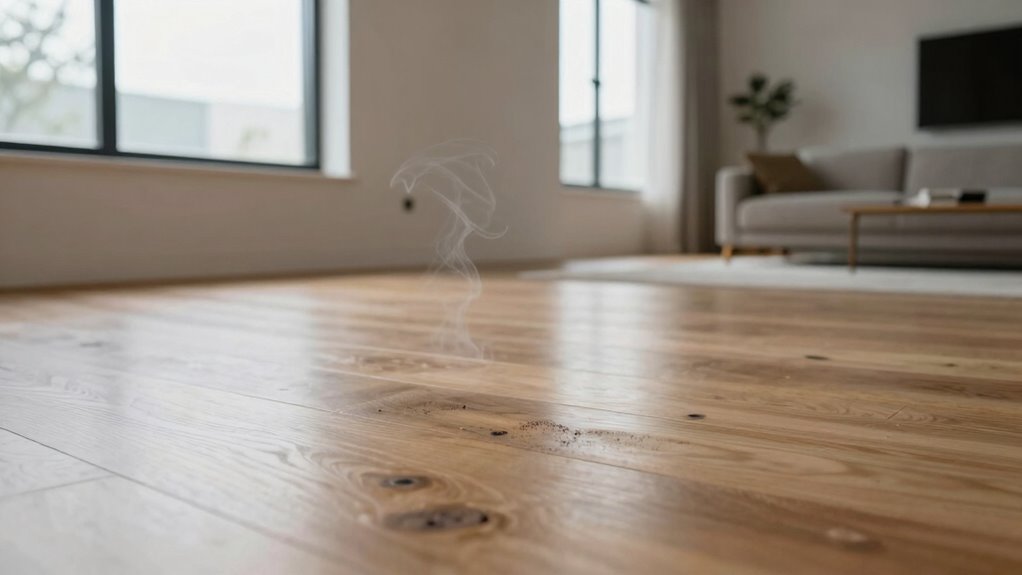
Many newer homes seem fresh and modern, but they can also trap volatile organic compounds (VOCs) inside, leading to a slow but persistent indoor air quality problem. As you settle into your new space, you might notice a lingering chemical smell, or perhaps you feel a bit more tired than usual. That’s often due to building material emissions—the VOCs released from fresh paint, new furniture, flooring, and other construction materials. These emissions can linger for months or even years, gradually affecting the air you breathe.
Your indoor air quality is directly impacted by these emissions, especially in tightly sealed, energy-efficient homes designed to conserve heat and air conditioning. While this makes your home more energy-efficient, it also traps pollutants inside, preventing them from dissipating. As a result, the air can become laden with harmful chemicals that originate from the very materials meant to make your home comfortable and stylish.
You might not realize it, but many building materials emit VOCs as they off-gas over time. For example, pressed wood products, adhesives, sealants, and finishes release chemicals that can cause respiratory irritation, headaches, or longer-term health issues. The emissions are often most intense right after installation, but they don’t vanish overnight. Instead, they slowly seep into your indoor air, creating a persistent source of indoor pollution that you might not notice immediately but can impact your health over time.
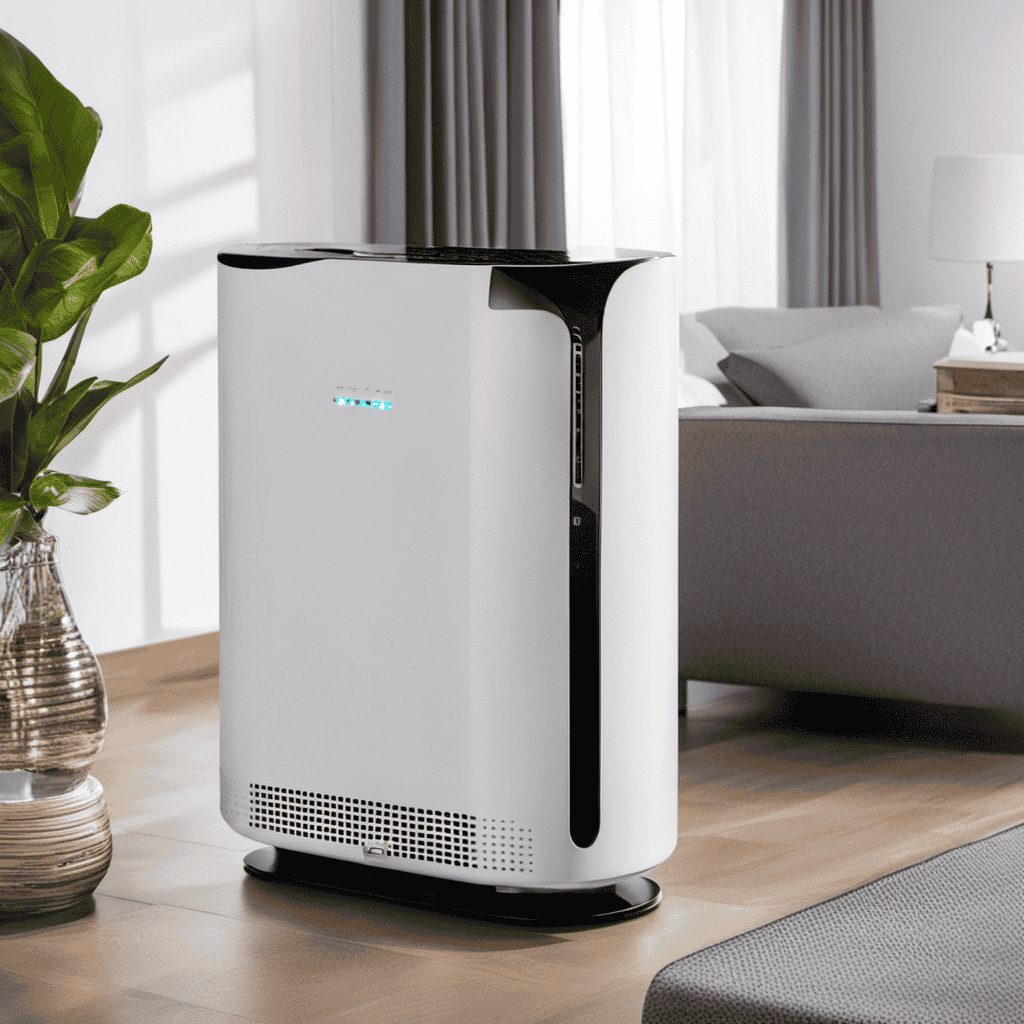
To improve your indoor air quality, you should be aware of these emissions and take steps to reduce exposure. Ventilation plays a key role—opening windows regularly helps dilute indoor pollutants. Using air purifiers equipped with activated carbon filters can also trap VOCs and improve air quality. When choosing new furnishings or building materials, look for low-emission or VOC-free options. Many products are now labeled as low-VOC or no-VOC, which means they release fewer harmful chemicals into your home environment.
It’s also helpful to give new items time to off-gas before bringing them into your living space. For instance, airing out furniture or flooring in a garage or well-ventilated area before installation can notably reduce initial VOC levels. Additionally, understanding building material emissions can help you make more informed choices to minimize indoor pollution. Being aware of the off-gassing process can further assist you in planning effective strategies for better indoor air quality. Furthermore, choosing VOC-free products can significantly decrease the amount of harmful chemicals released indoors over time. Recognizing the importance of proper ventilation and air exchange is crucial for maintaining healthier indoor environments. Over time, as the building materials settle and off-gas diminishes, your indoor air quality can improve, but staying proactive with proper ventilation and material choices will ensure you’re breathing cleaner air for the long haul.
low VOC air purifier with activated carbon filter
As an affiliate, we earn on qualifying purchases.
As an affiliate, we earn on qualifying purchases.
Frequently Asked Questions
How Long Does It Typically Take for VOC Levels to Decrease?
VOC levels in your home usually decrease within a few days to a few weeks, depending on your indoor air quality and ventilation strategies. To speed up the process, increase ventilation by opening windows, use exhaust fans, or run air purifiers with activated carbon filters. Consistent air exchange helps remove VOCs more quickly, improving your home’s air quality and making it safer and more comfortable for you and your family.
Are There Specific Building Materials That Emit More VOCS?
Certain building materials act like silent troublemakers, releasing more VOCs and clouding your indoor air quality. Items like pressed wood products, vinyl flooring, and some paints are notorious for higher emissions. Think of them as sponges soaking up and then slowly releasing VOCs over time. To breathe easier, opt for low-emission, natural materials that let your home breathe freely, turning it into a sanctuary of fresh air.
Can HVAC Systems Help Reduce VOC Concentrations Quickly?
Yes, your HVAC system can help reduce VOC concentrations quickly through effective air purification and ventilation strategies. Using high-efficiency filters, such as HEPA or activated carbon, improves air quality by capturing VOCs. Incorporating proper ventilation, like exhaust fans or increased airflow, helps dilute indoor pollutants rapidly. Regularly maintaining your HVAC system guarantees these strategies work effectively, creating a healthier indoor environment by swiftly lowering VOC levels.
Is There a Way to Test VOC Levels at Home Easily?
You can test VOC levels at home easily with DIY testing kits designed for indoor air quality. These kits typically include simple color-changing strips or sensors that detect VOC concentrations. You just collect a sample or expose the device to your indoor air, then compare the results to the provided chart. This way, you get a quick idea of your home’s VOC levels, helping you identify if ventilation or other measures are needed.
Do Newer Homes Always Have Higher VOC Levels Than Older Homes?
Newer homes often have higher VOC levels than older ones, but it’s not a certainty. Imagine indoor plants and air purifiers working together like a lush oasis, filtering out harmful chemicals. You can lower VOCs by adding plants that absorb toxins and using air purifiers with activated carbon filters. While newer homes may trap more VOCs initially, proactive steps help keep your indoor air fresh and healthy.
Conclusion
Understanding the slow VOC problem in newer homes helps you recognize the importance of proper ventilation and material choices. Did you know that some VOC levels in modern homes can be up to 10 times higher than outdoor air? By staying informed and taking proactive steps, you can improve your indoor air quality and create a healthier living environment. Addressing this issue now guarantees your home remains safe and comfortable for years to come.
Fall Picks
fall essentials
As an affiliate, we earn on qualifying purchases.